


Die medizinische fakultät der universität Wien im mittelalter
Authors
More about the book
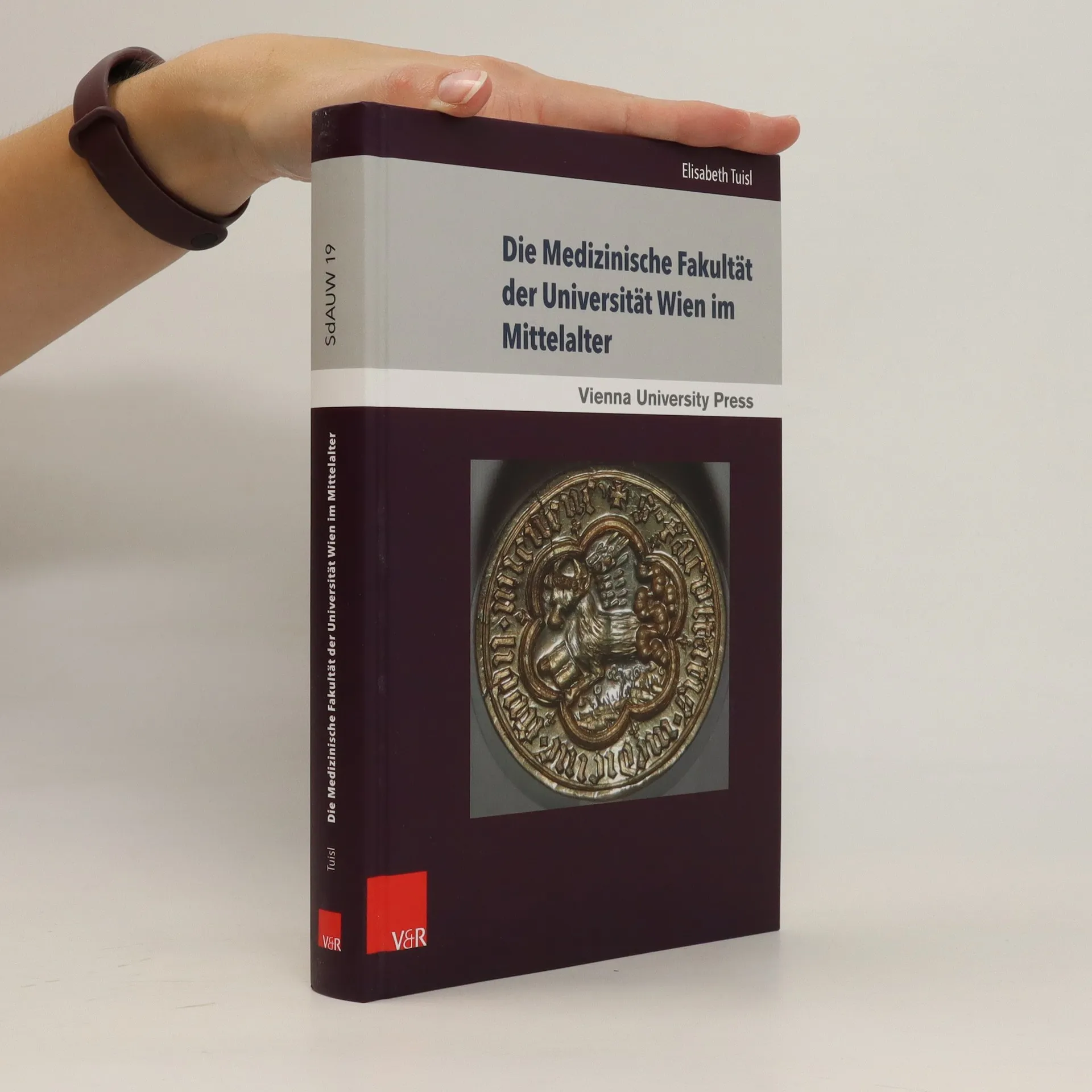
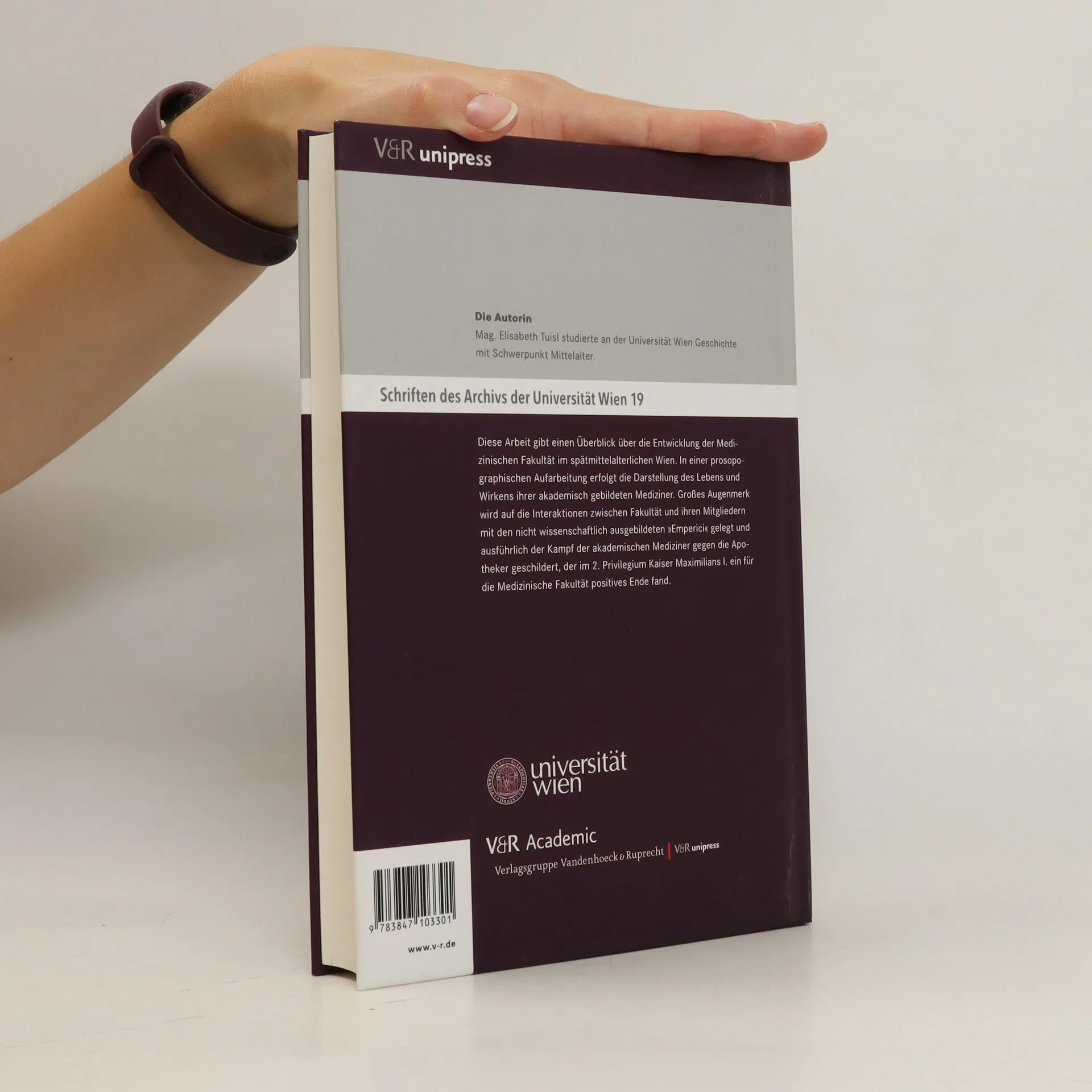
The aim of the present work is – based on intensive, fundamental sources and literature studies – to represent an overall look at the work of the faculty and its members in the urban environment of the late medieval Vienna. This will be discussed with the individual groups of the Viennese population, as well as the diversity of interactions between faculty and its members, as on the painful path to enforce the academic medical science over the non scientifically trained, but very popular people called the “Emperici”. Similarly, the over a hundred-year struggle of academic physicians is described against the pharmacists, who eventually found a positive end for the medical faculty in 1517 by the second privilege of the Emperor Maximilian I. The focus of the present study forms a prosopographical work up of the life and work of the doctors of the medical faculty in Vienna. For future research, it should now be possible to identify the academic mobility of physicians and the structure of relationships between European universities in the late Middle Ages in more detail because of this biographical material.
Book purchase
Die medizinische fakultät der universität Wien im mittelalter, Elisabeth Tuisl
- Language

- Released
- 2014
- Binding
- (Hardcover)
Payment methods
No one has rated yet.
- Title
- Die medizinische fakultät der universität Wien im mittelalter
- Language
- German
- Authors
- Elisabeth Tuisl
- Publisher
- V & R Unipress GmbH
- Released
- 2014
- Format
- Hardcover
- Pages
- 366
- ISBN13
- 9783847103301
- Series
- Categories
- Description
- The aim of the present work is – based on intensive, fundamental sources and literature studies – to represent an overall look at the work of the faculty and its members in the urban environment of the late medieval Vienna. This will be discussed with the individual groups of the Viennese population, as well as the diversity of interactions between faculty and its members, as on the painful path to enforce the academic medical science over the non scientifically trained, but very popular people called the “Emperici”. Similarly, the over a hundred-year struggle of academic physicians is described against the pharmacists, who eventually found a positive end for the medical faculty in 1517 by the second privilege of the Emperor Maximilian I. The focus of the present study forms a prosopographical work up of the life and work of the doctors of the medical faculty in Vienna. For future research, it should now be possible to identify the academic mobility of physicians and the structure of relationships between European universities in the late Middle Ages in more detail because of this biographical material.