



More about the book
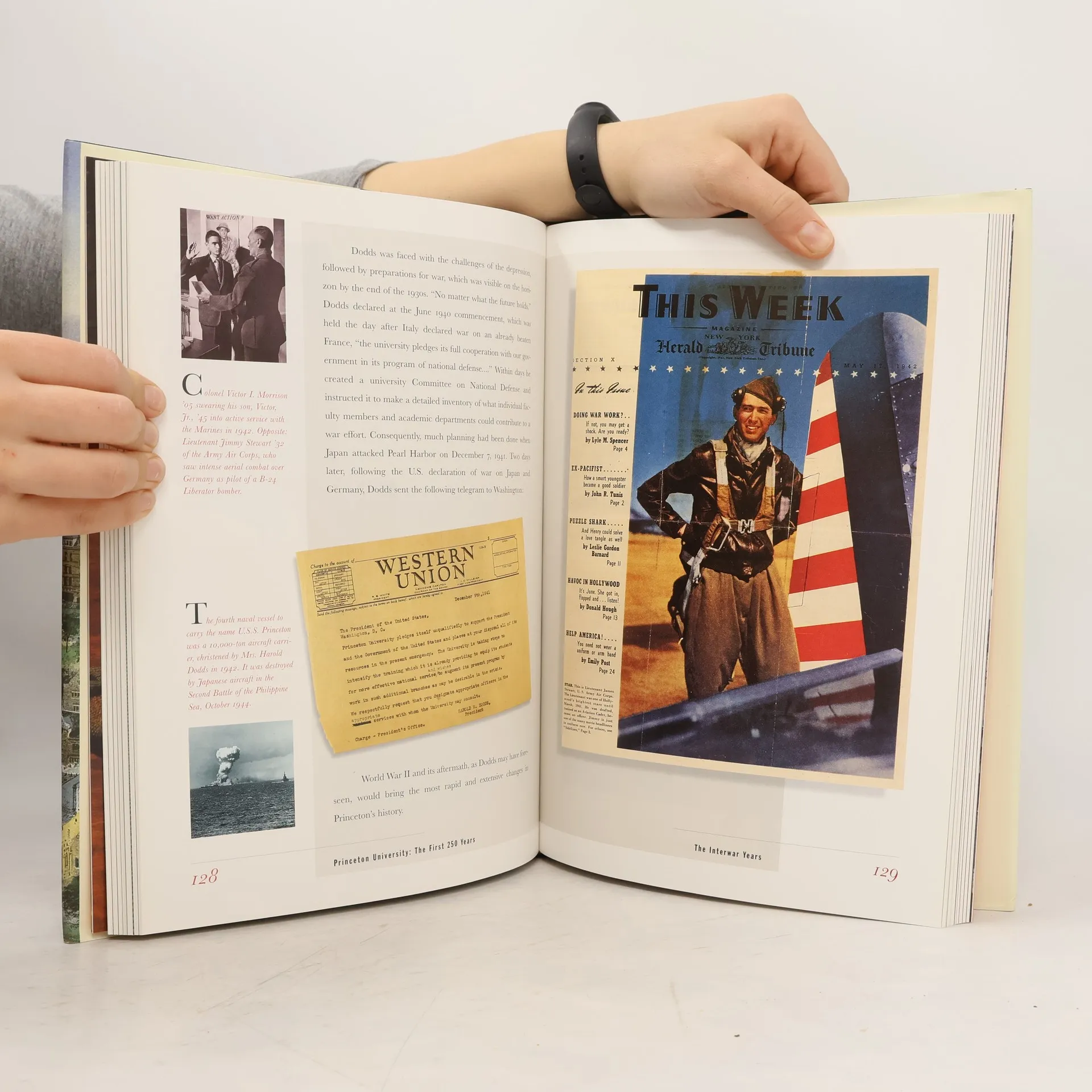
Through Don Oberdorfer's words and J. T. Miller's illustrations, this book tells the fascinating, colorful, and sometimes surprising story of Princeton University's first 250 years. The first half focuses on major turning points and personalities as Princeton evolved over its first two centuries into a distinctive institution and campus culture. The second half examines the post-World War II era when Princeton became significantly more diverse (and in the 1960s coeducational), weathered an era of campus protest, created new structures for undergraduate life, and expanded its commitment to graduate education, research and new fields of knowledge. In a final chapter the book looks into Princeton's future with its president and some current students. Also included are profiles of the four presidents who have led Princeton since World War II and brief sketches on topics that range from Princeton's athletes and its Nobel laureates to things named after Princeton and the phenomenon of Princeton reunions.
Book purchase
Princeton University. The First 250 Years, Don Oberdorfer
- Language

- Released
- 1995
- Binding
- (Hardcover)
Payment methods
We’re missing your review here.
- Title
- Princeton University. The First 250 Years
- Language
- English
- Authors
- Don Oberdorfer
- Publisher
- Princeton University Press
- Released
- 1995
- Format
- Hardcover
- Pages
- 272
- ISBN10
- 0691011222
- ISBN13
- 9780691011226
- Series
- Categories
- Rating
- 4.5 out of 5
- Description
- Through Don Oberdorfer's words and J. T. Miller's illustrations, this book tells the fascinating, colorful, and sometimes surprising story of Princeton University's first 250 years. The first half focuses on major turning points and personalities as Princeton evolved over its first two centuries into a distinctive institution and campus culture. The second half examines the post-World War II era when Princeton became significantly more diverse (and in the 1960s coeducational), weathered an era of campus protest, created new structures for undergraduate life, and expanded its commitment to graduate education, research and new fields of knowledge. In a final chapter the book looks into Princeton's future with its president and some current students. Also included are profiles of the four presidents who have led Princeton since World War II and brief sketches on topics that range from Princeton's athletes and its Nobel laureates to things named after Princeton and the phenomenon of Princeton reunions.