

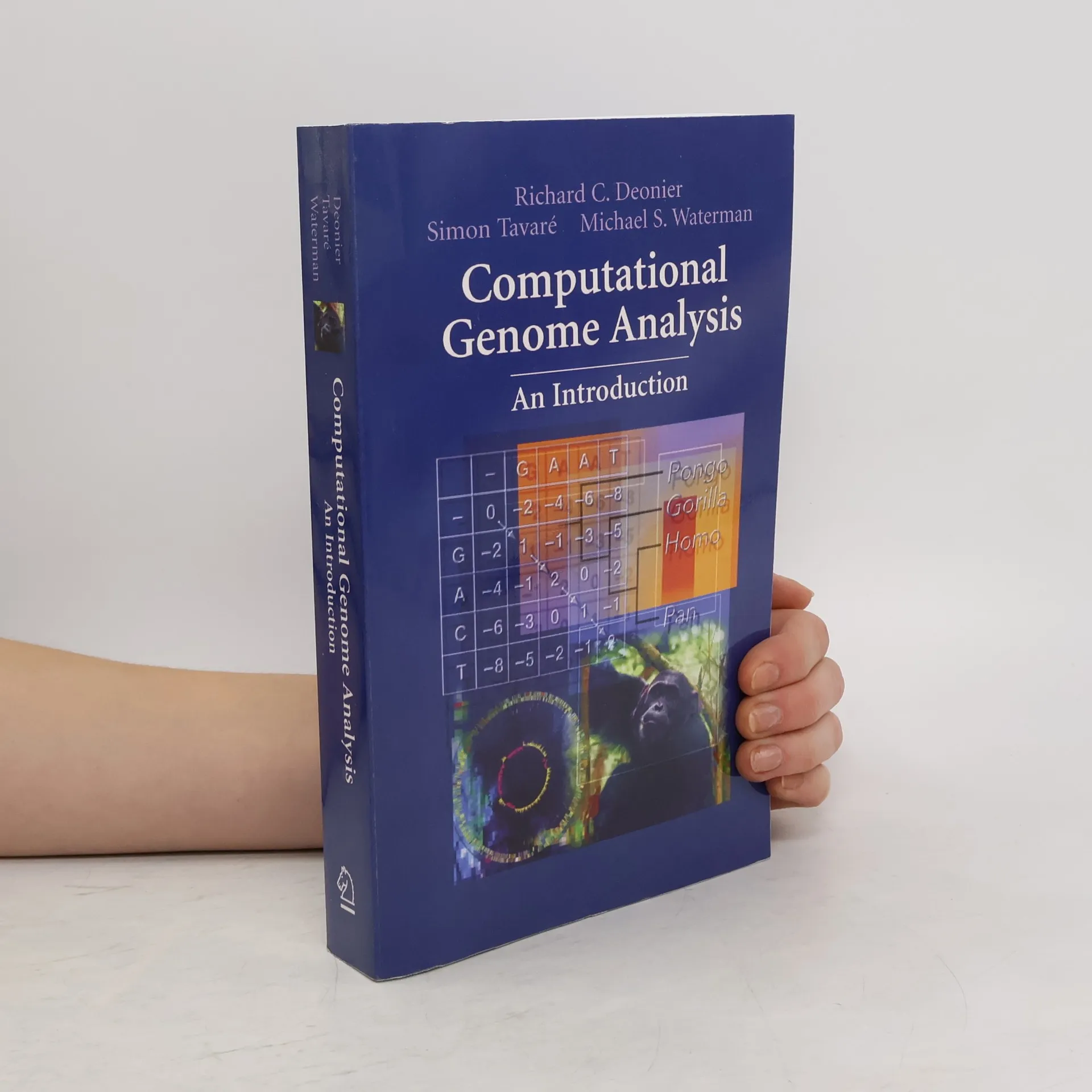

Computational Genome Analysis. An Introduction
Book rating
More about the book
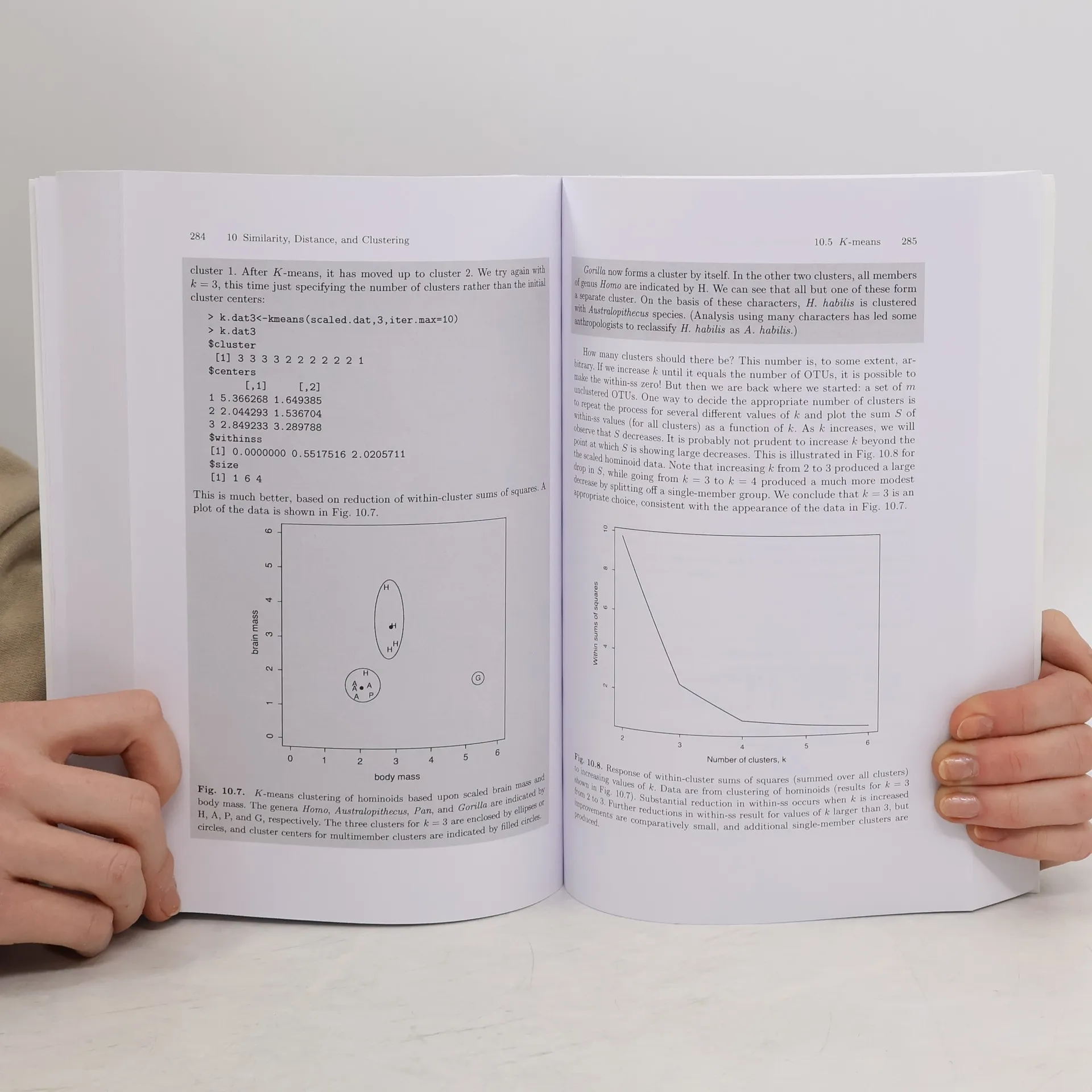
This book presents the foundations of key problems in computational molecular biology and bioinformatics. It focuses on computational and statistical principles applied to genomes, and introduces the mathematics and statistics that are crucial for understanding these applications. The book features a free download of the R software statistics package and the text provides great crossover material that is interesting and accessible to students in biology, mathematics, statistics and computer science. More than 100 illustrations and diagrams reinforce concepts and present key results from the primary literature. Exercises are given at the end of chapters.
Book purchase
Computational Genome Analysis. An Introduction, Simon Tavaré, Richard C. Deonier, Michael S. Waterman
- Language

- Released
- 2005
- Binding
- (Paperback)
Payment methods
We’re missing your review here.
- Title
- Computational Genome Analysis. An Introduction
- Language
- English
- Publisher
- Springer
- Released
- 2005
- Format
- Paperback
- Pages
- 555
- ISBN10
- 1441931627
- ISBN13
- 9781441931627
- Series
- Categories
- Tags
- Natural sciences, Science
- Rating
- 3.6 out of 5
- Description
- This book presents the foundations of key problems in computational molecular biology and bioinformatics. It focuses on computational and statistical principles applied to genomes, and introduces the mathematics and statistics that are crucial for understanding these applications. The book features a free download of the R software statistics package and the text provides great crossover material that is interesting and accessible to students in biology, mathematics, statistics and computer science. More than 100 illustrations and diagrams reinforce concepts and present key results from the primary literature. Exercises are given at the end of chapters.