

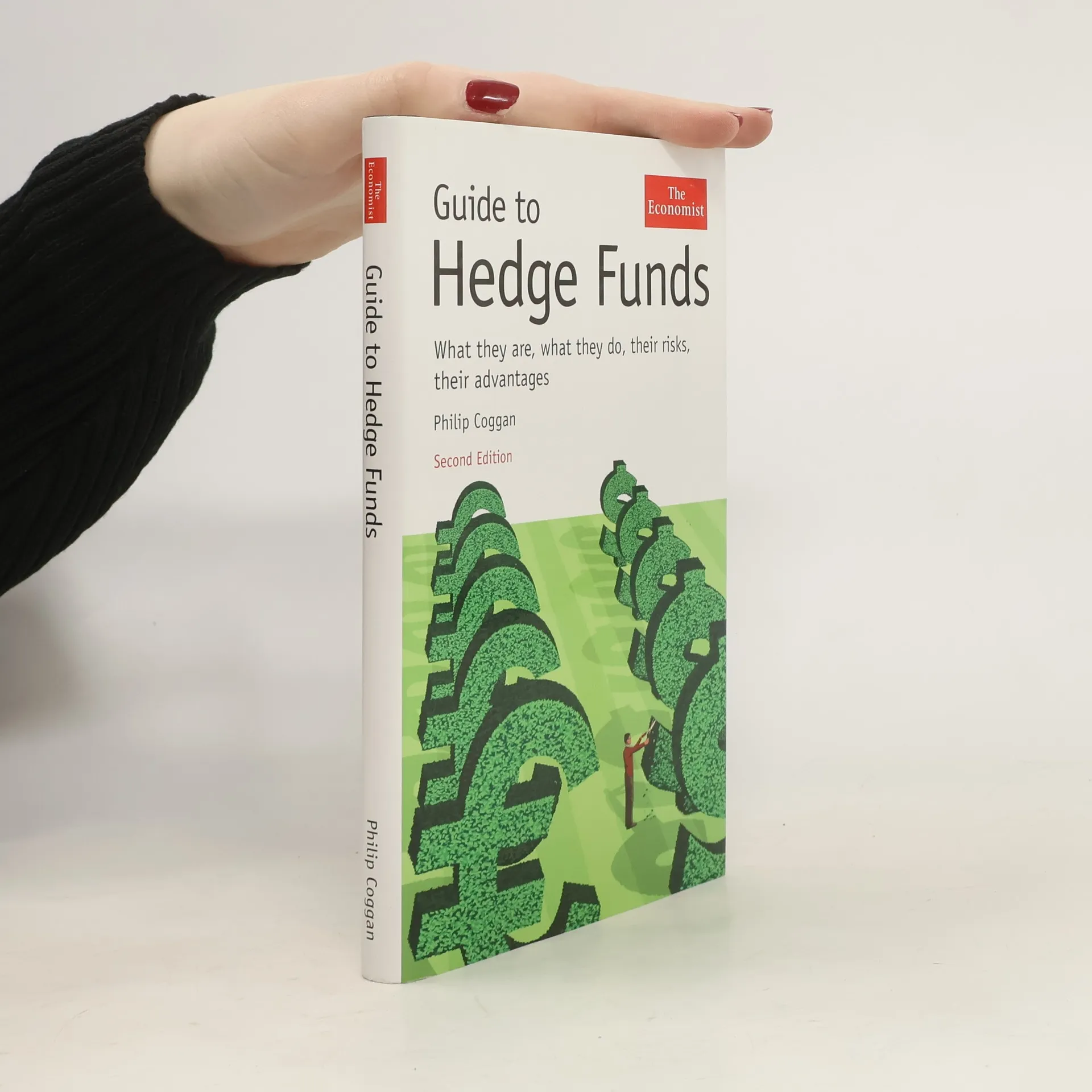
More about the book
In 1990 hedge funds managed some $39 billion of assets and were almost unknown. By 2008 that figure had grown to almost $2 trillion and hedge funds were being blamed by some for contributing to the credit crunch and demonised by others for their greed. The rise of the industry has created a new bunch of billionaires, who have made themselves rich by managing other people's money. Jim Simons, a mathematician who in a previous generation might have had to make do on an academic's salary, earned a remarkable $2.5 billion in 2008 alone; the top 10 managers that year were paid almost $10 billion between them, with the top three earning over $1 billion each. Nowadays most people have heard the term 'hedge fund' but few are clear about what exactly a hedge fund is or what it does. This guide aims to put them in the picture with the clarity and lively prose that The Economist is famous for. It provides a succinct survey of the industry for all those who think they should know about hedge funds, but do not. It is aimed at all those who might want or have to deal with a hedge fund: private investors, trustees of a pension fund, directors of a listed company, lawyers and accountants who may be interested in working in the industry. It is also aimed at those who happily criticise hedge funds without really knowing what they do.
Book purchase
Guide to Hedge Funds, Philip Coggan
- Language

- Released
- 2010
- Binding
- (Hardcover)
Payment methods
We’re missing your review here.
- Title
- Guide to Hedge Funds
- Language
- English
- Authors
- Philip Coggan
- Publisher
- Economist Books
- Released
- 2010
- Format
- Hardcover
- ISBN10
- 1846683823
- ISBN13
- 9781846683824
- Series
- Rating
- 2.65 out of 5
- Description
- In 1990 hedge funds managed some $39 billion of assets and were almost unknown. By 2008 that figure had grown to almost $2 trillion and hedge funds were being blamed by some for contributing to the credit crunch and demonised by others for their greed. The rise of the industry has created a new bunch of billionaires, who have made themselves rich by managing other people's money. Jim Simons, a mathematician who in a previous generation might have had to make do on an academic's salary, earned a remarkable $2.5 billion in 2008 alone; the top 10 managers that year were paid almost $10 billion between them, with the top three earning over $1 billion each. Nowadays most people have heard the term 'hedge fund' but few are clear about what exactly a hedge fund is or what it does. This guide aims to put them in the picture with the clarity and lively prose that The Economist is famous for. It provides a succinct survey of the industry for all those who think they should know about hedge funds, but do not. It is aimed at all those who might want or have to deal with a hedge fund: private investors, trustees of a pension fund, directors of a listed company, lawyers and accountants who may be interested in working in the industry. It is also aimed at those who happily criticise hedge funds without really knowing what they do.