


More about the book
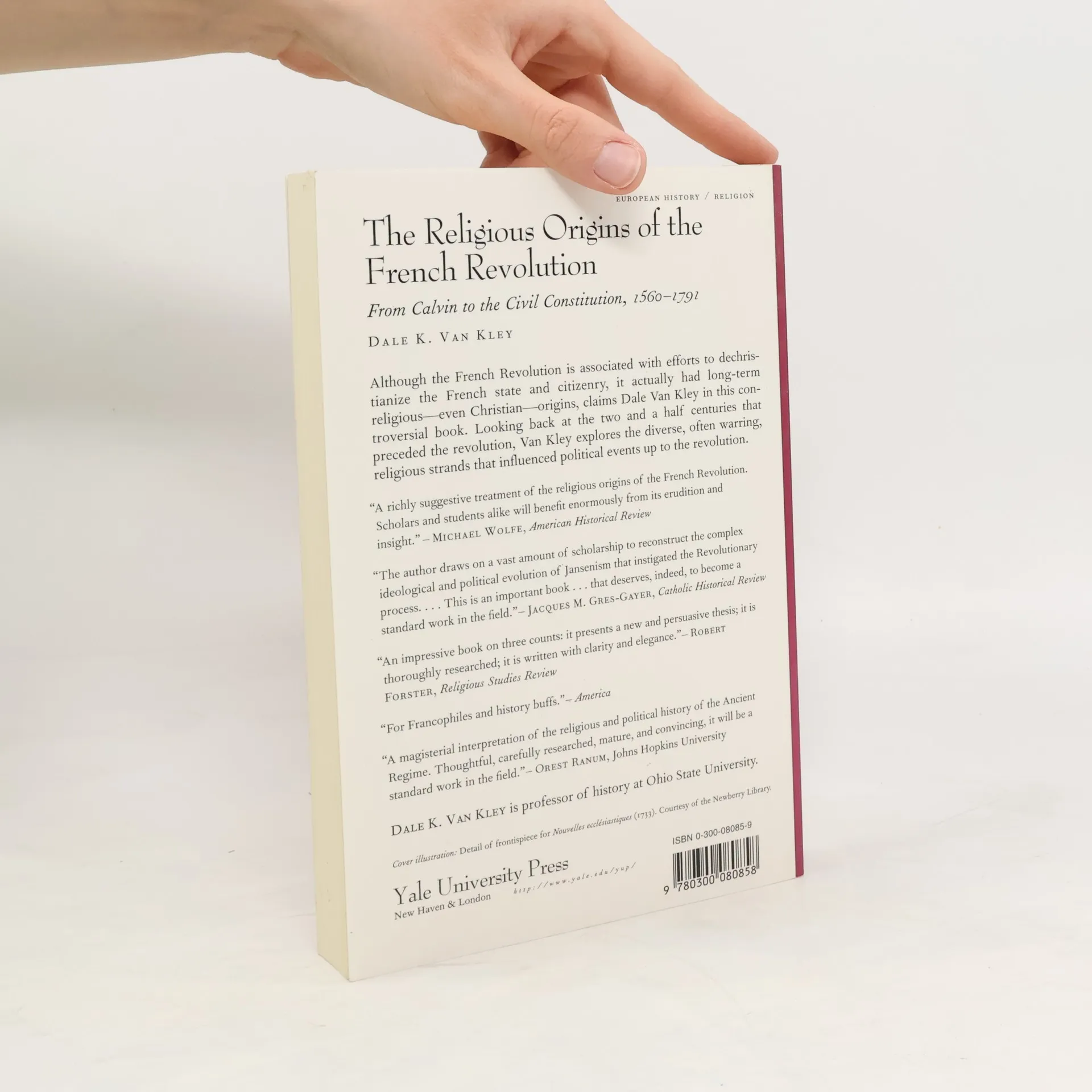
After examining the intellectual and cultural origins of the revolutionary period, the complex issue of its religious origins remains to be addressed. This is the task undertaken by Dale K. Van Kley in this now classic book. The Revolution indeed draws from religion its demand for reform and its lexicon of dissent. It all begins with the wars of religion and their critique of monarchical power and Royal Religion. The situation reignites with the Jansenists of the 18th century, whose doctrine is condemned by the bull Unigenitus. The new political theology that emerges strategically intersects with the efforts of the "philosophes" to radically rethink the foundations of sovereignty: thus, 1789 inherited the profound transformations that took place within modern Christianity. The question that arises is how a revolution with such "religious" origins could exhibit such violence towards religion.
Book purchase
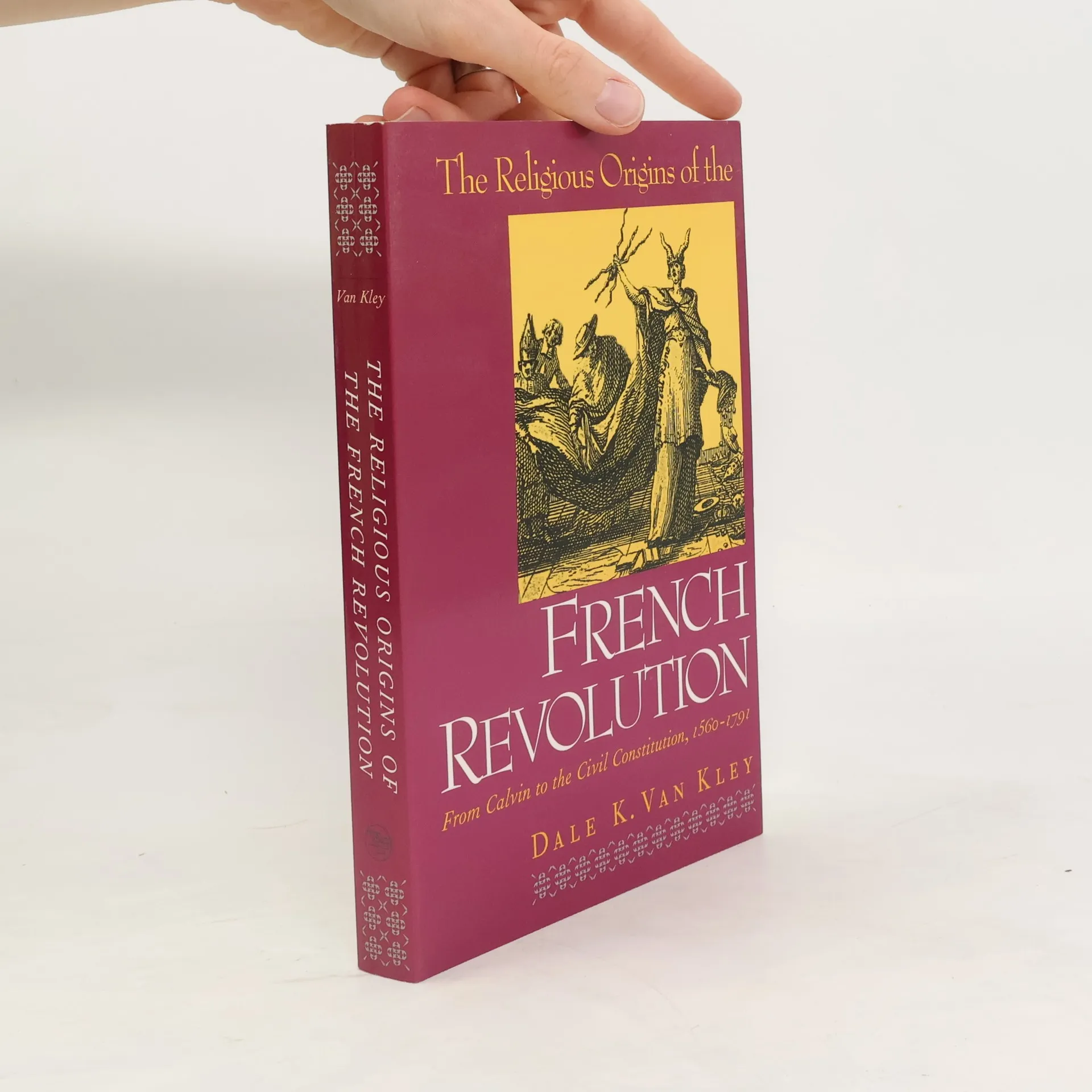
The Religious Origins of the French Revolution, Dale K. Van Kley
- Language

- Released
- 1996
- Binding
- (Paperback)
Payment methods
We’re missing your review here.
- Title
- The Religious Origins of the French Revolution
- Language
- English
- Authors
- Dale K. Van Kley
- Publisher
- Yale University Press
- Released
- 1996
- Format
- Paperback
- Pages
- 400
- ISBN10
- 0300080859
- ISBN13
- 9780300080858
- Series
- Rating
- 3.7 out of 5
- Description
- After examining the intellectual and cultural origins of the revolutionary period, the complex issue of its religious origins remains to be addressed. This is the task undertaken by Dale K. Van Kley in this now classic book. The Revolution indeed draws from religion its demand for reform and its lexicon of dissent. It all begins with the wars of religion and their critique of monarchical power and Royal Religion. The situation reignites with the Jansenists of the 18th century, whose doctrine is condemned by the bull Unigenitus. The new political theology that emerges strategically intersects with the efforts of the "philosophes" to radically rethink the foundations of sovereignty: thus, 1789 inherited the profound transformations that took place within modern Christianity. The question that arises is how a revolution with such "religious" origins could exhibit such violence towards religion.