

More about the book
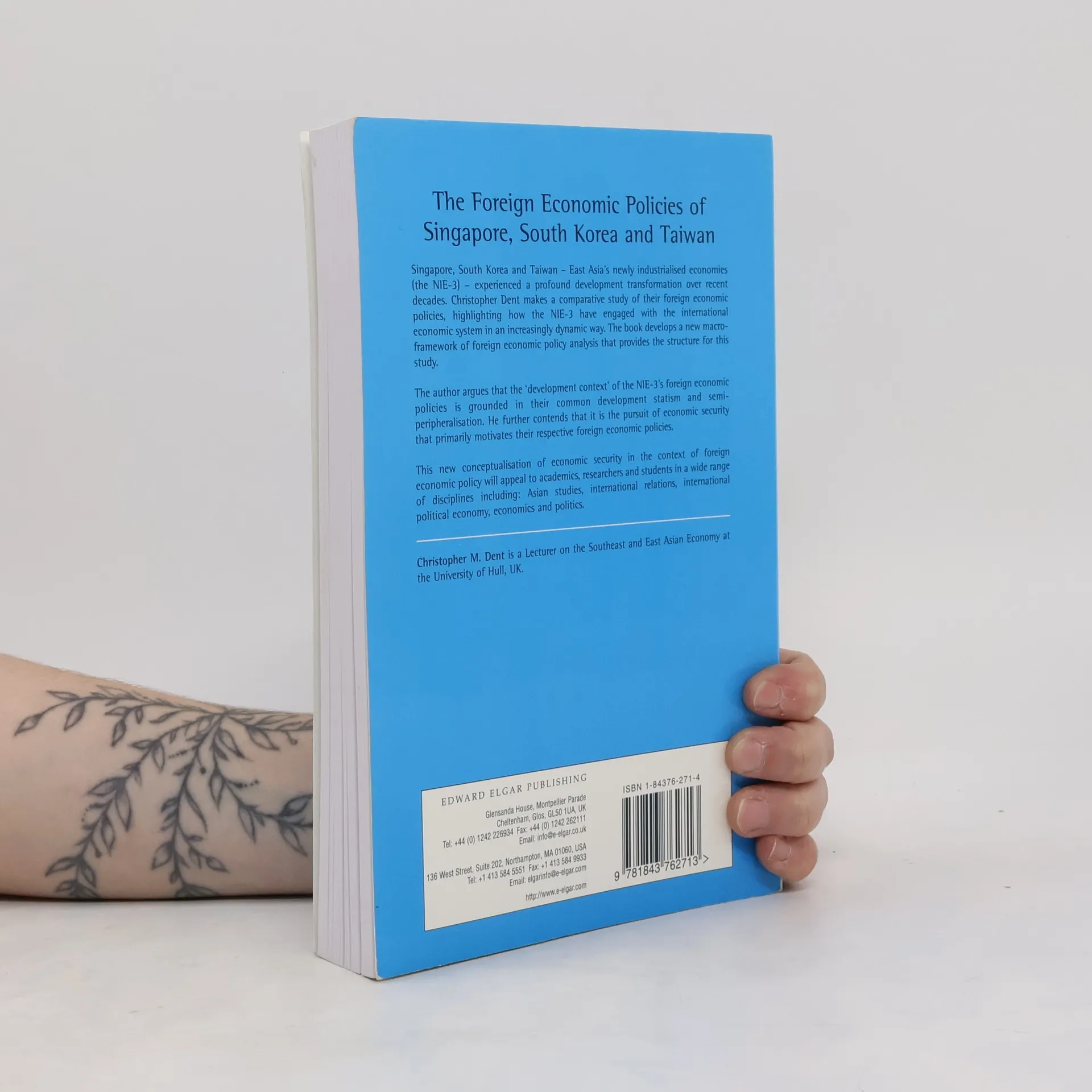
Singapore, South Korea and Taiwan - East Asia's newly industrialized economies (the NIE-3) - experienced a profound development transformation over recent decades. Christopher Dent makes a comparative study of their foreign economic policies, highlighting how the NIE-3 have engaged with the international economic system in an increasingly dynamic way. The book, now available in paperback, develops a new macro-framework of foreign economic policy analysis that provides the structure for this study. The author argues that the `development context' of the NIE-3's foreign economic policies is grounded in their common development statism and semi-peripheralization. He further contends that it is the pursuit of economic security that primarily motivates their respective foreign economic policies. This new conceptualization of economic security in the context of foreign economic policy will appeal to academics, researchers and students in a wide range of disciplines including: Asian studies, international relations, international political economy, economics and politics.
Book purchase
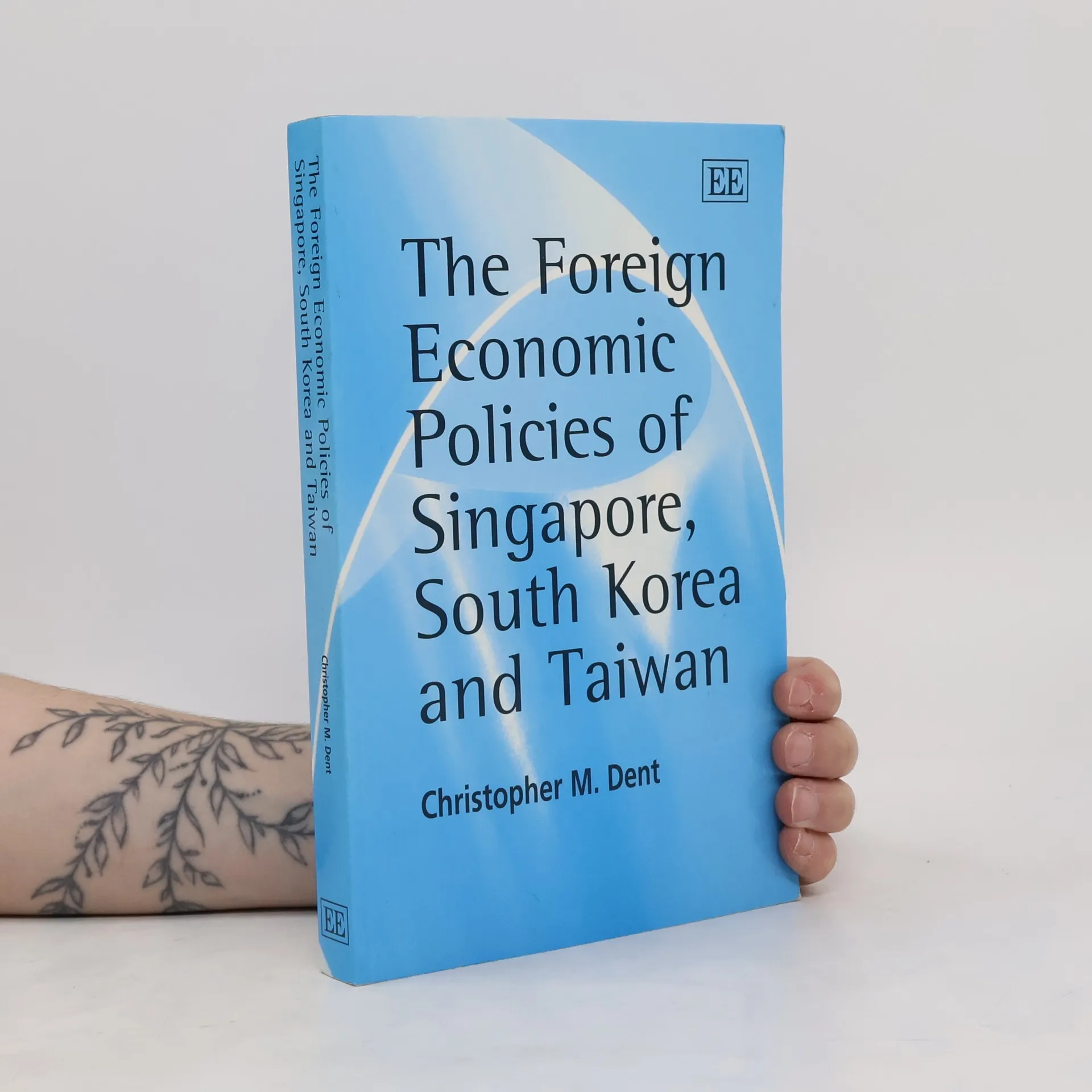
The Foreign Economic Policies of Singapore, South Korea and Taiwan, Christopher M. Dent
- Language

- Released
- 2002
- Binding
- (Paperback)
Payment methods
No one has rated yet.
- Title
- The Foreign Economic Policies of Singapore, South Korea and Taiwan
- Language
- English
- Authors
- Christopher M. Dent
- Publisher
- Edward Elgar Publishing
- Released
- 2002
- Format
- Paperback
- Pages
- 352
- ISBN10
- 1843762714
- ISBN13
- 9781843762713
- Series
- Categories
- Tags
- Business
- Description
- Singapore, South Korea and Taiwan - East Asia's newly industrialized economies (the NIE-3) - experienced a profound development transformation over recent decades. Christopher Dent makes a comparative study of their foreign economic policies, highlighting how the NIE-3 have engaged with the international economic system in an increasingly dynamic way. The book, now available in paperback, develops a new macro-framework of foreign economic policy analysis that provides the structure for this study. The author argues that the `development context' of the NIE-3's foreign economic policies is grounded in their common development statism and semi-peripheralization. He further contends that it is the pursuit of economic security that primarily motivates their respective foreign economic policies. This new conceptualization of economic security in the context of foreign economic policy will appeal to academics, researchers and students in a wide range of disciplines including: Asian studies, international relations, international political economy, economics and politics.