



Book rating
More about the book
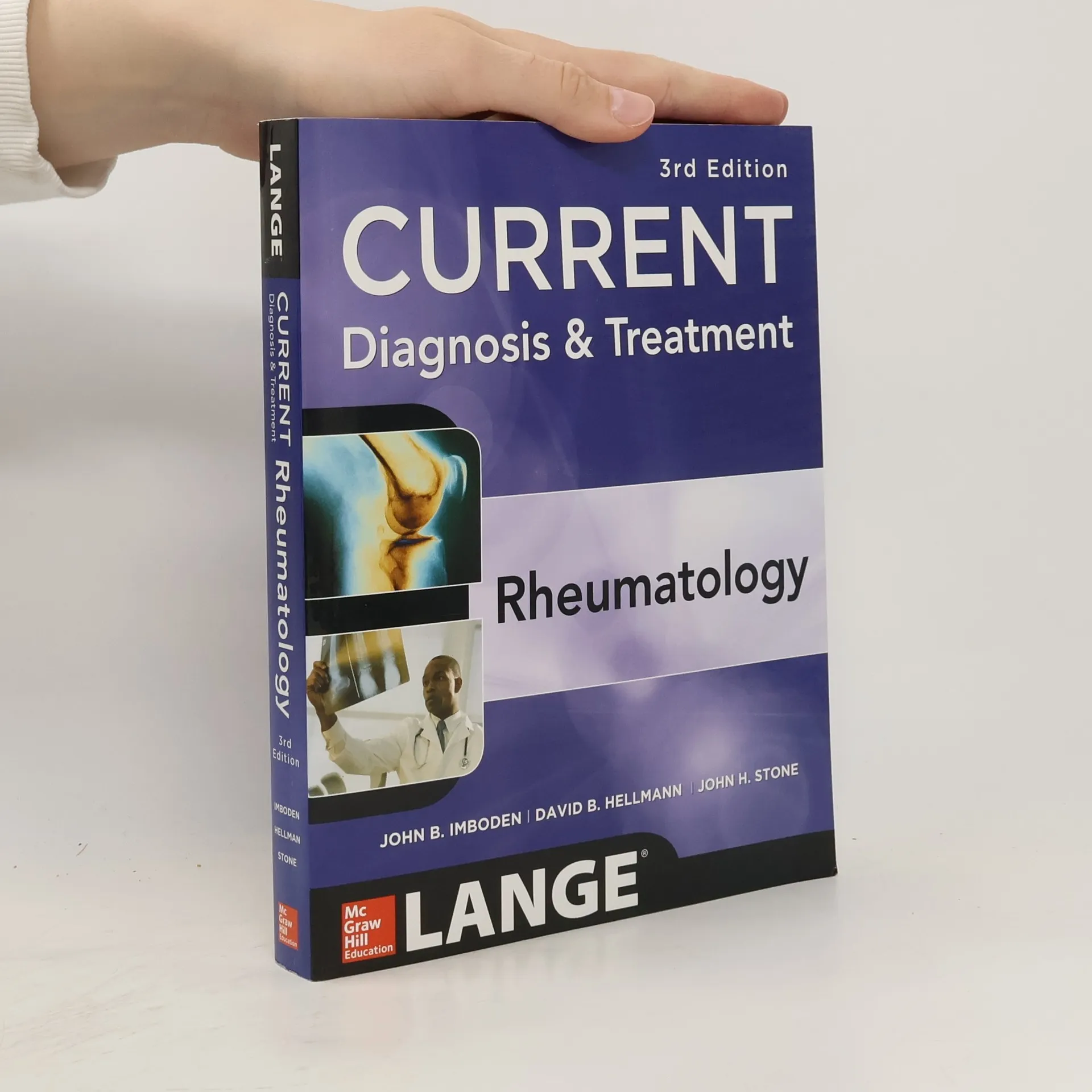
The third edition of this quick-reference guide has everything you need to keep pace with this fast-moving field--presented in the acclaimed CURRENT format. A practice-pertinent reference for primary care providers, the book simplifies the treatment of difficult-to-manage rheumatologic diseases and disorders, such as arthritis, lupus, and sarcoidosis. Features: NEW full-color photographs; NEW chapters on clinical genetics, drug-induced syndromes, and metabolic myopathies; straightforward, expert coverage of the entire range of rheumatology disorders; full explanations of common and major disorders in clinical immunology; concise chapters geared to the needs of trainees and clinicians; first section that addresses common but difficult-to-diagnose rheumatologic complaints--and delivers key "approach to the patient" strategies
Book purchase
Current Diagnosis & Treatment in Rheumatology, Third Edition, Various authors
- Language

- Released
- 2013
- Binding
- (Paperback)
Payment methods
We’re missing your review here.
- Title
- Current Diagnosis & Treatment in Rheumatology, Third Edition
- Language
- English
- Authors
- Various authors
- Publisher
- McGraw-Hill Education / Medical
- Released
- 2013
- Format
- Paperback
- Pages
- 624
- ISBN10
- 0071638059
- ISBN13
- 9780071638050
- Series
- Categories
- Tags
- Other Textbooks
- Rating
- 4.4 out of 5
- Description
- The third edition of this quick-reference guide has everything you need to keep pace with this fast-moving field--presented in the acclaimed CURRENT format. A practice-pertinent reference for primary care providers, the book simplifies the treatment of difficult-to-manage rheumatologic diseases and disorders, such as arthritis, lupus, and sarcoidosis. Features: NEW full-color photographs; NEW chapters on clinical genetics, drug-induced syndromes, and metabolic myopathies; straightforward, expert coverage of the entire range of rheumatology disorders; full explanations of common and major disorders in clinical immunology; concise chapters geared to the needs of trainees and clinicians; first section that addresses common but difficult-to-diagnose rheumatologic complaints--and delivers key "approach to the patient" strategies