



Parameters
More about the book
The Origins of the English Novel, 1600-1740 , combines historical analysis and readings of extraordinarily diverse texts to reconceive the foundations of the dominant genre of the modern era. Now, on the fifteenth anniversary of its initial publication, The Origins of the English Novel stands as essential reading. The anniversary edition features a new introduction in which the author reflects on the considerable response and commentary the book has attracted since its publication by describing dialectical method and by applying it to early modern notions of gender. Challenging prevailing theories that tie the origins of the novel to the ascendancy of "realism" and the "middle class," McKeon argues that this new genre arose in response to the profound instability of literary and social categories. Between 1600 and 1740, momentous changes took place in European attitudes toward truth in narrative and toward virtue in the individual and the social order. The novel emerged, McKeon contends, as a cultural instrument designed to engage the epistemological and social crises of the age.
Book purchase
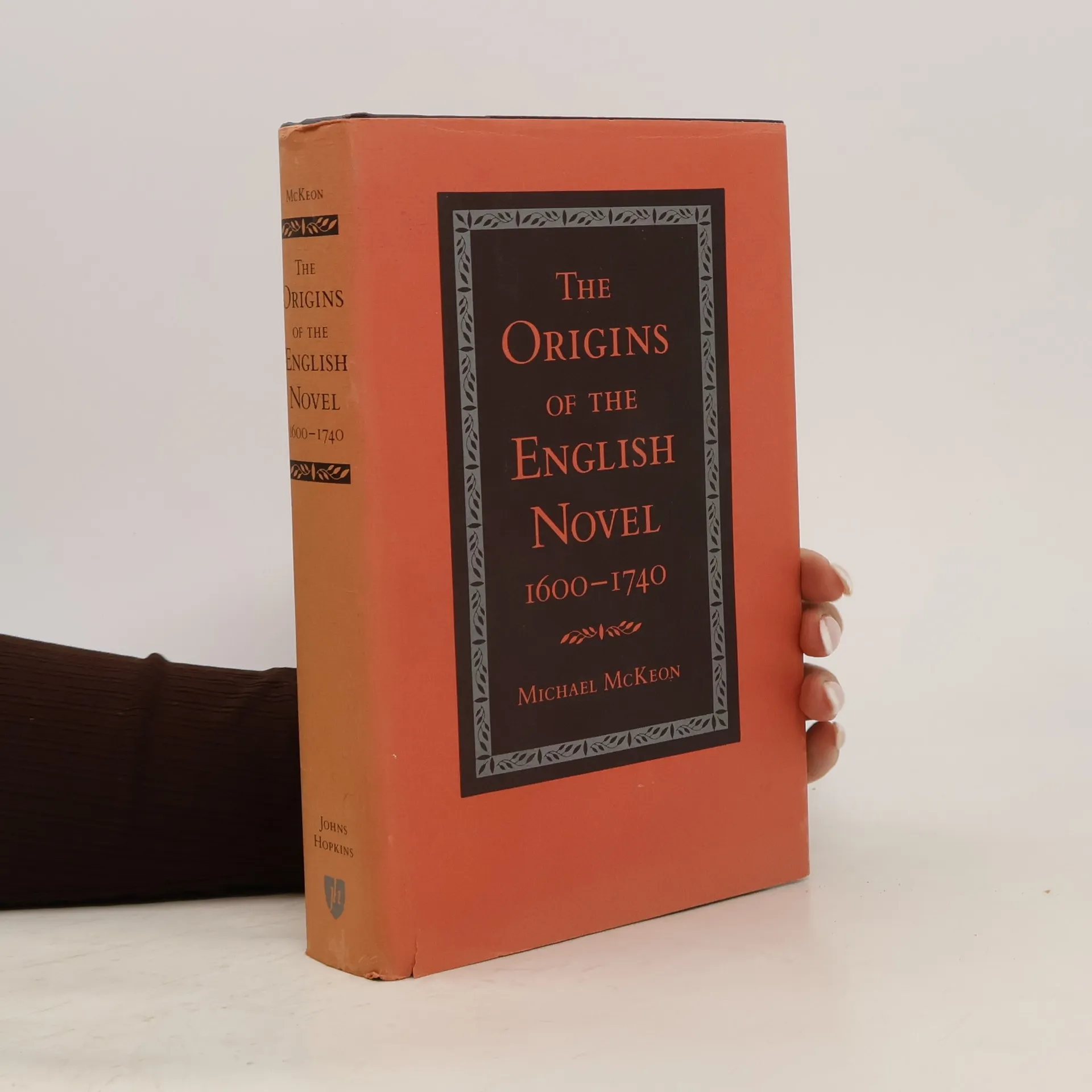
The origins of the English novel, 1600-1740, Michael McKeon
- Language

- Released
- 1987
- Binding
- (Hardcover)
Payment methods
We’re missing your review here.
- Title
- The origins of the English novel, 1600-1740
- Language
- English
- Authors
- Michael McKeon
- Publisher
- Johns Hopkins University Press
- Released
- 1987
- Format
- Hardcover
- ISBN10
- 0801832918
- ISBN13
- 9780801832918
- Series
- Categories
- Tags
- World Literature
- Rating
- 4 out of 5
- Description
- The Origins of the English Novel, 1600-1740 , combines historical analysis and readings of extraordinarily diverse texts to reconceive the foundations of the dominant genre of the modern era. Now, on the fifteenth anniversary of its initial publication, The Origins of the English Novel stands as essential reading. The anniversary edition features a new introduction in which the author reflects on the considerable response and commentary the book has attracted since its publication by describing dialectical method and by applying it to early modern notions of gender. Challenging prevailing theories that tie the origins of the novel to the ascendancy of "realism" and the "middle class," McKeon argues that this new genre arose in response to the profound instability of literary and social categories. Between 1600 and 1740, momentous changes took place in European attitudes toward truth in narrative and toward virtue in the individual and the social order. The novel emerged, McKeon contends, as a cultural instrument designed to engage the epistemological and social crises of the age.