

More about the book
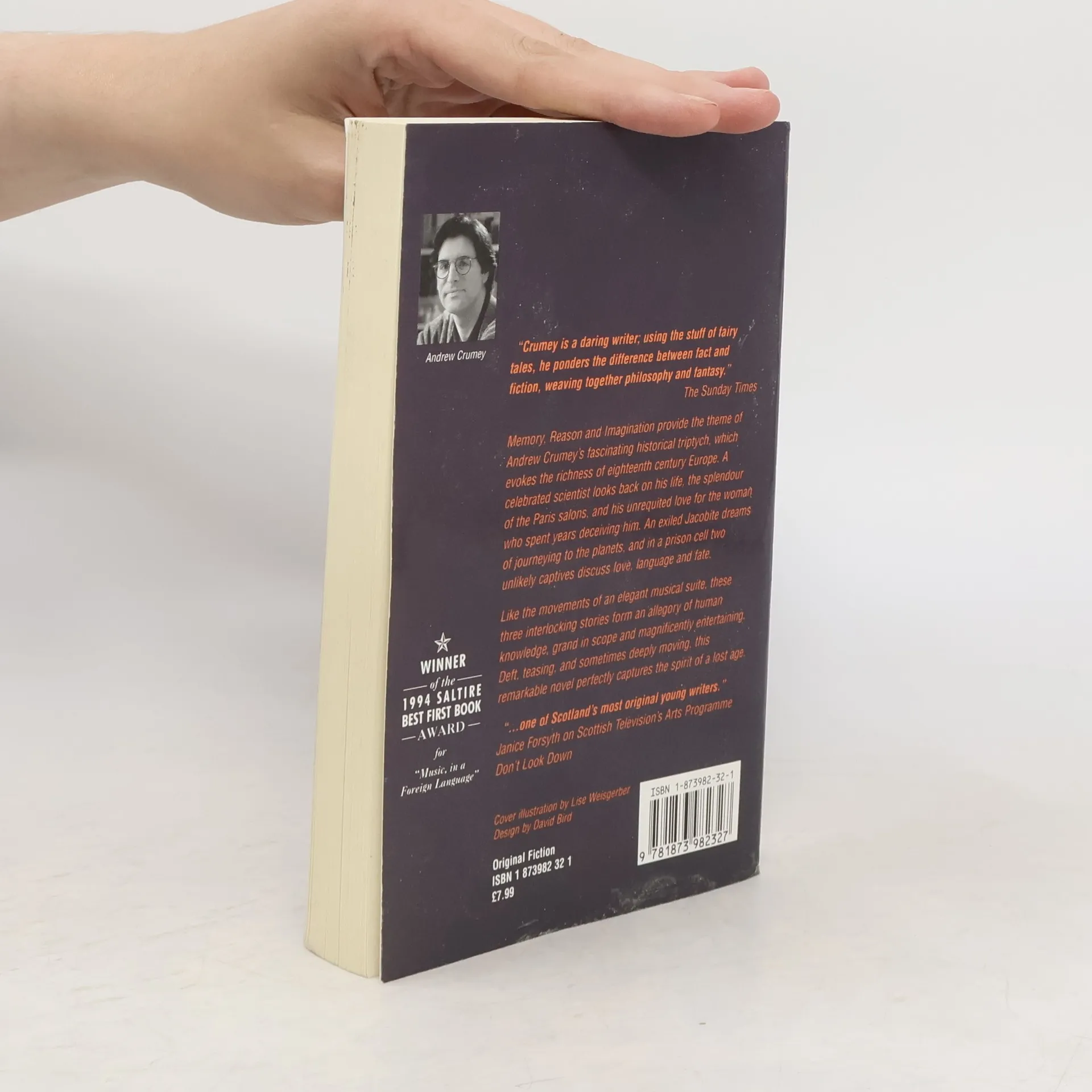
"A wonderfully diverting and stimulating entertainment. Cunningly structured and as satisfying as an intricate piece of clockwork, it plays with narrative, revels in ideas and succeeds in being both fey and sharp, detached and compassionate. At a time when fiction gives all to the tired virtual realities of sex and violence, internets, Agas and middle-class Angst, it is a brilliant reminder of the power of the imagination to surprise, delight and open windows." David Coward in The Times Literary Supplement "Crumey does produce excellent post-modernist novels, each as concentric and cunning as the others. This is a triptych starting with D'Alembert penning his imagined memoirs. The literary equivalent of an Escher, the story has no identifiable end or beginning. Clever, entertaining, engaging"
Book purchase
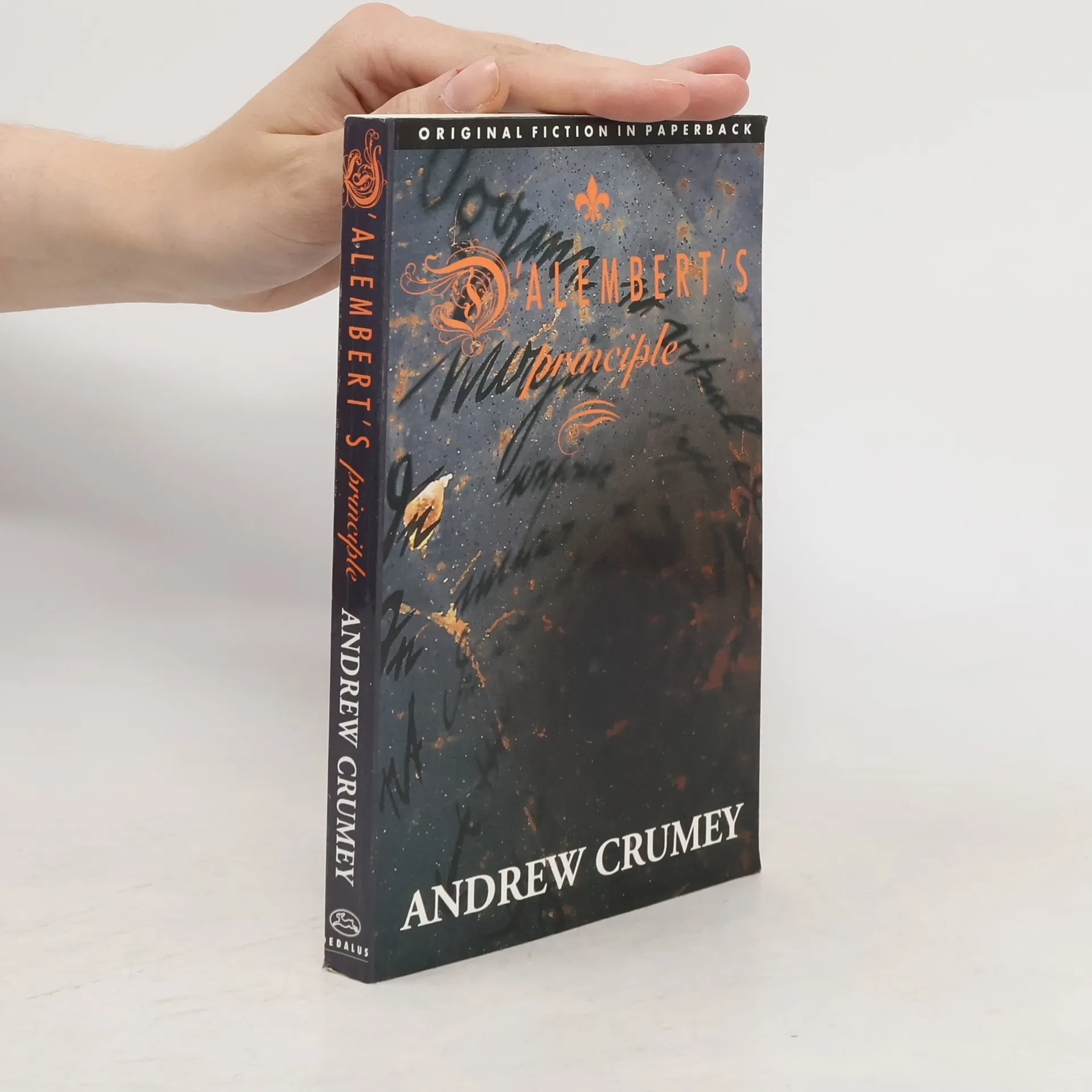
D'Alembert's Principle, Andrew Crumey
- Language

- Released
- 1996
- Binding
- (Paperback)
Payment methods
We’re missing your review here.
- Title
- D'Alembert's Principle
- Subtitle
- Memory, Reason and Imagination
- Language
- English
- Authors
- Andrew Crumey
- Publisher
- Dedalus
- Released
- 1996
- Format
- Paperback
- Pages
- 214
- ISBN10
- 1873982321
- ISBN13
- 9781873982327
- Series
- Tags
- Rating
- 3.95 out of 5
- Description
- "A wonderfully diverting and stimulating entertainment. Cunningly structured and as satisfying as an intricate piece of clockwork, it plays with narrative, revels in ideas and succeeds in being both fey and sharp, detached and compassionate. At a time when fiction gives all to the tired virtual realities of sex and violence, internets, Agas and middle-class Angst, it is a brilliant reminder of the power of the imagination to surprise, delight and open windows." David Coward in The Times Literary Supplement "Crumey does produce excellent post-modernist novels, each as concentric and cunning as the others. This is a triptych starting with D'Alembert penning his imagined memoirs. The literary equivalent of an Escher, the story has no identifiable end or beginning. Clever, entertaining, engaging"