

More about the book
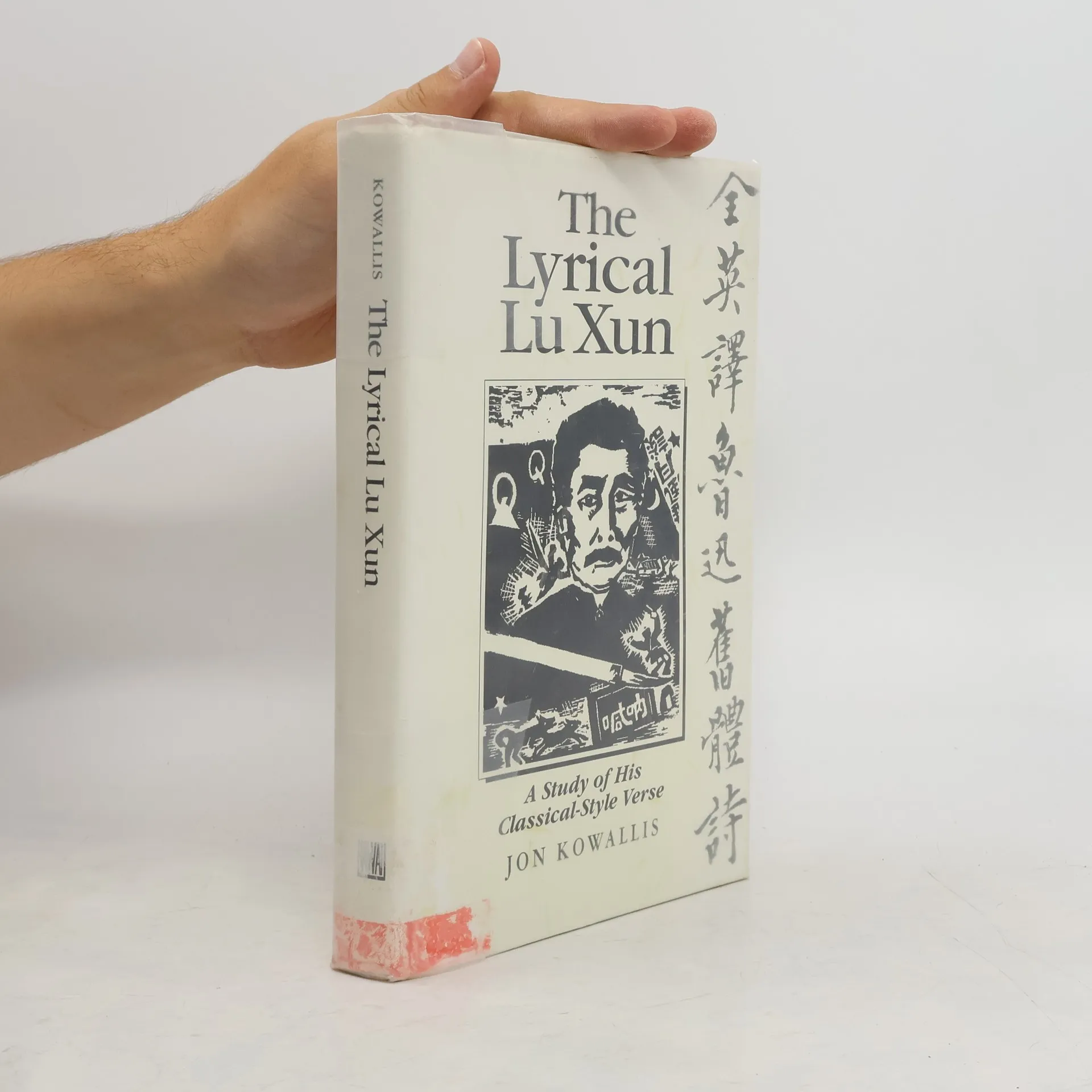
The influence of Lu Xun (1881-1936) in China's cultural, literary, and artistic life over the last sixty years has been inestimable. A poet from a backwater town, Lu Xun was propelled by the times into the various careers of educator, writer, publicist, professor, and polemicist. He was, however, first and foremost a classical scholar, writing some of his best works in classical form. The Lyrical Lu Xun is the most complete treatment of his classical-style poetry in any foreign language, containing translations and extensive discussions of sixty-four poems in the highly stylized forms of jueju (quatrains) and lushi (full-length regulated verse) - forms with detailed, strict rules for rhyme and tonal prosody that evolved according to pronunciations and standards set up more than a thousand years ago.
Book purchase
The Lyrical Lu Xun, Jon Eugene von Kowallis
- Language

- Released
- 1996
- Binding
- (Hardcover)
Payment methods
We’re missing your review here.
- Title
- The Lyrical Lu Xun
- Subtitle
- A Study of His Classical-Style Verse
- Language
- English
- Authors
- Jon Eugene von Kowallis
- Publisher
- University of Hawaii Press
- Released
- 1996
- Format
- Hardcover
- Pages
- 400
- ISBN10
- 0824815114
- ISBN13
- 9780824815110
- Series
- Tags
- Verses
- Rating
- 4.65 out of 5
- Description
- The influence of Lu Xun (1881-1936) in China's cultural, literary, and artistic life over the last sixty years has been inestimable. A poet from a backwater town, Lu Xun was propelled by the times into the various careers of educator, writer, publicist, professor, and polemicist. He was, however, first and foremost a classical scholar, writing some of his best works in classical form. The Lyrical Lu Xun is the most complete treatment of his classical-style poetry in any foreign language, containing translations and extensive discussions of sixty-four poems in the highly stylized forms of jueju (quatrains) and lushi (full-length regulated verse) - forms with detailed, strict rules for rhyme and tonal prosody that evolved according to pronunciations and standards set up more than a thousand years ago.