

For the Living and the Dead
The Funerary Laments of Upper Egypt, Ancient and Modern
Authors
More about the book
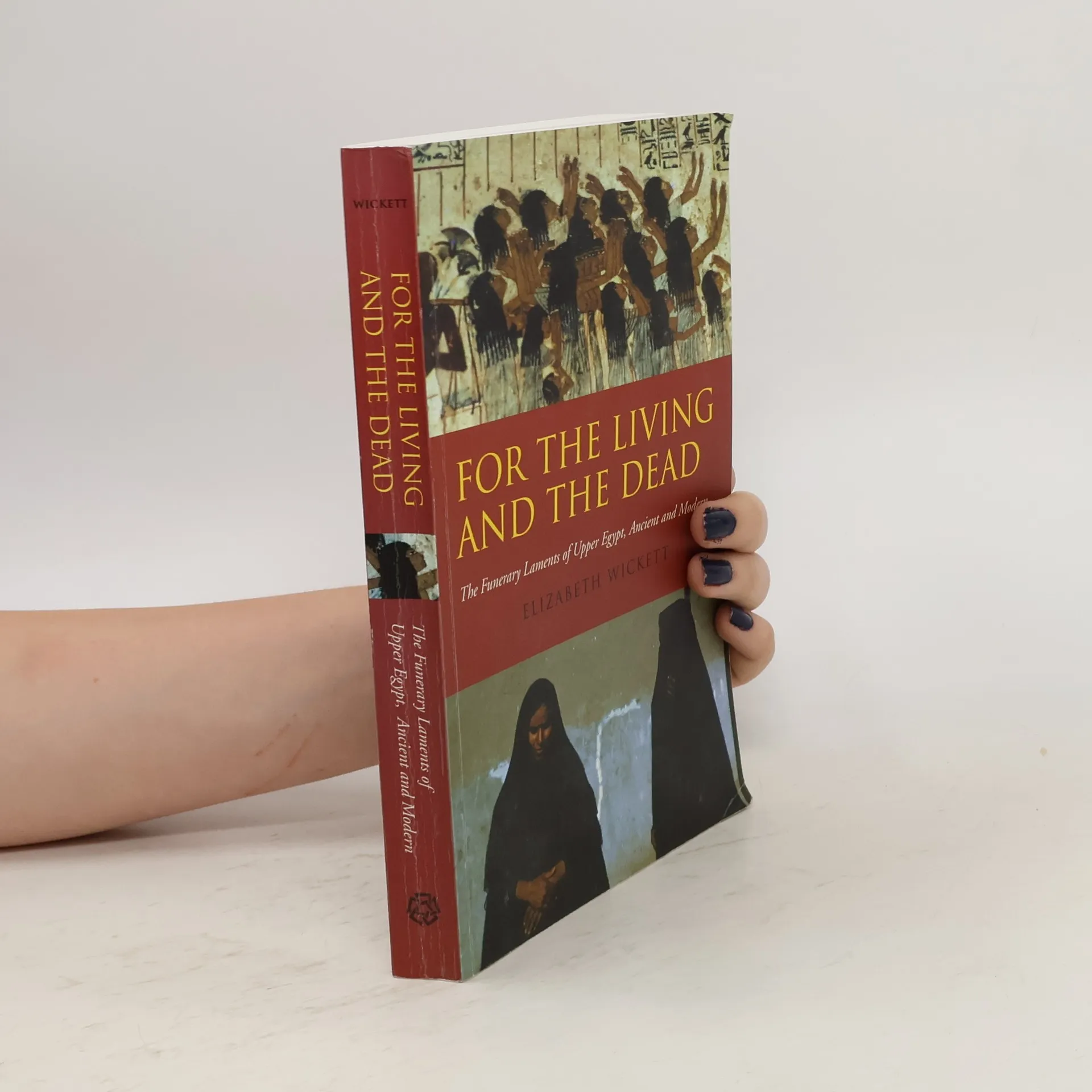
The funeral laments of Upper Egypt have an elaborate and ancient history stretching back more than 5,000 years. Even the chants of modern-day lamenters, echo the words of their ancestors. Yet this ancient tradition is now under threat from social and political change. The laments - known as idid in Arabic - are composed orally in performance. Elizabeth Wickett explores the performance, motifs and meanings of the laments and reveals their relation to myth, religion, cosmology and the ancient Egyptian funerary texts. The author was given unique access to this fast disappearing tradition, and her book provides a unique cultural archive that will interest Egyptologists, archaeologists, anthropologists, ethnomusicologists and all those with an interest in the language and culture of the Middle East.
Book purchase
For the Living and the Dead, Elizabeth Wickett
- Language

- Released
- 2010
- Binding
- (Paperback)
Payment methods
No one has rated yet.
- Title
- For the Living and the Dead
- Subtitle
- The Funerary Laments of Upper Egypt, Ancient and Modern
- Language
- English
- Authors
- Elizabeth Wickett
- Publisher
- American University in Cairo Press
- Released
- 2010
- Format
- Paperback
- Pages
- 307
- ISBN10
- 9774163753
- ISBN13
- 9789774163753
- Series
- Tags
- Egypt
- Description
- The funeral laments of Upper Egypt have an elaborate and ancient history stretching back more than 5,000 years. Even the chants of modern-day lamenters, echo the words of their ancestors. Yet this ancient tradition is now under threat from social and political change. The laments - known as idid in Arabic - are composed orally in performance. Elizabeth Wickett explores the performance, motifs and meanings of the laments and reveals their relation to myth, religion, cosmology and the ancient Egyptian funerary texts. The author was given unique access to this fast disappearing tradition, and her book provides a unique cultural archive that will interest Egyptologists, archaeologists, anthropologists, ethnomusicologists and all those with an interest in the language and culture of the Middle East.