

Parameters
More about the book
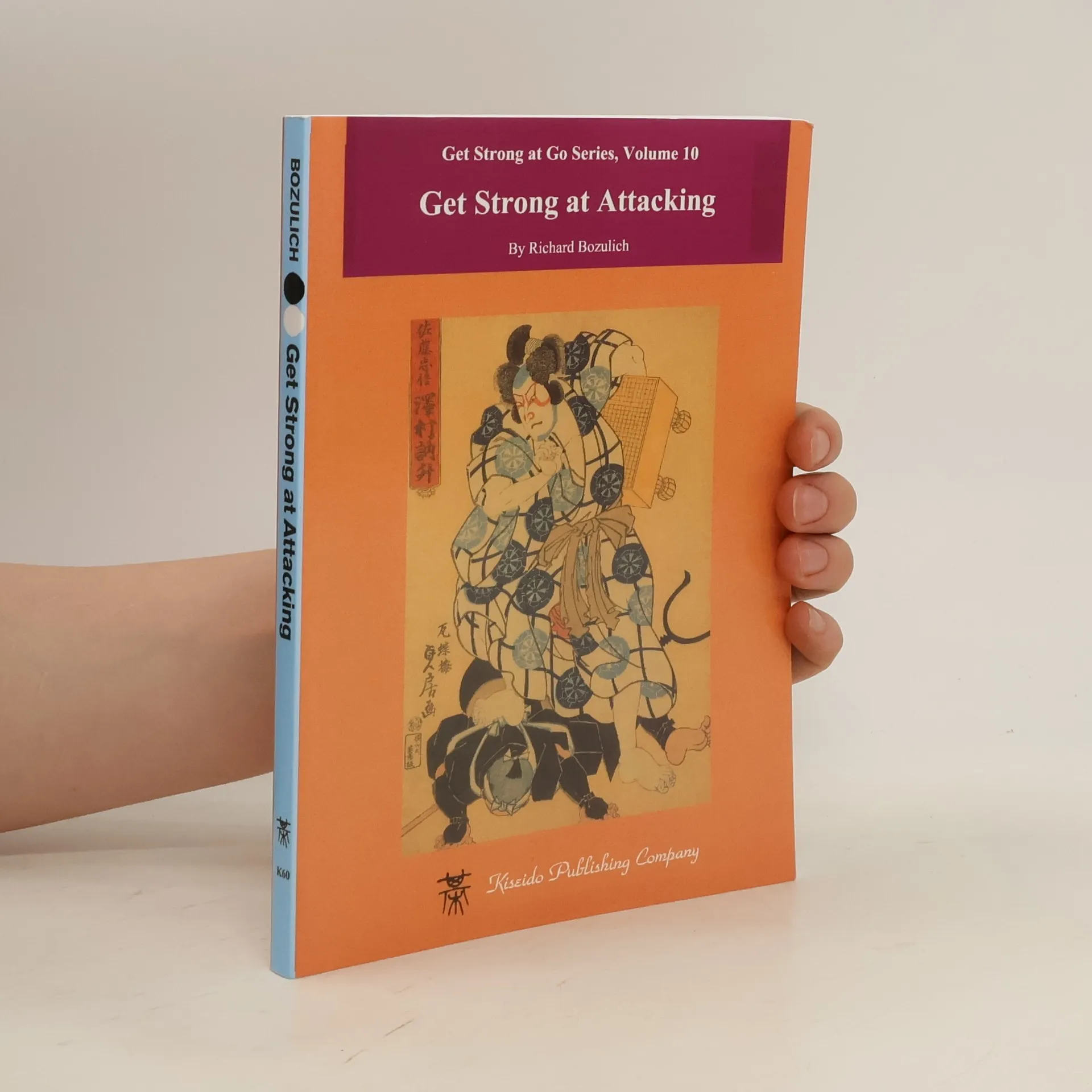
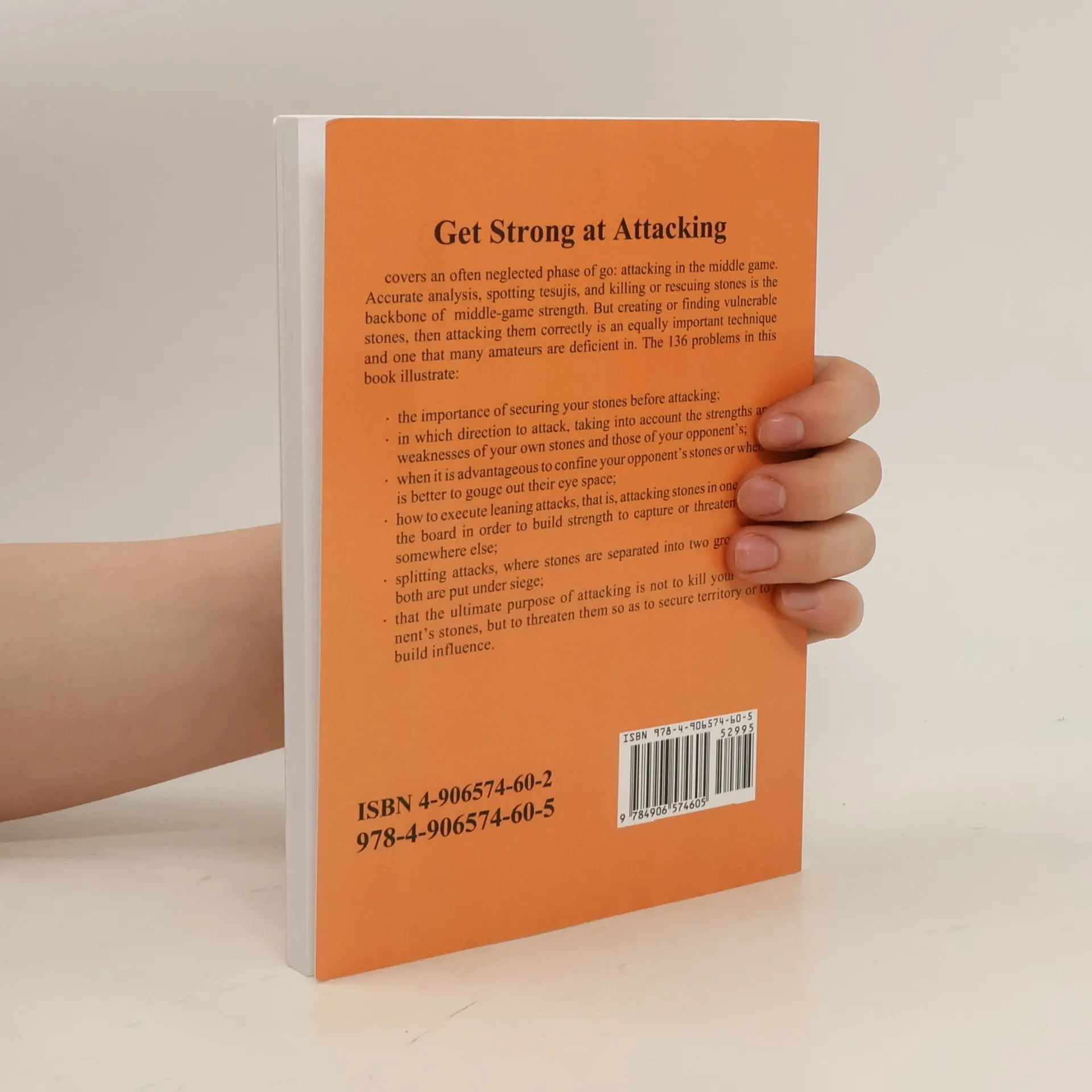
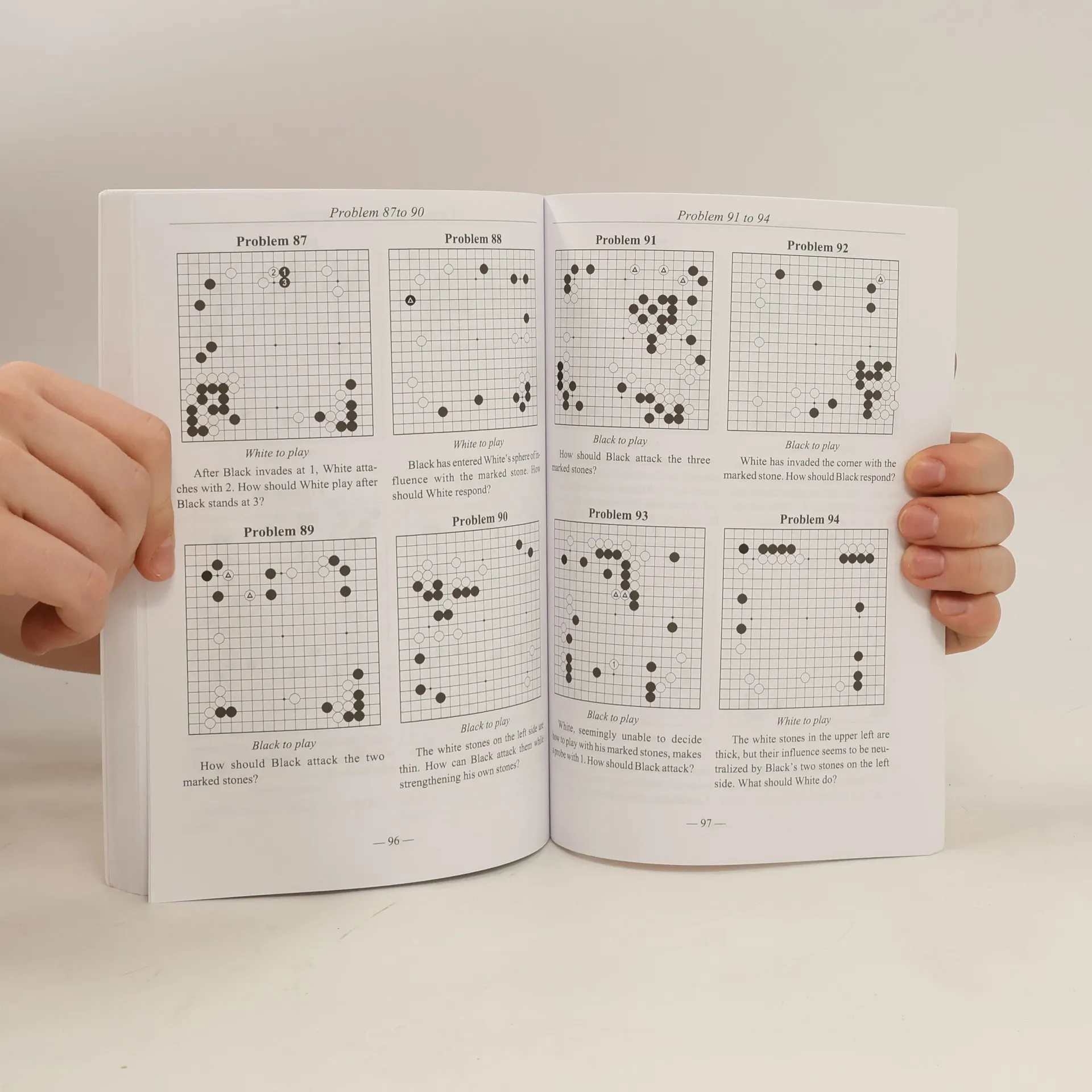
Get Strong at Attacking covers an often neglected phase of go: attacking in the middle game. Accurate analysis, spotting tesujis, and killing or rescuing stones are the backbone of middle-game strength. But creating or finding vulnerable stones, then attacking them correctly is an equally important technique and one that many amateurs are deficient in. The 136 problems in this book illustrate: - The importance of securing your own stones before attacking; in which direction to attack, taking into account the strength and weakness of your own stones and those of your opponent's; - When it is advantageous to confine your opponent's stones or when it is better to gouge out their eye space; - How to execute leaning attacks, that is, attacking stones in one part of the board in order to build strength to capture or threaten stones elsewhere; - Splitting attacks, where stones are separated into two groups and both are put under siege; - That the ultimate purpose of attacking is not to kill your opponent's stones but to threaten them so as to secure territory or build influence.
Book purchase
Get Strong at Attacking, Richard Bozulich
- Language

- Released
- 2000
- Binding
- (Paperback)
Payment methods
We’re missing your review here.
- Title
- Get Strong at Attacking
- Language
- English
- Authors
- Richard Bozulich
- Publisher
- Kiseido
- Released
- 2000
- Format
- Paperback
- ISBN10
- 4906574602
- ISBN13
- 9784906574605
- Series
- Categories
- Rating
- 4.25 out of 5
- Description
- Get Strong at Attacking covers an often neglected phase of go: attacking in the middle game. Accurate analysis, spotting tesujis, and killing or rescuing stones are the backbone of middle-game strength. But creating or finding vulnerable stones, then attacking them correctly is an equally important technique and one that many amateurs are deficient in. The 136 problems in this book illustrate: - The importance of securing your own stones before attacking; in which direction to attack, taking into account the strength and weakness of your own stones and those of your opponent's; - When it is advantageous to confine your opponent's stones or when it is better to gouge out their eye space; - How to execute leaning attacks, that is, attacking stones in one part of the board in order to build strength to capture or threaten stones elsewhere; - Splitting attacks, where stones are separated into two groups and both are put under siege; - That the ultimate purpose of attacking is not to kill your opponent's stones but to threaten them so as to secure territory or build influence.