

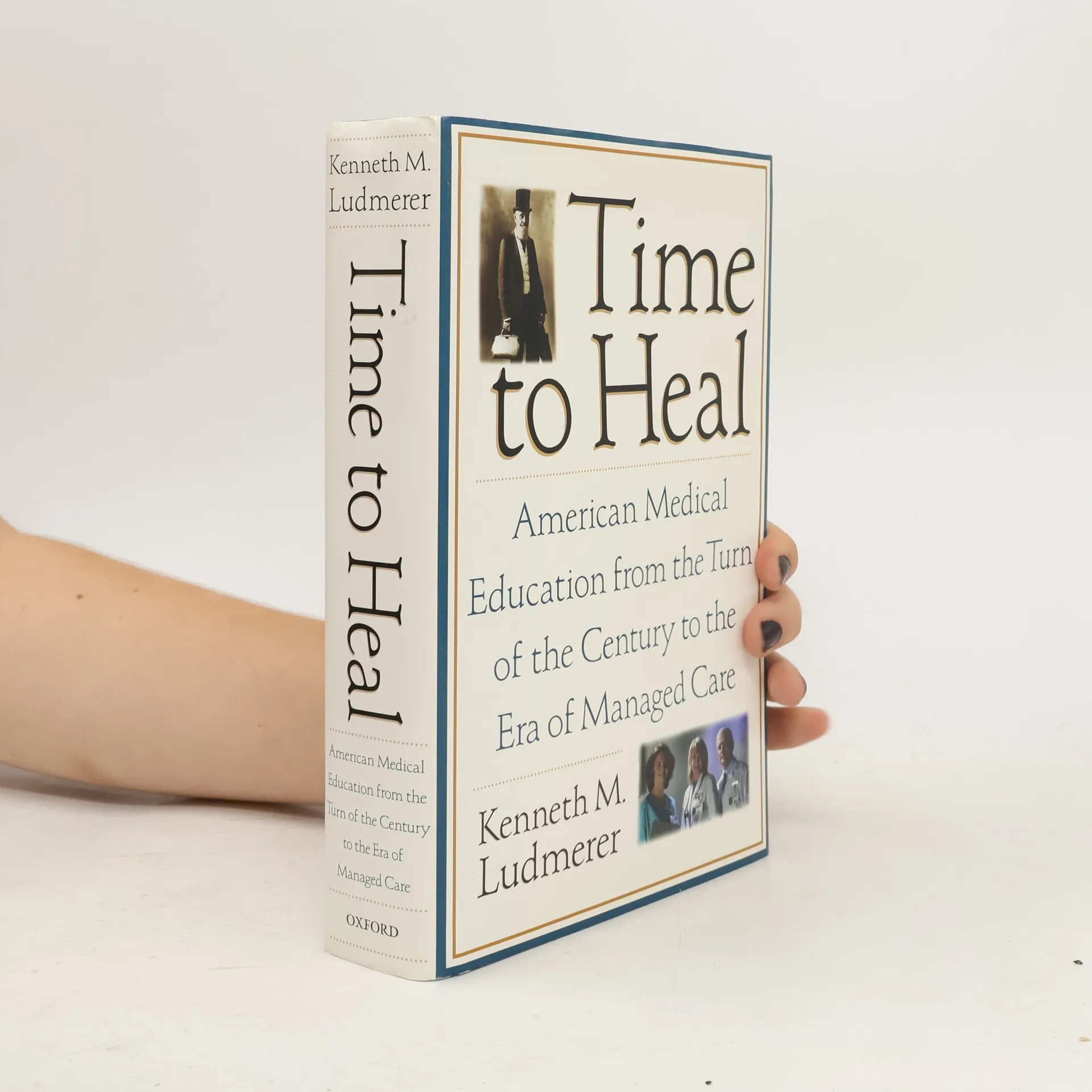


Time to Heal:American Medical Education from the Turn of the Century to the Era of Managed Care
American Medical Education from the Turn of the Century to the Era of Managed Care
Authors
Book rating
More about the book
"Kenneth M. Ludmerer describes the evolution of American medical education from 1910 - when a muck-raking report on medical diploma mills spurred the reform and expansion of medical schools - to the current era of managed care, when commercial interests once more have come to the fore, compromising the training of the nation's future doctors. Ludmerer portrays the experience of learning medicine from the perspective of students, house officers, faculty, administrators, and patients, and he traces the immense impact on academic medical centers of outside factors such as World War II, the National Institutes of Health, private medical insurance, and Medicare and Medicaid
Book purchase
Time to Heal:American Medical Education from the Turn of the Century to the Era of Managed Care, Kenneth M. Ludmerer
- Language

- Released
- 1999
- Binding
- (Hardcover)
Payment methods
We’re missing your review here.
- Title
- Time to Heal:American Medical Education from the Turn of the Century to the Era of Managed Care
- Subtitle
- American Medical Education from the Turn of the Century to the Era of Managed Care
- Language
- English
- Authors
- Kenneth M. Ludmerer
- Publisher
- Oxford University Press, USA
- Released
- 1999
- Format
- Hardcover
- Pages
- 544
- ISBN10
- 0195118375
- ISBN13
- 9780195118377
- Series
- Categories
- Tags
- Rating
- 4 out of 5
- Description
- "Kenneth M. Ludmerer describes the evolution of American medical education from 1910 - when a muck-raking report on medical diploma mills spurred the reform and expansion of medical schools - to the current era of managed care, when commercial interests once more have come to the fore, compromising the training of the nation's future doctors. Ludmerer portrays the experience of learning medicine from the perspective of students, house officers, faculty, administrators, and patients, and he traces the immense impact on academic medical centers of outside factors such as World War II, the National Institutes of Health, private medical insurance, and Medicare and Medicaid