



More about the book
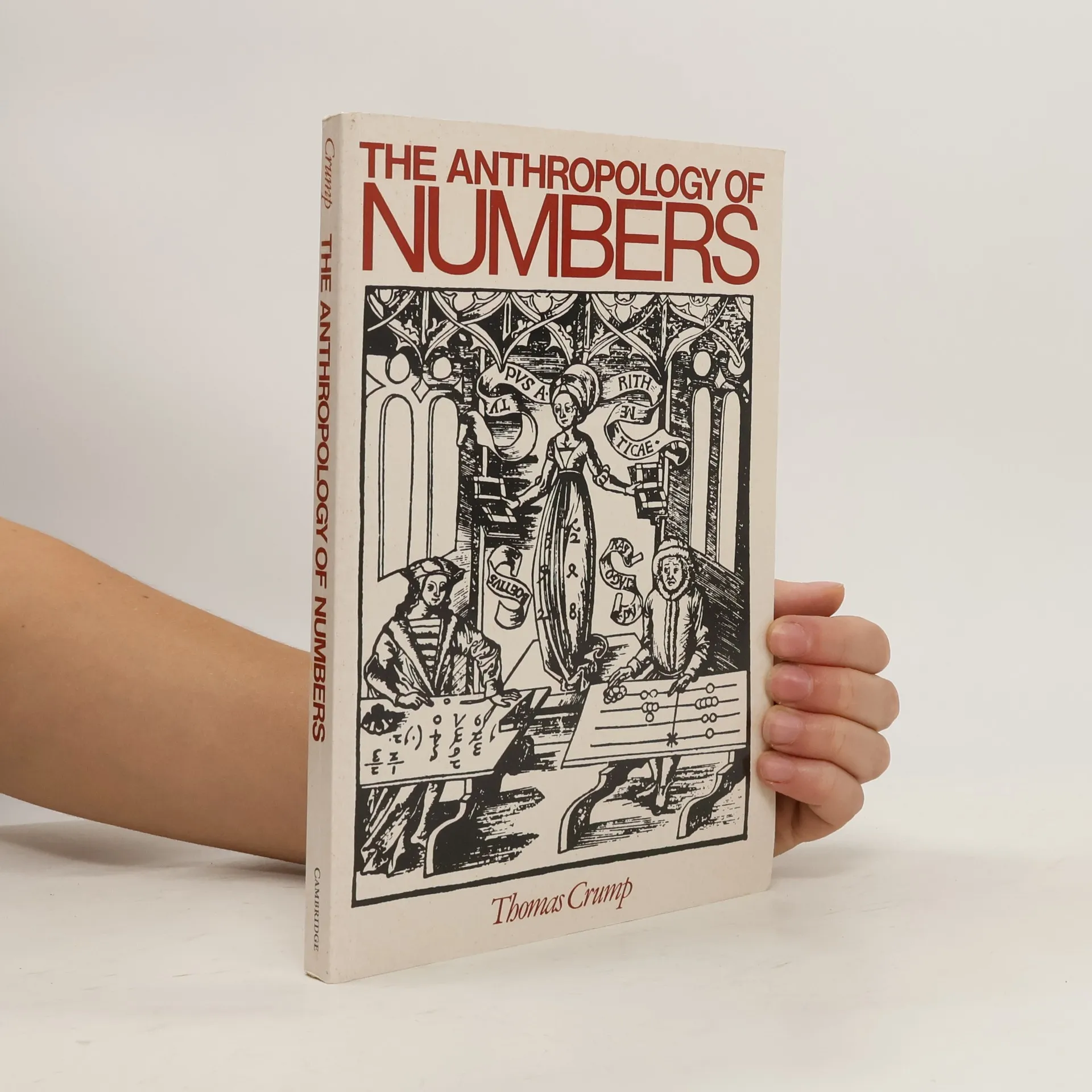
Numbers are an important feature of almost all known cultures. In this detailed anthropological study, Thomas Crump examines how people from a wide range of diverse cultures, and from different historical backgrounds, use and understand numbers. By looking at the logical, psychological and linguistic implications, he analyses how numbers operate within different contexts. The author goes on to consider the relationship of numbers to specific themes, such as ethnoscience, politics, measurement, time, money, music, games and architecture. The Anthropology of Numbers is an original contribution to scholarship, written in a clear and accessible style. It will be of interest to anthropologists who study cognition, symbolism, primitive thought and classification, and to those in adjacent disciplines of psychology, cognitive science and mathematical social science.
Book purchase
The Anthropology of Numbers, Thomas Crump
- Language

- Released
- 1992
- Binding
- (Hardcover)
Payment methods
We’re missing your review here.
- Title
- The Anthropology of Numbers
- Language
- English
- Authors
- Thomas Crump
- Publisher
- Cambridge University Press
- Released
- 1992
- Format
- Hardcover
- Pages
- 216
- ISBN10
- 0521438071
- ISBN13
- 9780521438070
- Series
- Categories
- Tags
- Rating
- 3 out of 5
- Description
- Numbers are an important feature of almost all known cultures. In this detailed anthropological study, Thomas Crump examines how people from a wide range of diverse cultures, and from different historical backgrounds, use and understand numbers. By looking at the logical, psychological and linguistic implications, he analyses how numbers operate within different contexts. The author goes on to consider the relationship of numbers to specific themes, such as ethnoscience, politics, measurement, time, money, music, games and architecture. The Anthropology of Numbers is an original contribution to scholarship, written in a clear and accessible style. It will be of interest to anthropologists who study cognition, symbolism, primitive thought and classification, and to those in adjacent disciplines of psychology, cognitive science and mathematical social science.