

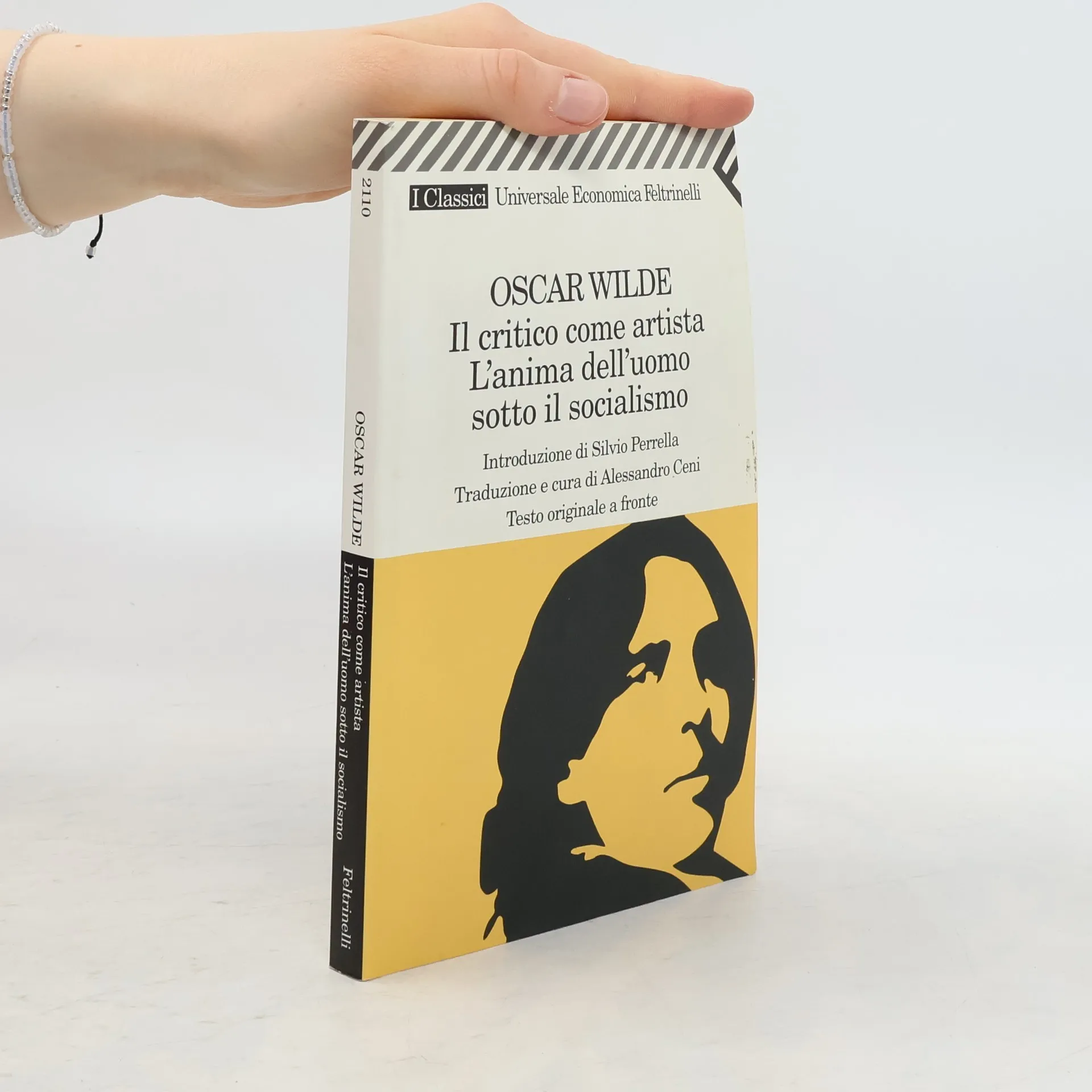
Il critico come artista. L'anima dell'uomo sotto il socialismo. Testo originale a fronte
Authors
Book rating
More about the book
These two essays by Oscar Wilde are true literary gems and are part of the collection Intentions from 1891. The Critic as Artist (1890), originally titled The True Function and Value of Criticism, is written in the form of a dialogue between two friends on a starry night. Gilbert (who embodies Wilde's ideas) and Ernest discuss the meaning of art criticism. Wilde argues that all art is immoral and all thought is dangerous; criticism is more creative than creation; the highest criticism reveals in the work of art what the artist did not put there; the true critic is unjust, insincere, and irrational. For Wilde, art and criticism have a subversive value and stand in opposition to society. This leads to the second essay, The Soul of Man Under Socialism (1891), where Wilde expresses, perhaps in response to George Bernard Shaw's socialism, his anarchistic ideas (as he admired the Russian anarchist Kropotkin): the abolition of private property, but also of marriage; an attack on all forms of government and all forms of economic organization (including collectivism).
Book purchase
Il critico come artista. L'anima dell'uomo sotto il socialismo. Testo originale a fronte, Oscar Wilde
- Language

- Released
- 2005
Payment methods
We’re missing your review here.
- Title
- Il critico come artista. L'anima dell'uomo sotto il socialismo. Testo originale a fronte
- Language
- English
- Authors
- Oscar Wilde
- Publisher
- Feltrinelli
- Released
- 2005
- Pages
- 223
- ISBN10
- 8807821109
- ISBN13
- 9788807821103
- Series
- Rating
- 4 out of 5
- Description
- These two essays by Oscar Wilde are true literary gems and are part of the collection Intentions from 1891. The Critic as Artist (1890), originally titled The True Function and Value of Criticism, is written in the form of a dialogue between two friends on a starry night. Gilbert (who embodies Wilde's ideas) and Ernest discuss the meaning of art criticism. Wilde argues that all art is immoral and all thought is dangerous; criticism is more creative than creation; the highest criticism reveals in the work of art what the artist did not put there; the true critic is unjust, insincere, and irrational. For Wilde, art and criticism have a subversive value and stand in opposition to society. This leads to the second essay, The Soul of Man Under Socialism (1891), where Wilde expresses, perhaps in response to George Bernard Shaw's socialism, his anarchistic ideas (as he admired the Russian anarchist Kropotkin): the abolition of private property, but also of marriage; an attack on all forms of government and all forms of economic organization (including collectivism).