


More about the book
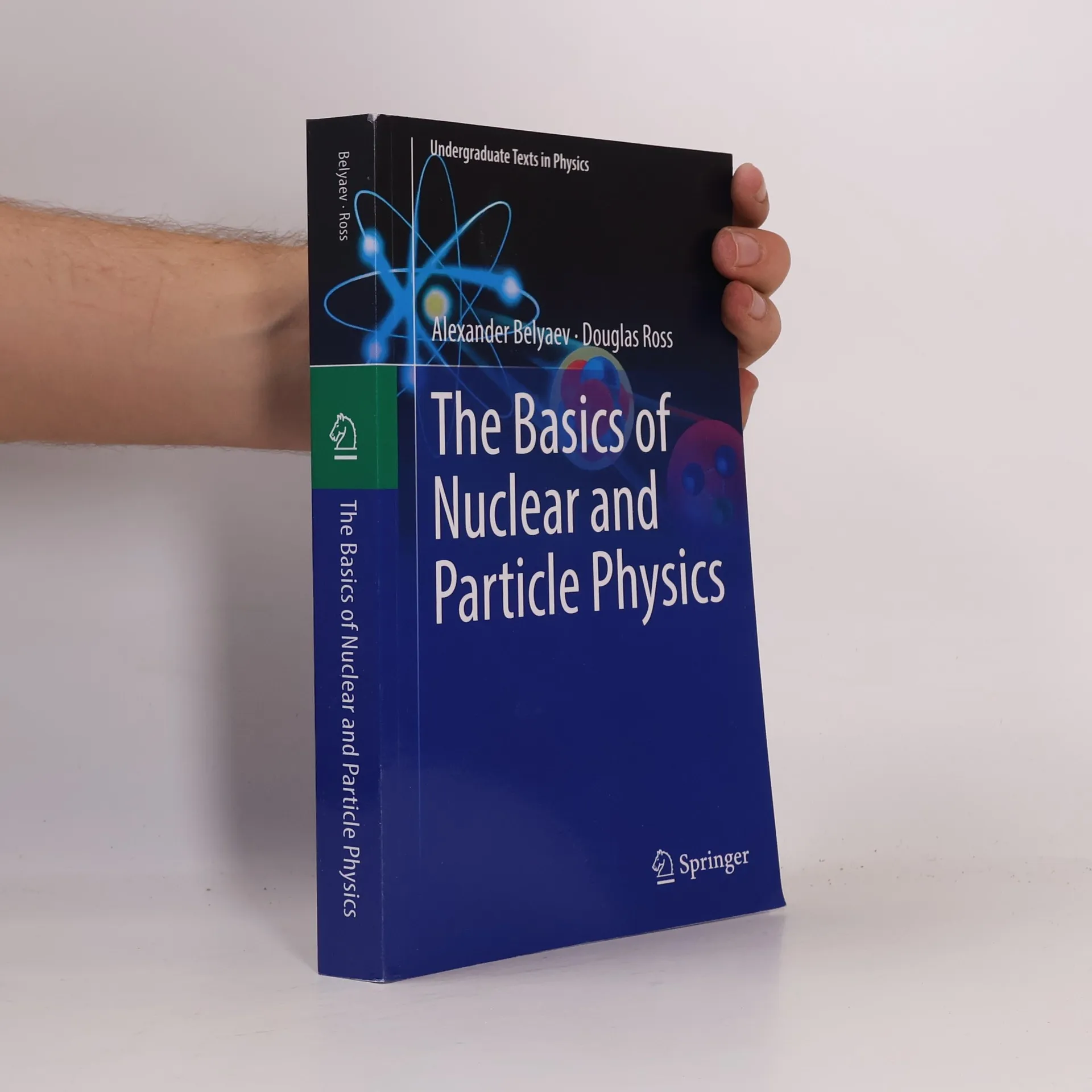
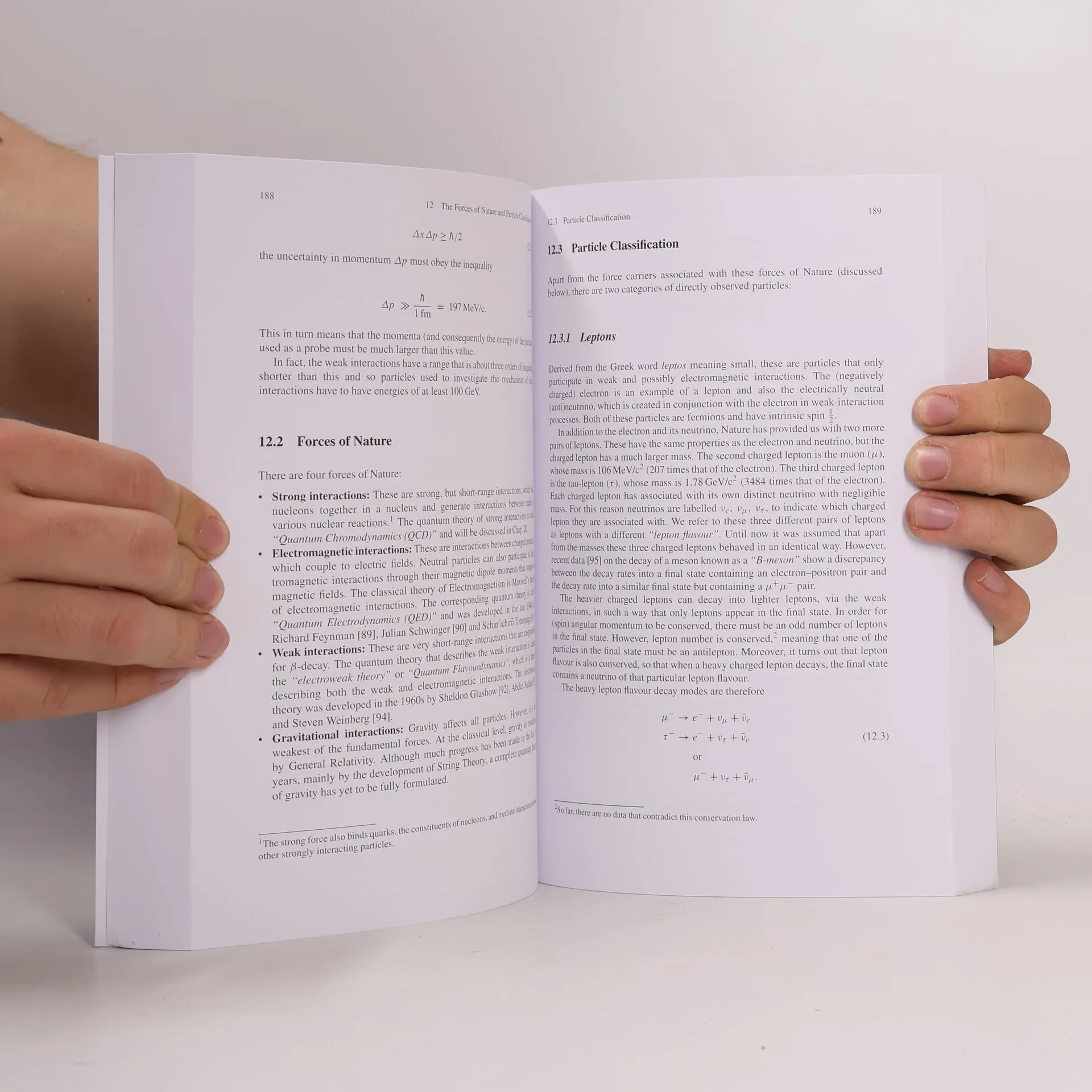
This undergraduate textbook breaks down the basics of Nuclear Structure and modern Particle Physics. Based on a comprehensive set of course notes, it covers all the introductory material and latest research developments required by third- and fourth-year physics students. The textbook is divided into two parts. Part I deals with Nuclear Structure, while Part II delves into Particle Physics. Each section contains the most recent science in the field, including experimental data and research on the properties of the top quark and Higgs boson. Detailed mathematical derivations are provided where necessary to helps students grasp the physics at a deeper level. Many of these have been conveniently placed in the Appendices and can be omitted if desired. Each chapter ends with a brief summary and includes a number of practice problems, the answers to which are also provided.
Book purchase
The Basics of Nuclear and Particle Physics, Alexander Belyaev, Douglas Ross
- Language

- Released
- 2021
- Binding
- (Paperback)
Payment methods
We’re missing your review here.
- Title
- The Basics of Nuclear and Particle Physics
- Language
- English
- Authors
- Alexander Belyaev, Douglas Ross
- Publisher
- Springer
- Released
- 2021
- Format
- Paperback
- ISBN10
- 3030801152
- ISBN13
- 9783030801151
- Series
- Rating
- 5 out of 5
- Description
- This undergraduate textbook breaks down the basics of Nuclear Structure and modern Particle Physics. Based on a comprehensive set of course notes, it covers all the introductory material and latest research developments required by third- and fourth-year physics students. The textbook is divided into two parts. Part I deals with Nuclear Structure, while Part II delves into Particle Physics. Each section contains the most recent science in the field, including experimental data and research on the properties of the top quark and Higgs boson. Detailed mathematical derivations are provided where necessary to helps students grasp the physics at a deeper level. Many of these have been conveniently placed in the Appendices and can be omitted if desired. Each chapter ends with a brief summary and includes a number of practice problems, the answers to which are also provided.