

More about the book
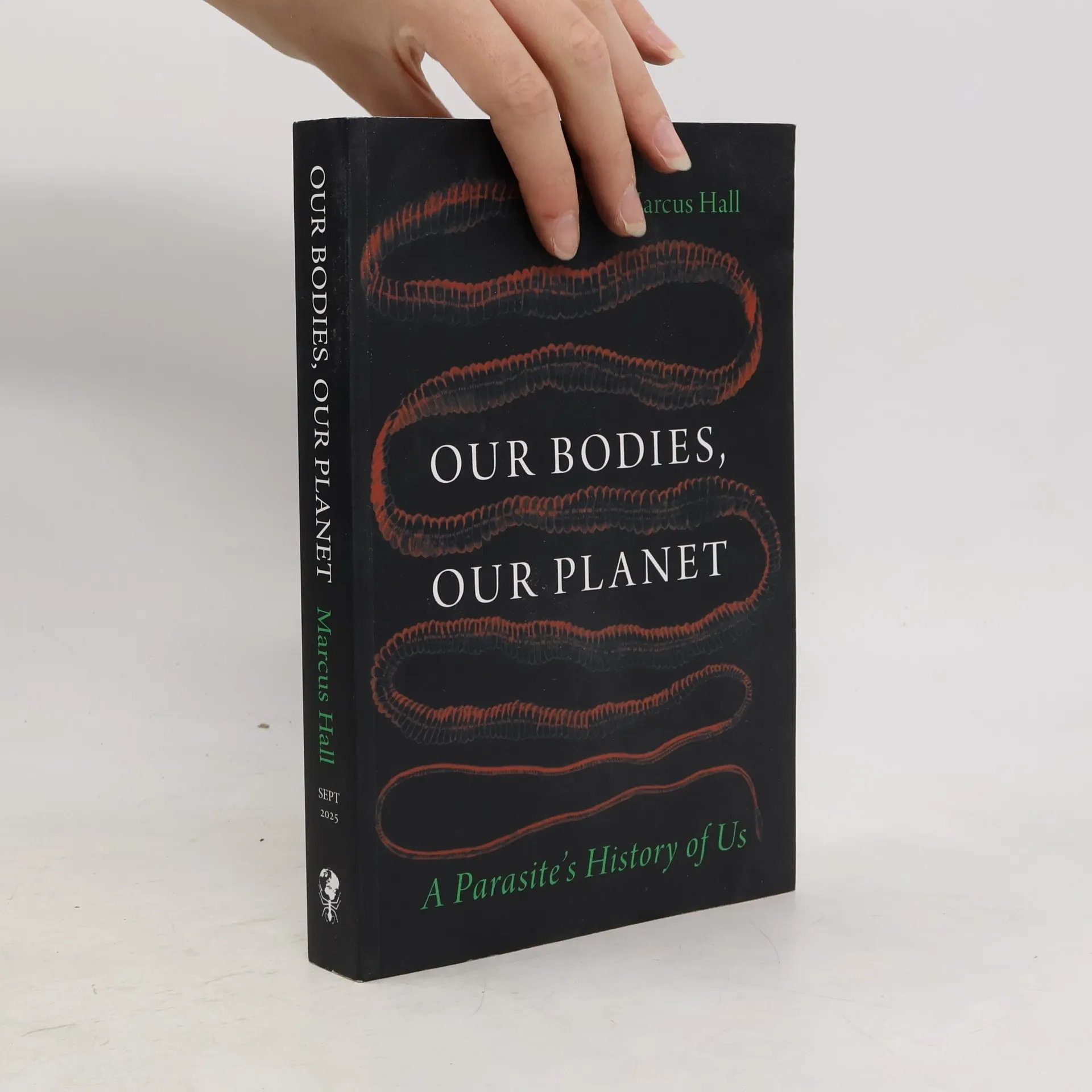
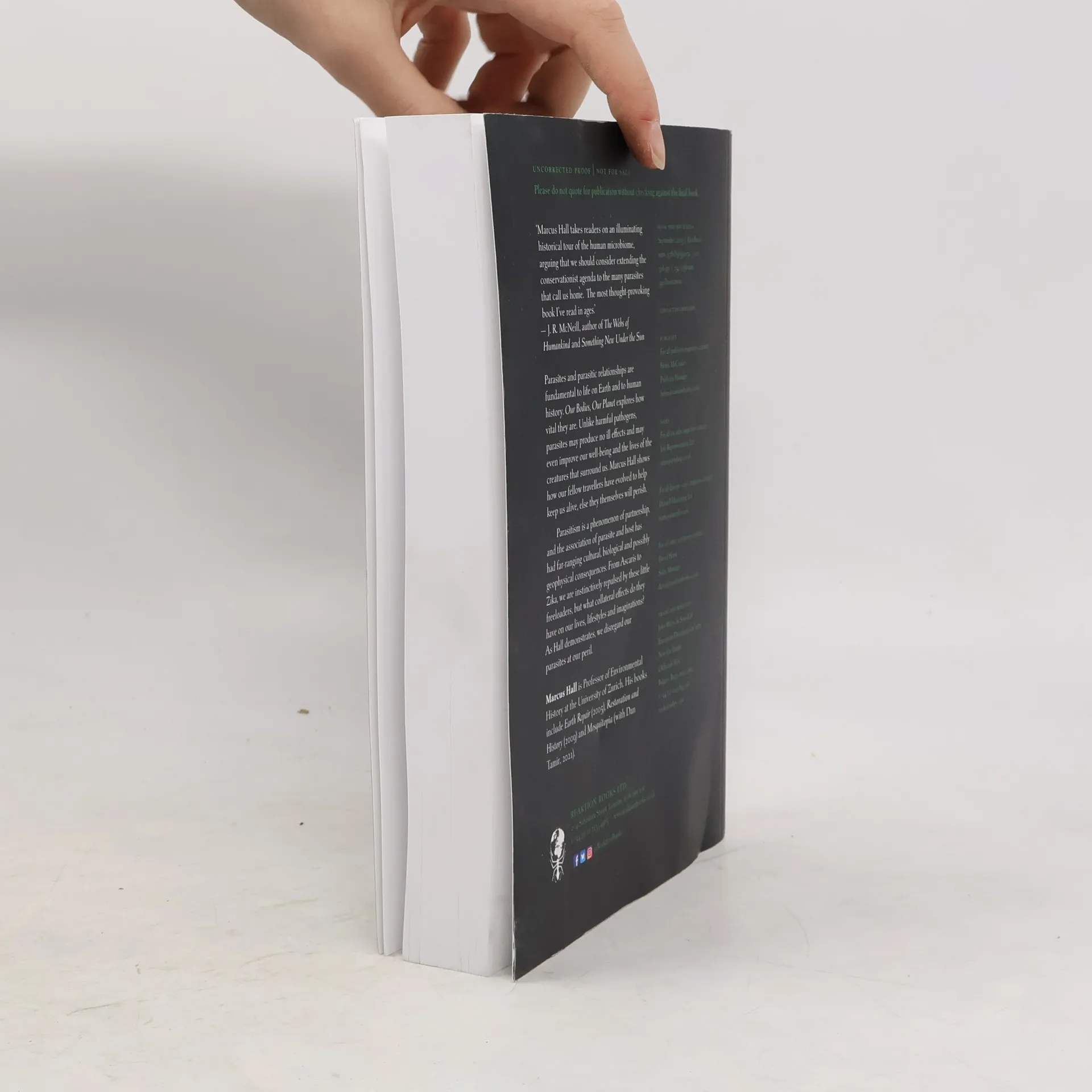
Parasites and parasitic relationships are fundamental to life on Earth and to human history. Our Bodies, Our Planet explores how vital they are. Unlike harmful pathogens, parasites may produce no ill effects and may even improve our well-being and the lives of the creatures that surround us. Marcus Hall shows how our fellow travellers have evolved to help keep us alive, else they themselves will perish. Parasitism is a phenomenon of partnership, and the association of parasite and host has had far-ranging cultural, biological and possibly geophysical consequences. From Ascaris to Zika, we are instinctively repulsed by these little freeloaders, but what collateral effects do they have on our lives, lifestyles and imaginations? As Hall demonstrates, we disregard our parasites at our peril.
Book purchase
Our Bodies, Our Planet, Marcus Hall
- Language

- Released
- 2025
- Binding
- (Paperback)
Payment methods
We’re missing your review here.
- Title
- Our Bodies, Our Planet
- Subtitle
- A Parasite's History of Us
- Language
- English
- Authors
- Marcus Hall
- Publisher
- Reaktion Books
- Released
- 2025
- Format
- Paperback
- Pages
- 320
- ISBN10
- 1836391072
- ISBN13
- 9781836391074
- Series
- Categories
- Rating
- 4.65 out of 5
- Description
- Parasites and parasitic relationships are fundamental to life on Earth and to human history. Our Bodies, Our Planet explores how vital they are. Unlike harmful pathogens, parasites may produce no ill effects and may even improve our well-being and the lives of the creatures that surround us. Marcus Hall shows how our fellow travellers have evolved to help keep us alive, else they themselves will perish. Parasitism is a phenomenon of partnership, and the association of parasite and host has had far-ranging cultural, biological and possibly geophysical consequences. From Ascaris to Zika, we are instinctively repulsed by these little freeloaders, but what collateral effects do they have on our lives, lifestyles and imaginations? As Hall demonstrates, we disregard our parasites at our peril.