

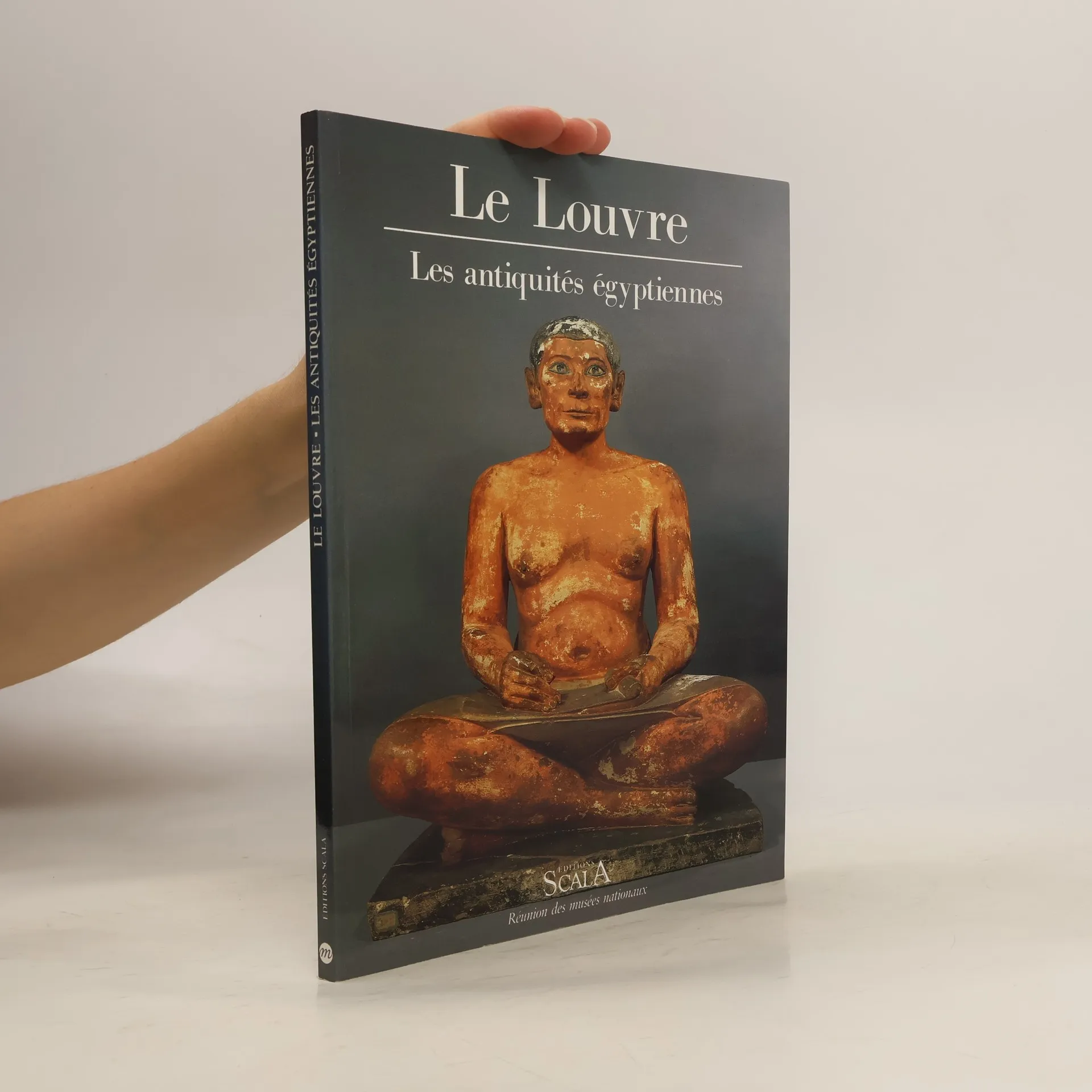
Le Louvre
Les antiquités égyptiennes
More about the book
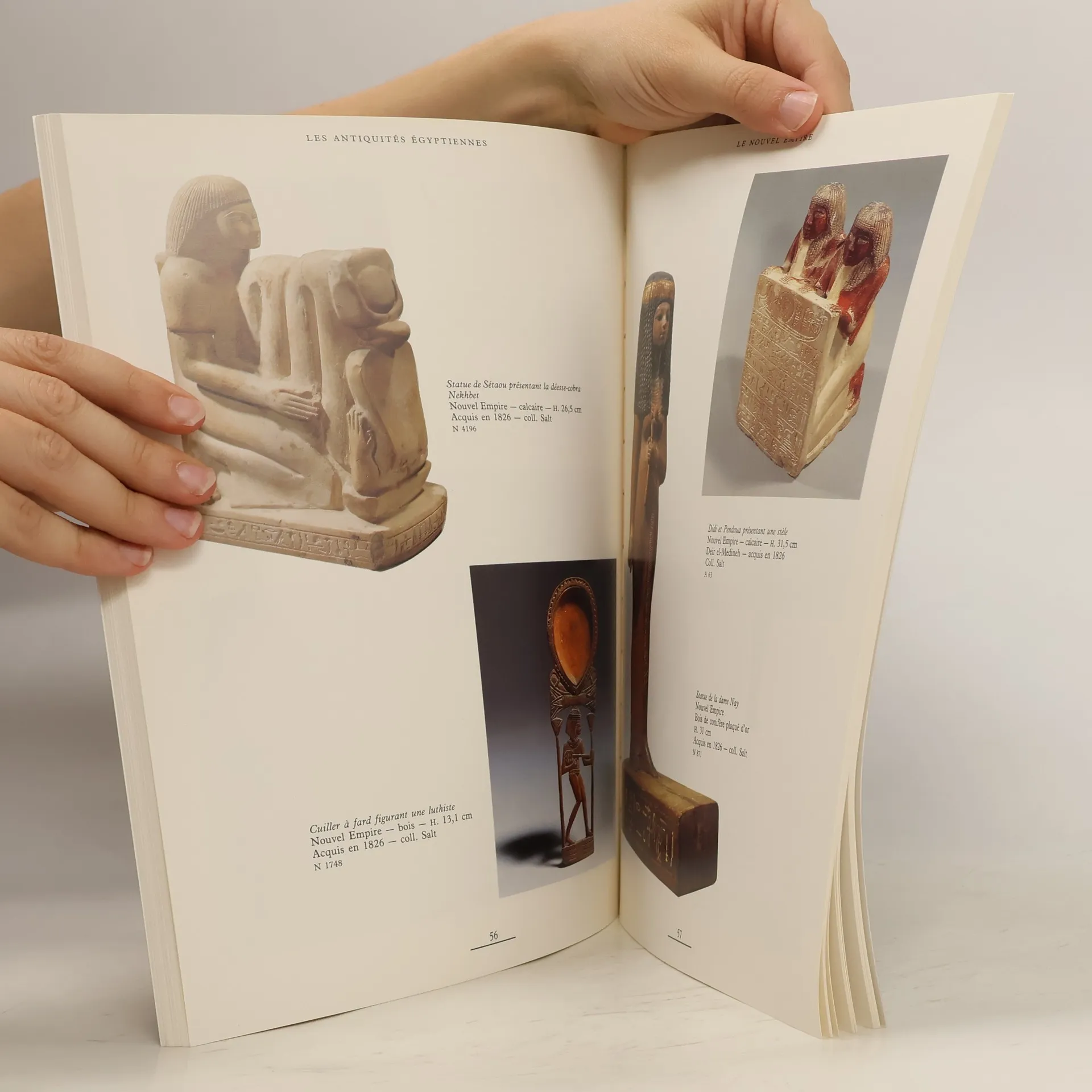
With more than 55,000 objects, the Department of Egyptian Antiquities in the Louvre is one of the most splendid collections in the world. Of exceptional value and variety, it reveals the evolution of Pharaonic statuary and architecture as well as illustrating Egyptian funerary rites and everyday life in detail. The Department was the brainchild of Jean-François Champollion, the pioneer Egyptologist famous as the decipherer of Egyptian hieroglyphics. On his initiative the collection of 4,000 objects that had been amassed by the British consul, Salt, was bought by France and became the nucleus of the Louvre collections. When Champollion died in 1832, the Louvre already possessed more than 9,000 pieces. Since then, the collection has not ceased to expand, enriched by donations, purchases and excavation finds. The recent redesign allows a new original presentation: on the first floor, outstanding works allow the visitor to walk through 4,000 years of art history. On the groundfloor, a thematic presentation, unique in the Louvre, highlights and explains the principal aspects of pharaonic civilization. This book presents the key works exhibited in the Grand Louvre with an emphasis on daily life in ancient Egypt.
Book purchase
Le Louvre, Christophe Barbotin, Christiane Mariane von Ziegler, Marie-Hélène Rutschowscaya
- Language

- Released
- 1990
- Binding
- (Hardcover)
Payment methods
No one has rated yet.
- Title
- Le Louvre
- Subtitle
- Les antiquités égyptiennes
- Language
- English
- Publisher
- Scala
- Released
- 1990
- Format
- Hardcover
- Pages
- 95
- ISBN10
- 2711823849
- ISBN13
- 9782711823840
- Series
- Categories
- Tags
- Archaeology, Egypt
- Description
- With more than 55,000 objects, the Department of Egyptian Antiquities in the Louvre is one of the most splendid collections in the world. Of exceptional value and variety, it reveals the evolution of Pharaonic statuary and architecture as well as illustrating Egyptian funerary rites and everyday life in detail. The Department was the brainchild of Jean-François Champollion, the pioneer Egyptologist famous as the decipherer of Egyptian hieroglyphics. On his initiative the collection of 4,000 objects that had been amassed by the British consul, Salt, was bought by France and became the nucleus of the Louvre collections. When Champollion died in 1832, the Louvre already possessed more than 9,000 pieces. Since then, the collection has not ceased to expand, enriched by donations, purchases and excavation finds. The recent redesign allows a new original presentation: on the first floor, outstanding works allow the visitor to walk through 4,000 years of art history. On the groundfloor, a thematic presentation, unique in the Louvre, highlights and explains the principal aspects of pharaonic civilization. This book presents the key works exhibited in the Grand Louvre with an emphasis on daily life in ancient Egypt.