


Parameters
More about the book
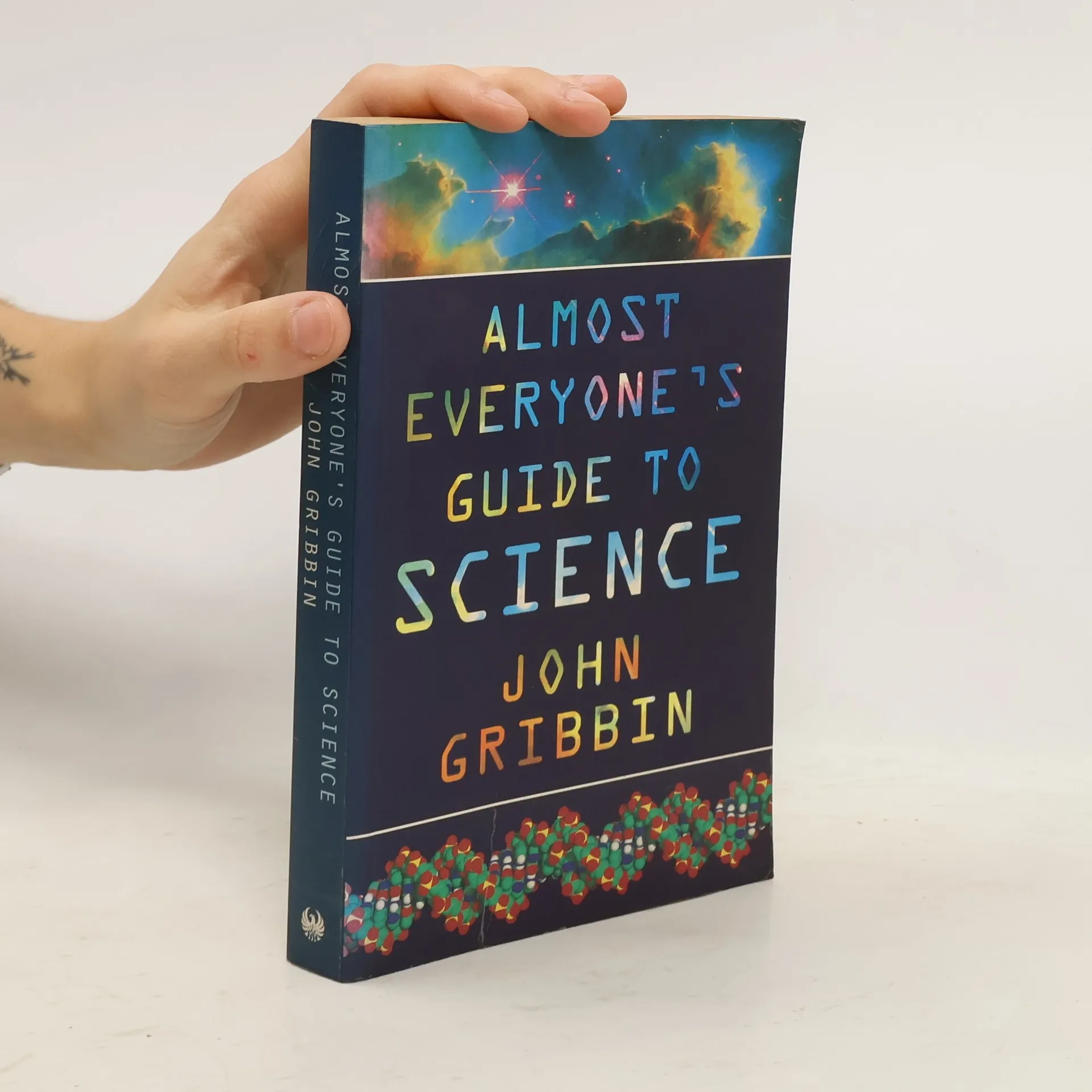
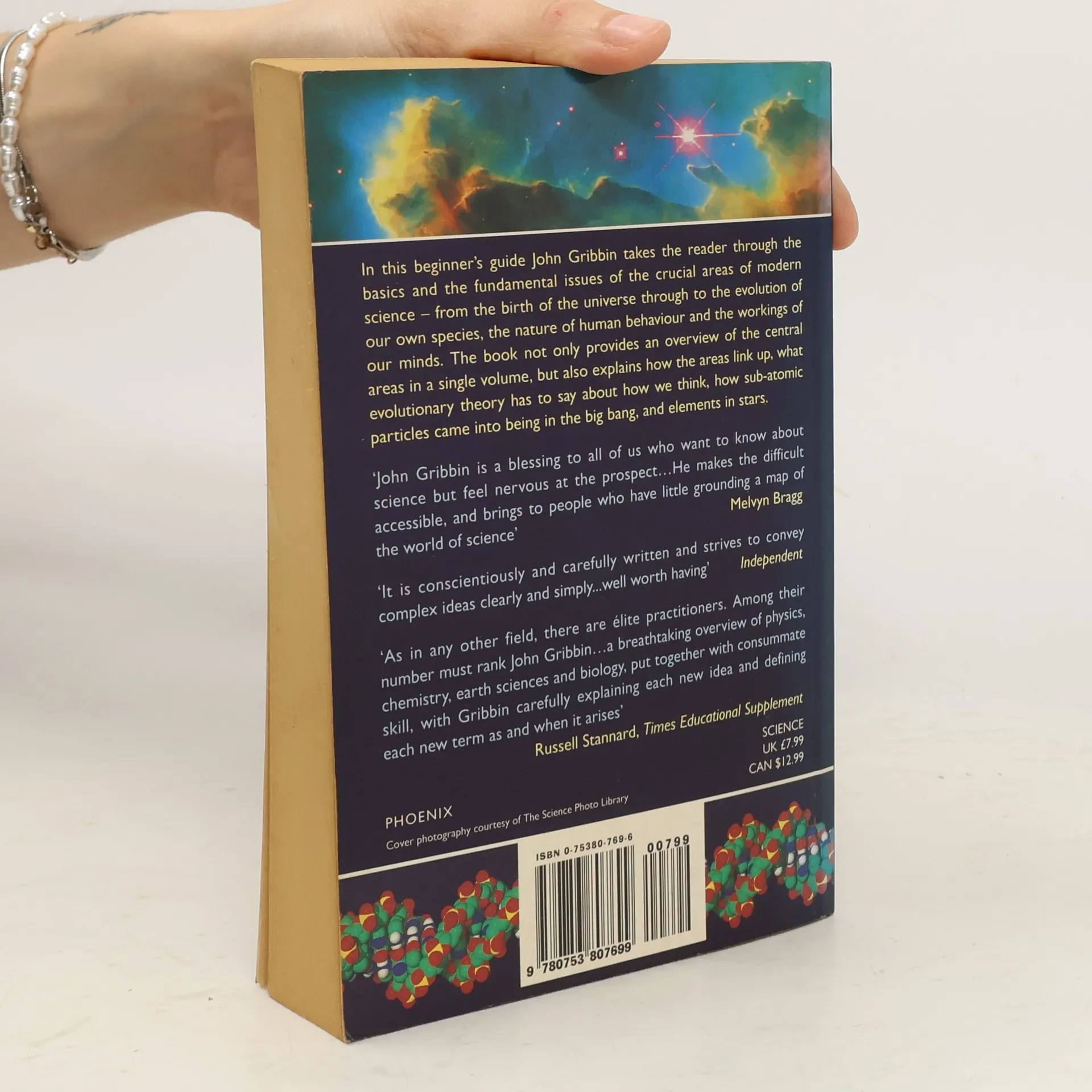
An introduction to the central facts, evidence and issues of modern science - from black holes to DNA, from the big bang to the workings of the brain John Gribbin is one of the few science writers who is equally comfortable writing about biology as about physics, and this beginner's guide will take the reader through the basics and the fundamental issues of the crucial areas of modern science, from the birth of the universe through to the evolution of our own species, the nature of human behaviour and the workings of our minds. Crucially, the book will not only provide an overview of the central areas in a single volume, but also explain how the areas link up, what evolutionary theory has to say about how we think, how sub-atomic particles came into being in the big bang, and atoms in stars.
Book purchase
Almost Everyone's Guide to Science, John Gribbin
- Language

- Released
- 1999
- Binding
- (Paperback)
Payment methods
We’re missing your review here.
- Title
- Almost Everyone's Guide to Science
- Subtitle
- The Universe, Life and Everything
- Language
- English
- Authors
- John Gribbin
- Publisher
- Phoenix
- Released
- 1999
- Format
- Paperback
- ISBN10
- 0753807696
- ISBN13
- 9780753807699
- Series
- Categories
- Rating
- 3.85 out of 5
- Description
- An introduction to the central facts, evidence and issues of modern science - from black holes to DNA, from the big bang to the workings of the brain John Gribbin is one of the few science writers who is equally comfortable writing about biology as about physics, and this beginner's guide will take the reader through the basics and the fundamental issues of the crucial areas of modern science, from the birth of the universe through to the evolution of our own species, the nature of human behaviour and the workings of our minds. Crucially, the book will not only provide an overview of the central areas in a single volume, but also explain how the areas link up, what evolutionary theory has to say about how we think, how sub-atomic particles came into being in the big bang, and atoms in stars.