

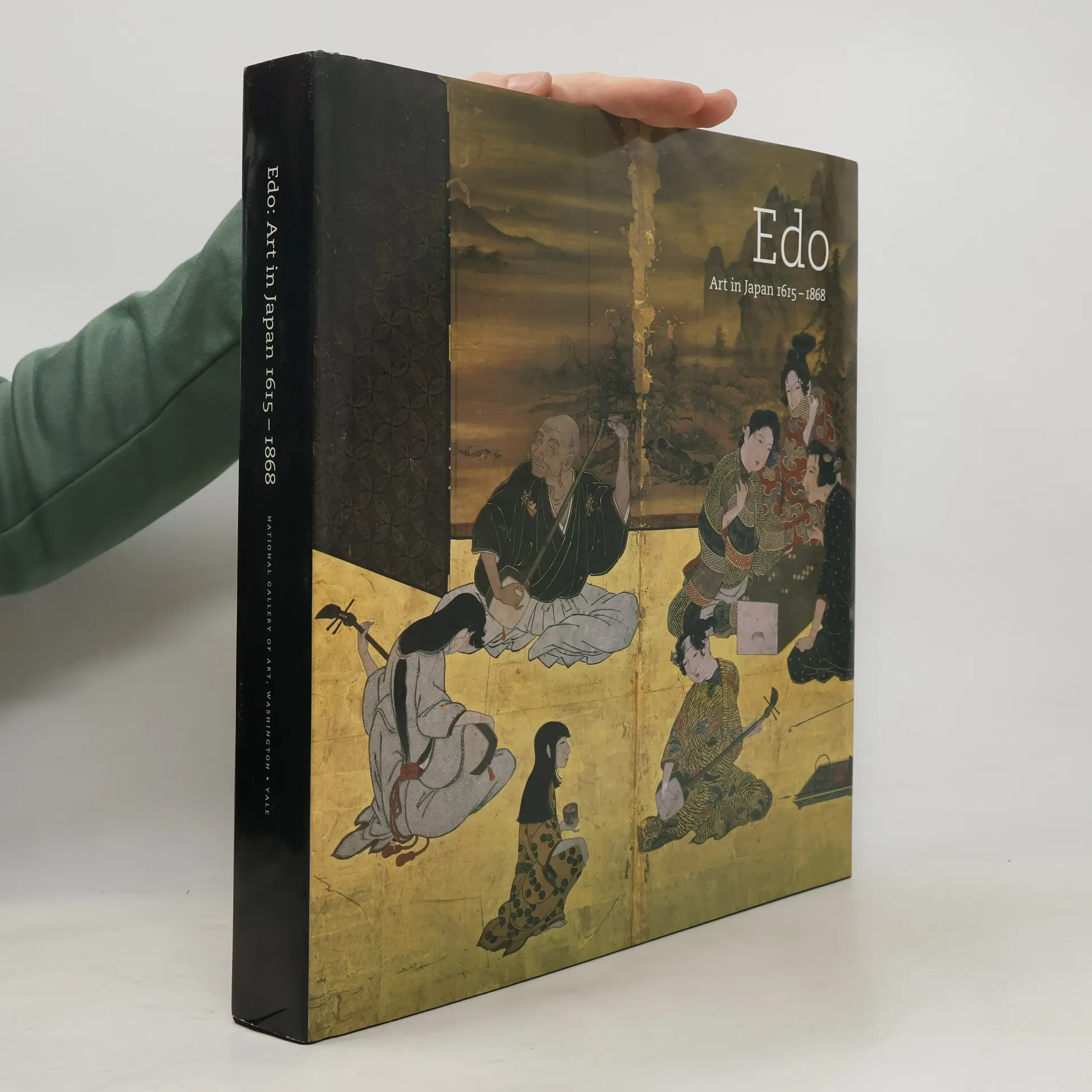


Edo
Art in Japan 1615-1868
Book rating
More about the book
The Western understanding of traditional Japanese art is almost wholly based on works from the Edo period, an era of splendor and innovation in the arts. One hallmark of Edo art is the lack of distinction between "high art" and "craft": an artist was as likely to paint on lacquer, ceramic, or textile as on paper or silk. This gorgeous book presents examples of Edo art in all media and across social boundaries -- from paintings of nature and city life on gold-leaf screens to wood-block images of Kabuki actors and courtesans, from Zen paintings and calligraphy to spectacular helmets and armor for the samurai, from brilliantly colored porcelains to textiles made for Noh theater, Kyogen comedy, and affluent women of the merchant class.Works are grouped thematically into such areas as festivals, warrior arts, religious beliefs, travel, play, and courtly traditions, and essays written by experts in the field address these various themes, placing the works in the context of the times. The book also provides entries on the individual objects reproduced.
Book purchase
Edo, John Carpenter, National Gallery of Art (U.S.), Robert T. Singer
- Language

- Released
- 1998
- Binding
- (Hardcover)
Payment methods
We’re missing your review here.
- Title
- Edo
- Subtitle
- Art in Japan 1615-1868
- Language
- English
- Publisher
- National Gallery Washington
- Released
- 1998
- Format
- Hardcover
- Pages
- 480
- ISBN10
- 0300077963
- ISBN13
- 9780300077964
- Series
- Categories
- Tags
- Art
- Rating
- 4.3 out of 5
- Description
- The Western understanding of traditional Japanese art is almost wholly based on works from the Edo period, an era of splendor and innovation in the arts. One hallmark of Edo art is the lack of distinction between "high art" and "craft": an artist was as likely to paint on lacquer, ceramic, or textile as on paper or silk. This gorgeous book presents examples of Edo art in all media and across social boundaries -- from paintings of nature and city life on gold-leaf screens to wood-block images of Kabuki actors and courtesans, from Zen paintings and calligraphy to spectacular helmets and armor for the samurai, from brilliantly colored porcelains to textiles made for Noh theater, Kyogen comedy, and affluent women of the merchant class.Works are grouped thematically into such areas as festivals, warrior arts, religious beliefs, travel, play, and courtly traditions, and essays written by experts in the field address these various themes, placing the works in the context of the times. The book also provides entries on the individual objects reproduced.