

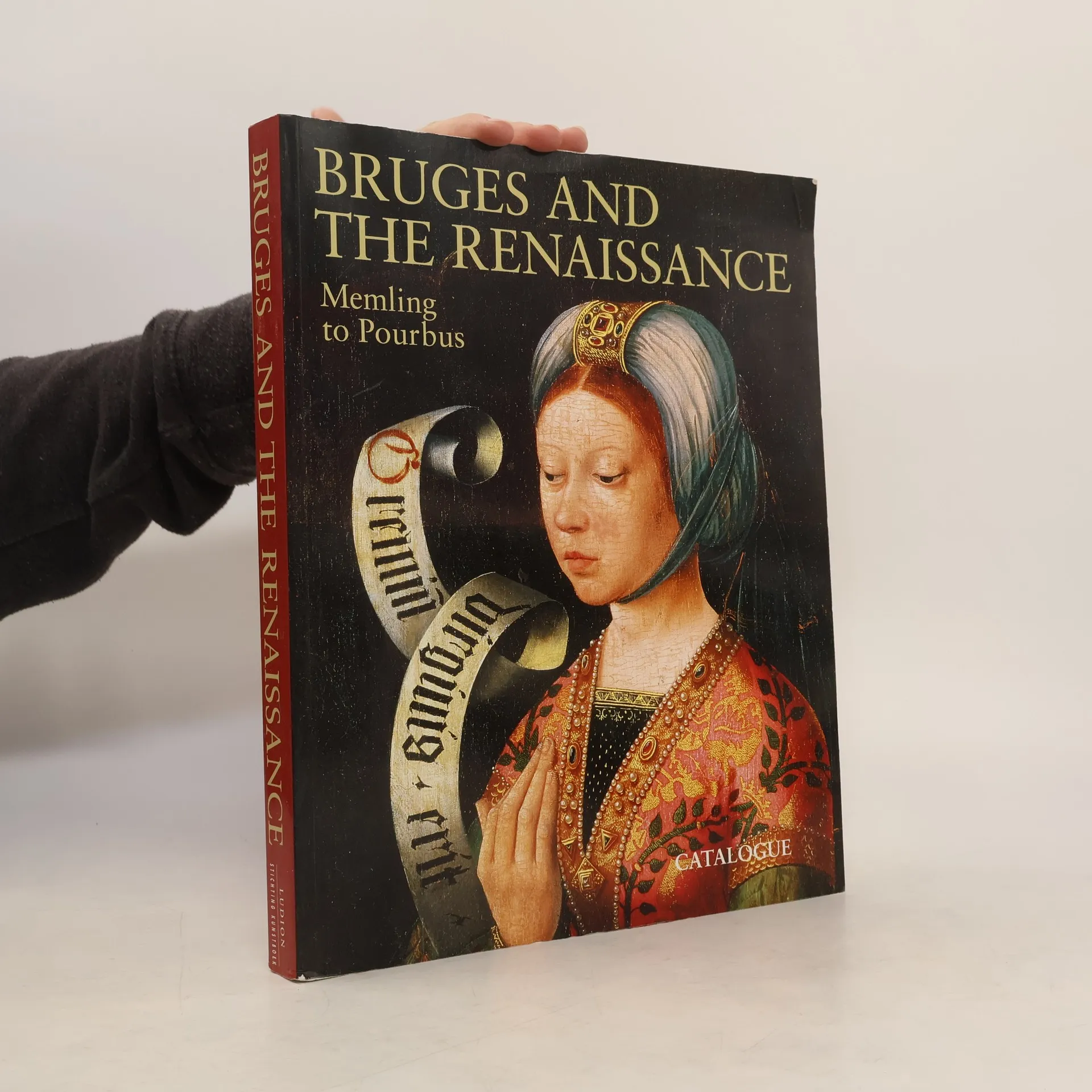
Bruges and the Renaissance
Memling to Pourbus
Authors
More about the book
In the 16th century, the Belgian city of Bruges was invariably depicted in art and literature as a great artistic center and economic hub -- the vibrant and sophisticated "Athens of the North" in which humanist ideas took root and flourished.This fascinating and wide-ranging study opens in 1494, when artists Hans Memling and Gerard David settled in Bruges, and ends in 1584, when Pieter Pourbus arrived in the port city. Essays explore the artistic developments that occurred in the intervening nine decades, with a focus on the spread of ideas from the Italian Renaissance to northern Europe. Through trade, the migration of artists, and the circulation of artworks, new intellectual and aesthetic standards seeped into local artists' work, resulting in the glorious images reproduced in this volume.
Book purchase
Bruges and the Renaissance, Maximiliaan P. J Martens
- Language

- Released
- 1998
- Binding
- (Hardcover)
Payment methods
No one has rated yet.
- Title
- Bruges and the Renaissance
- Subtitle
- Memling to Pourbus
- Language
- English
- Authors
- Maximiliaan P. J Martens
- Publisher
- Ludion
- Released
- 1998
- Format
- Hardcover
- Pages
- 319
- ISBN10
- 905544233X
- ISBN13
- 9789055442331
- Series
- Categories
- Tags
- Art
- Description
- In the 16th century, the Belgian city of Bruges was invariably depicted in art and literature as a great artistic center and economic hub -- the vibrant and sophisticated "Athens of the North" in which humanist ideas took root and flourished.This fascinating and wide-ranging study opens in 1494, when artists Hans Memling and Gerard David settled in Bruges, and ends in 1584, when Pieter Pourbus arrived in the port city. Essays explore the artistic developments that occurred in the intervening nine decades, with a focus on the spread of ideas from the Italian Renaissance to northern Europe. Through trade, the migration of artists, and the circulation of artworks, new intellectual and aesthetic standards seeped into local artists' work, resulting in the glorious images reproduced in this volume.