

More about the book
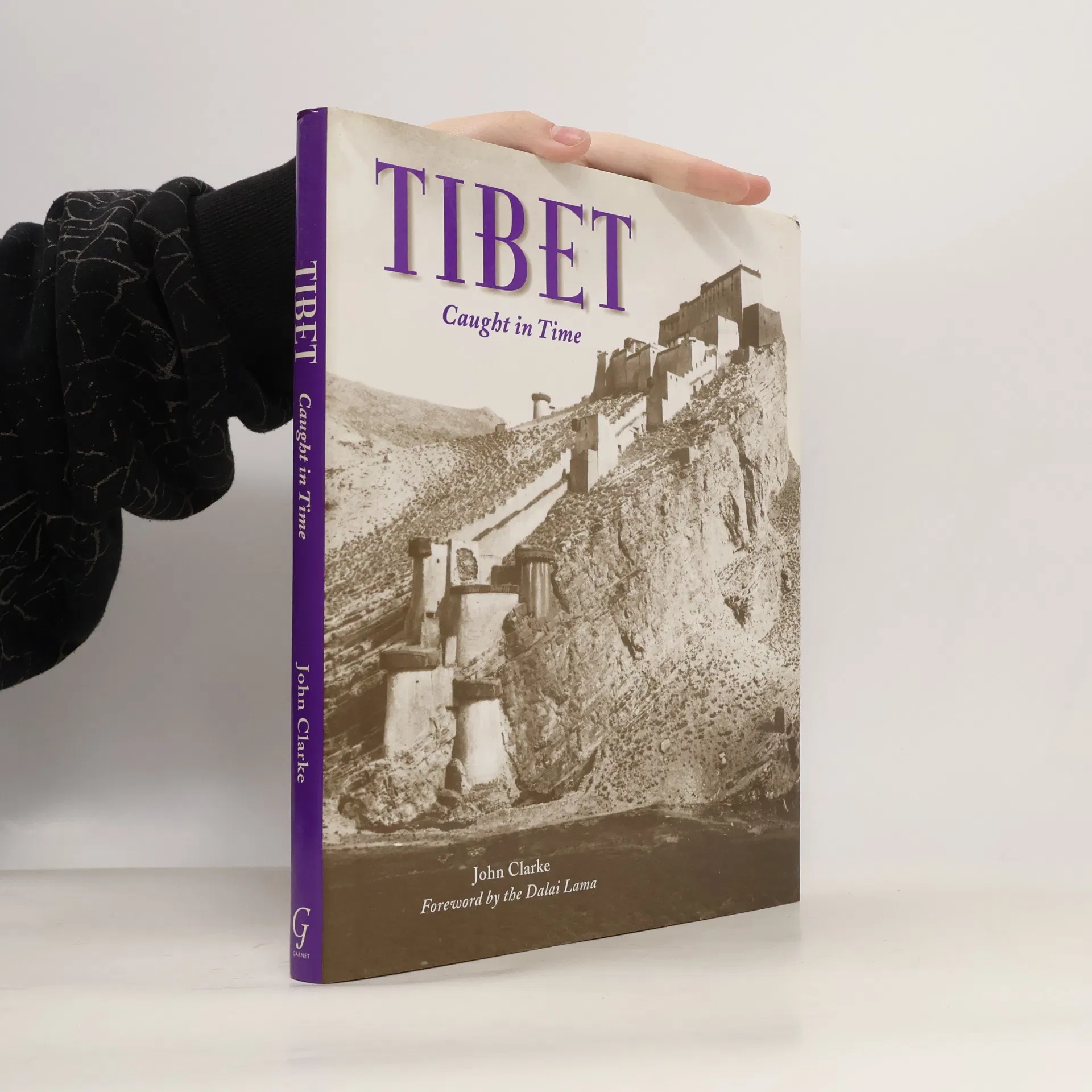
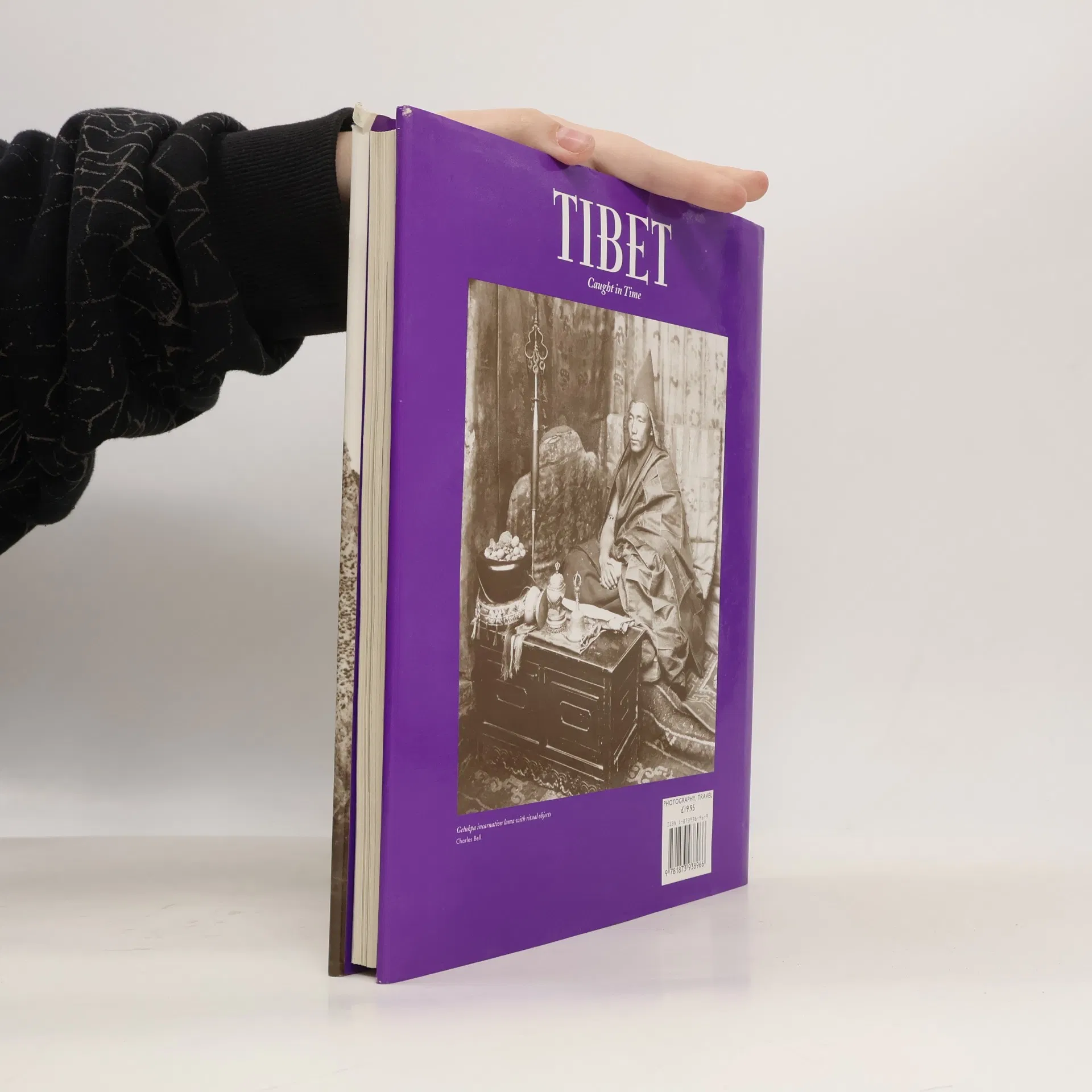
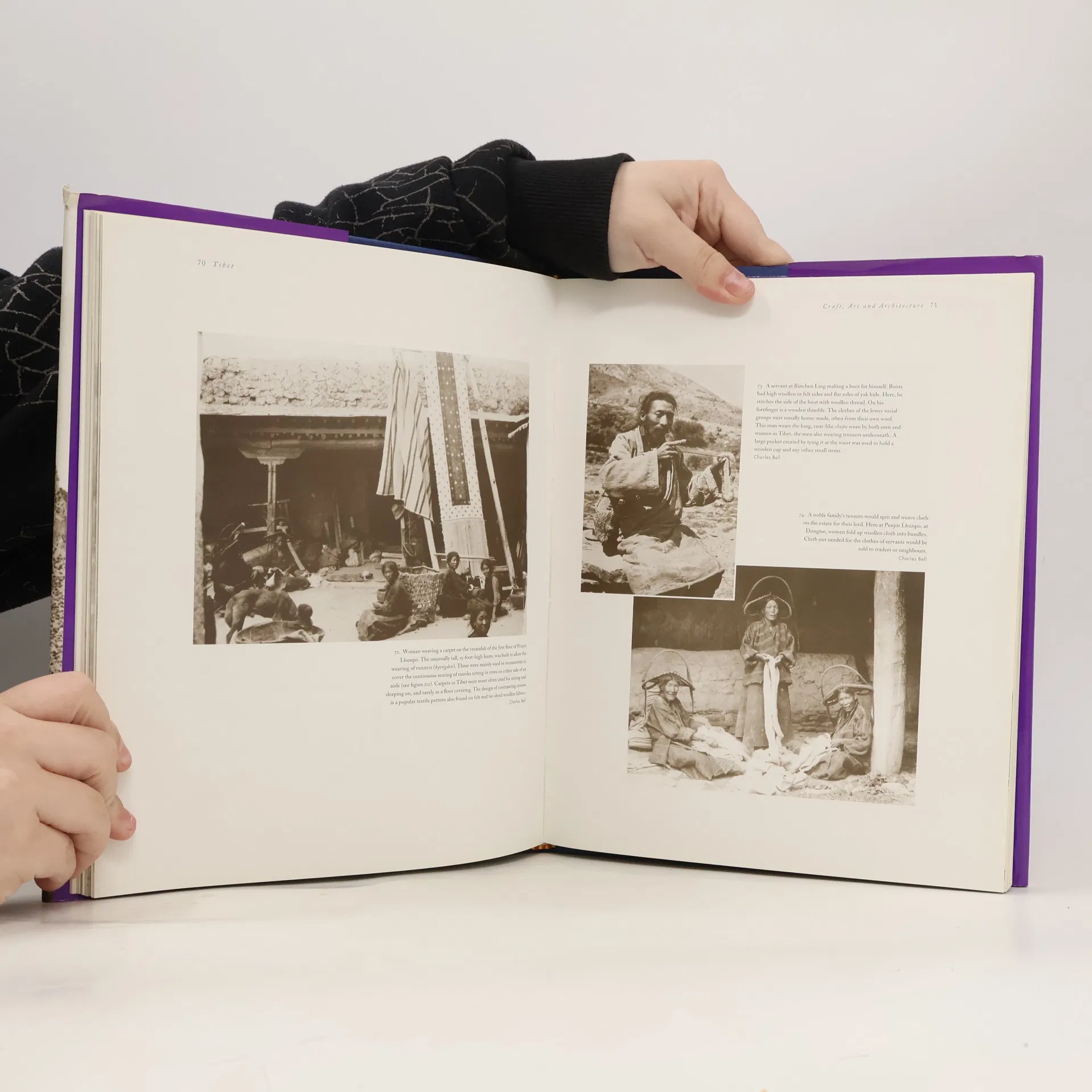
In Lhasa, a noble family enjoys a picnic in a park, with women wearing elaborate headdresses adorned with pearls. Folk-opera singers, dressed in costumes and masks, add to the vibrant scene. Tibet, an expansive region comparable in size to the UK, France, and Germany combined, features stunning glaciers and Himalayan peaks alongside fertile plateaux and valleys. This period captures the essence of a society that had remained largely unchanged since the Middle Ages, soon to face severe oppression. The photographs serve as a cherished record of Tibet's true spirit. John Claude White, who served as Political Officer in Sikkim for nearly two decades, extensively documented the border regions of Tibet. His earliest photographs were taken during the British military expedition to Lhasa in 1904, showcasing both the majestic landscapes and intimate glimpses of towns and people. Succeeding White in 1908, Sir Charles Bell became a close friend of the thirteenth Dalai Lama, who sought refuge in India from Chinese pressure. This friendship granted Bell unique access to Tibetan society during his visits in 1921 and 1933. His photographs reveal a rich civilization deeply influenced by monastic religion. Fluent in Tibetan, Bell published numerous scholarly works on Tibetan culture and advocated for its independence, with his photographs and diaries preserved in the British Library.
Book purchase
Caught in Time: Tibet, John Clarke, Dalaï-Lama
- Language

- Released
- 1997
- Binding
- (Hardcover),
- Book condition
- Good
- Price
- €7.69
Payment methods
We’re missing your review here.
- Title
- Caught in Time: Tibet
- Subtitle
- Caught in Time
- Language
- English
- Authors
- John Clarke, Dalaï-Lama
- Publisher
- Garnet Publishing
- Released
- 1997
- Format
- Hardcover
- Pages
- 152
- ISBN10
- 1873938969
- ISBN13
- 9781873938966
- Series
- Categories
- Rating
- 3 out of 5
- Description
- In Lhasa, a noble family enjoys a picnic in a park, with women wearing elaborate headdresses adorned with pearls. Folk-opera singers, dressed in costumes and masks, add to the vibrant scene. Tibet, an expansive region comparable in size to the UK, France, and Germany combined, features stunning glaciers and Himalayan peaks alongside fertile plateaux and valleys. This period captures the essence of a society that had remained largely unchanged since the Middle Ages, soon to face severe oppression. The photographs serve as a cherished record of Tibet's true spirit. John Claude White, who served as Political Officer in Sikkim for nearly two decades, extensively documented the border regions of Tibet. His earliest photographs were taken during the British military expedition to Lhasa in 1904, showcasing both the majestic landscapes and intimate glimpses of towns and people. Succeeding White in 1908, Sir Charles Bell became a close friend of the thirteenth Dalai Lama, who sought refuge in India from Chinese pressure. This friendship granted Bell unique access to Tibetan society during his visits in 1921 and 1933. His photographs reveal a rich civilization deeply influenced by monastic religion. Fluent in Tibetan, Bell published numerous scholarly works on Tibetan culture and advocated for its independence, with his photographs and diaries preserved in the British Library.