

More about the book
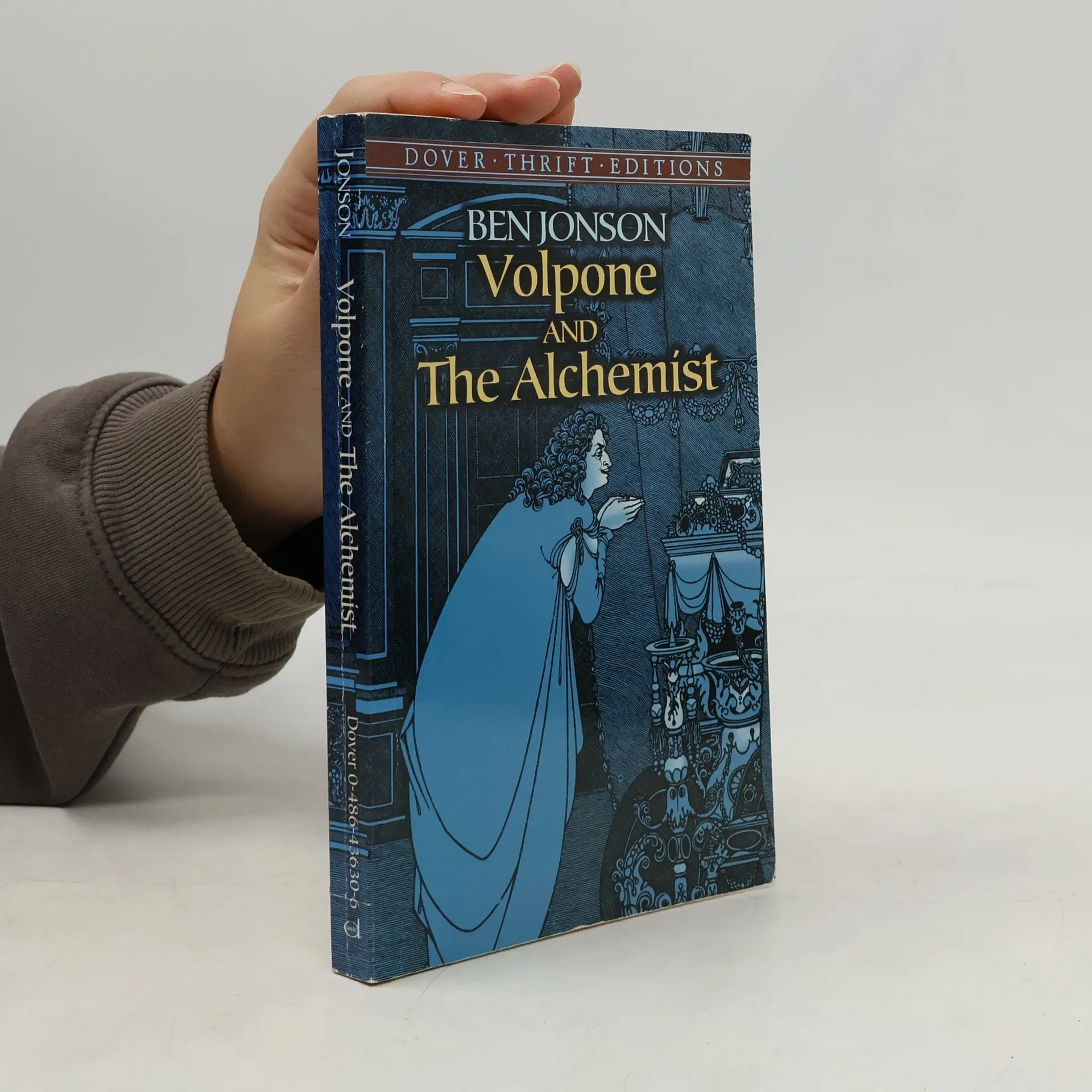
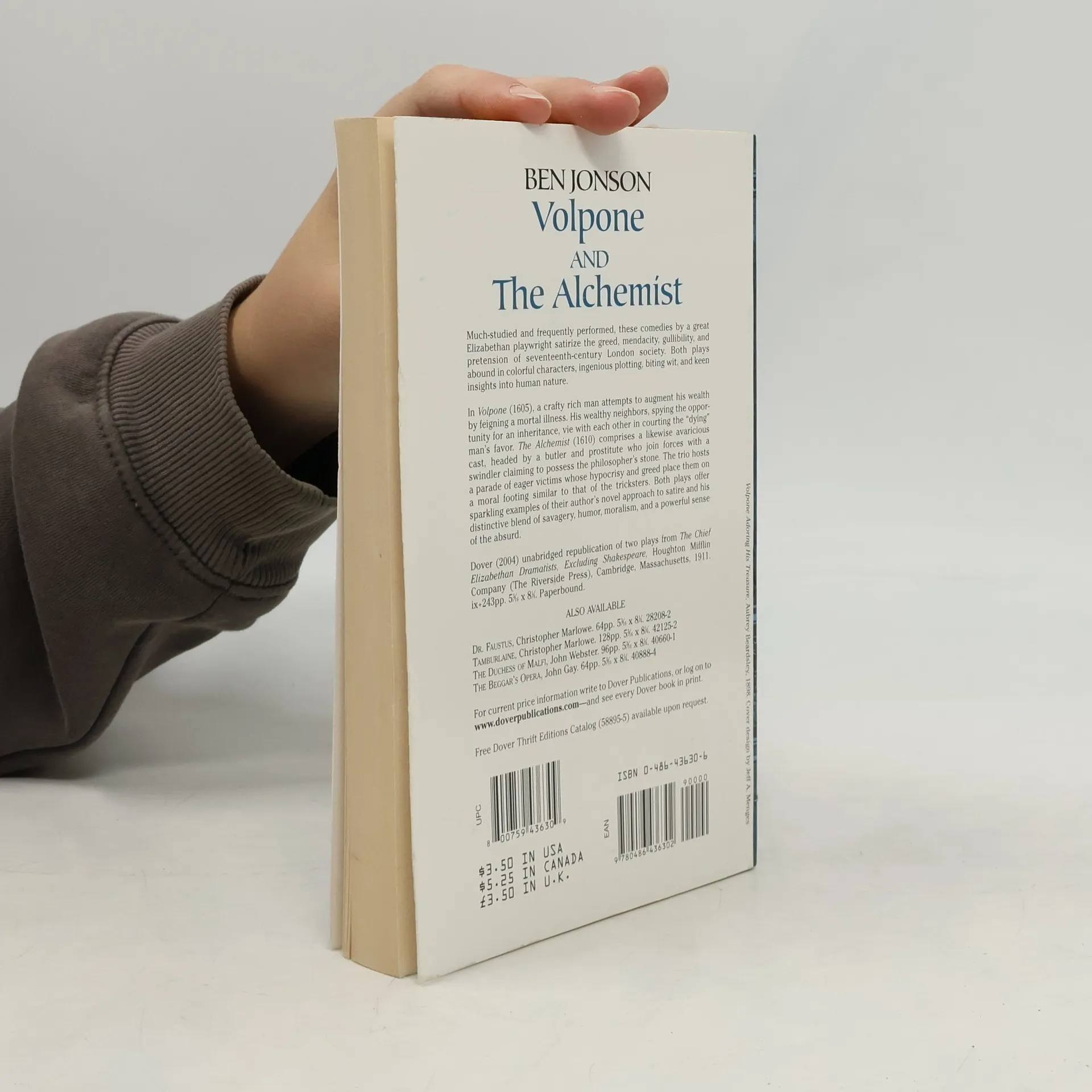
Much-studied and frequently performed, these comedies by the great Elizabethan playwright Ben Jonson satirize the greed, mendacity, gullibility, and pretension of seventeenth-century London society. Both plays abound in colorful characters, ingenious plotting, biting wit, and sharp insight into human nature.In Volpone (1605), a crafty rich man attempts to augment his wealth by feigning a mortal illness. His wealthy neighbors, spying the opportunity for an inheritance, vie with each other in courting the “dying” man’s favor. The Alchemist (1610) comprises a likewise avaricious cast, headed by a butler and prostitute who join forces with a swindler claiming to possess the philosopher's stone. The trio hosts a parade of eager victims whose hypocrisy and greed place them on a moral footing similar to that of the tricksters. Both plays offer sparkling examples of their author's novel approach to satire and his distinctive blend of savagery, humor, moralism, and a powerful sense of the absurd.
Book purchase
Dover Thrift Editions: Volpone and The Alchemist, Ben Jonson
- Language

- Released
- 2004
- Binding
- (Paperback)
Payment methods
We’re missing your review here.
- Title
- Dover Thrift Editions: Volpone and The Alchemist
- Language
- English
- Authors
- Ben Jonson
- Publisher
- Dover Publications
- Released
- 2004
- Format
- Paperback
- Pages
- 256
- ISBN10
- 0486436306
- ISBN13
- 9780486436302
- Series
- Tags
- Rating
- 3.55 out of 5
- Description
- Much-studied and frequently performed, these comedies by the great Elizabethan playwright Ben Jonson satirize the greed, mendacity, gullibility, and pretension of seventeenth-century London society. Both plays abound in colorful characters, ingenious plotting, biting wit, and sharp insight into human nature.In Volpone (1605), a crafty rich man attempts to augment his wealth by feigning a mortal illness. His wealthy neighbors, spying the opportunity for an inheritance, vie with each other in courting the “dying” man’s favor. The Alchemist (1610) comprises a likewise avaricious cast, headed by a butler and prostitute who join forces with a swindler claiming to possess the philosopher's stone. The trio hosts a parade of eager victims whose hypocrisy and greed place them on a moral footing similar to that of the tricksters. Both plays offer sparkling examples of their author's novel approach to satire and his distinctive blend of savagery, humor, moralism, and a powerful sense of the absurd.