

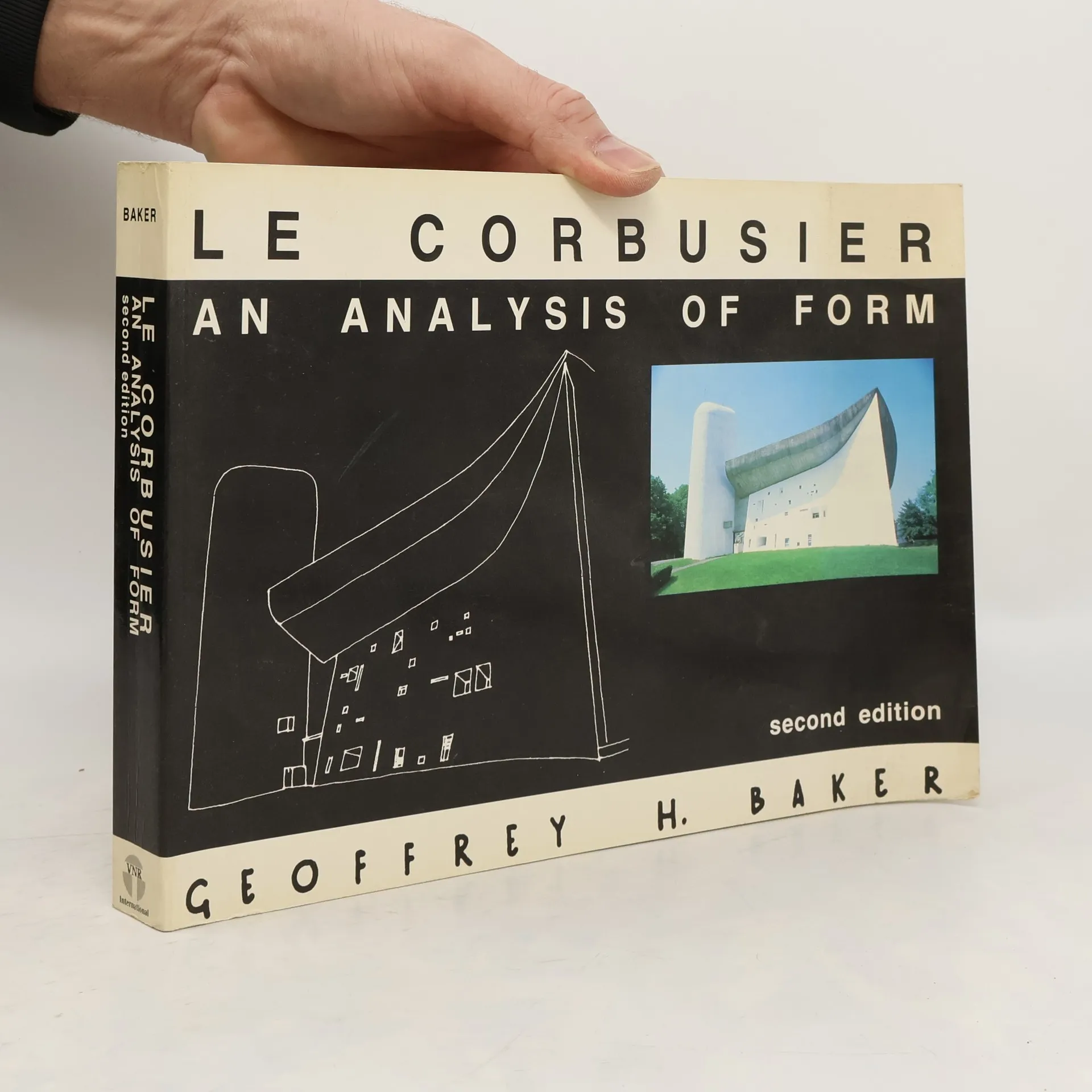
Le Corbusier Analysis Form - Second Edition
Authors
More about the book
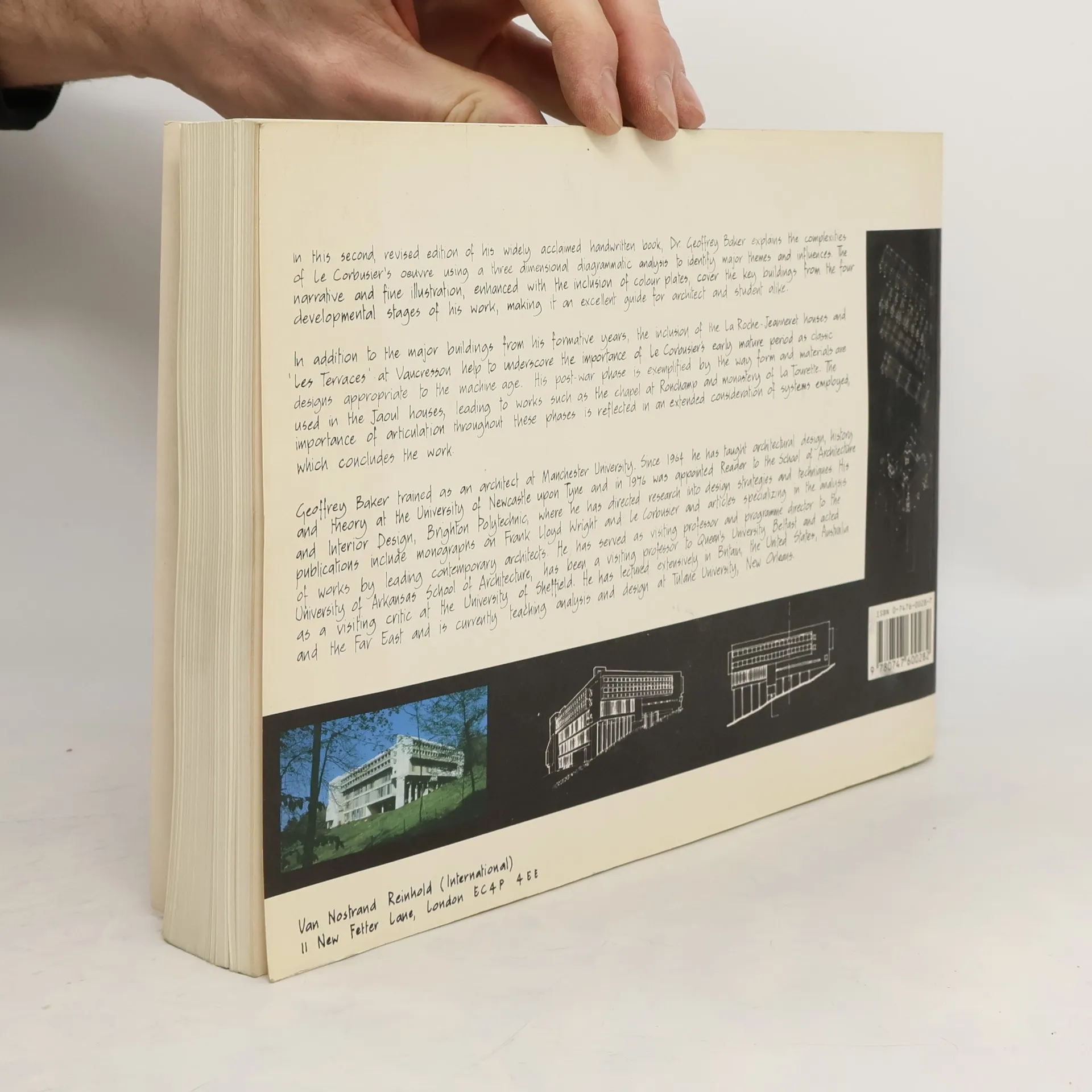
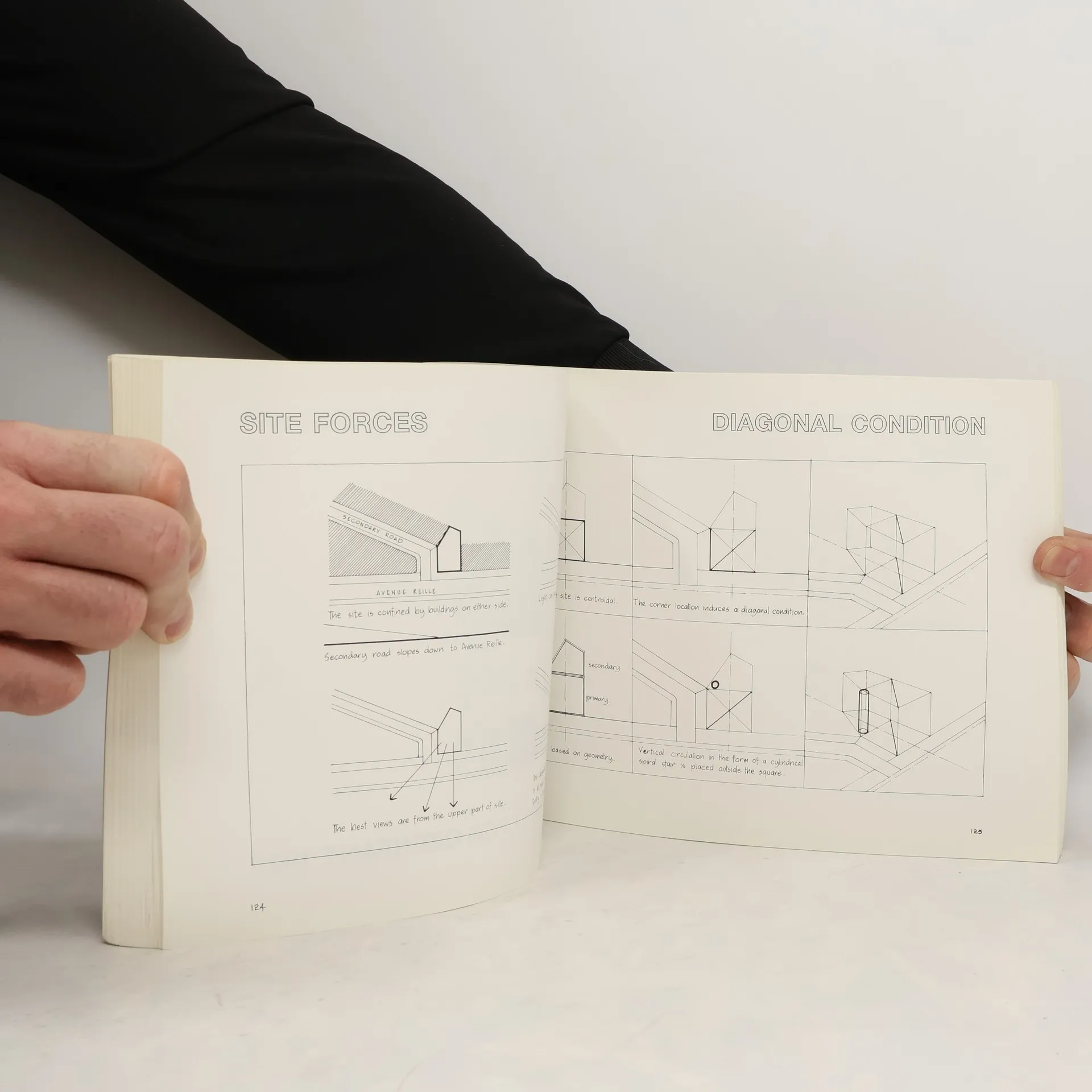
In this third, revised edition of his eidely acclaimed book, Dr. Geoffrey Baker explains the complexities of Le Corbusier's oeuvre using a three-dimensional diagrammatic analysis to identify major themes and influences. The narrative and fine illustration, enhanced by the inclusion of color plates, cover the key buildings from the four developmental stages of his work, making it an excellent guide for architect and student alike. Inclusion of the Pavillion Suisse in this volume reminds us of the transitional nature of this building in which the use of natural material, stone, and curved forms reveals fresh lyricism in Le Corbusier's oeuvre. Inclsuion of the Villa Shodhan in India concludes the cubic domestic progression that begins with the Maison Citrohan, developing through such key examples as the La Roche Jeanneret houses, the Villa Stein-de-Monzie, Villa Savoye, and Villa at Carthage.
Book purchase
Le Corbusier Analysis Form - Second Edition, Geoffrey H. Baker
- Language

- Released
- 1989
- Binding
- (Hardcover)
Payment methods
No one has rated yet.
- Title
- Le Corbusier Analysis Form - Second Edition
- Language
- English
- Authors
- Geoffrey H. Baker
- Publisher
- SPON Product
- Released
- 1989
- Format
- Hardcover
- Pages
- 353
- ISBN10
- 0747600279
- ISBN13
- 9780747600275
- Series
- Categories
- Description
- In this third, revised edition of his eidely acclaimed book, Dr. Geoffrey Baker explains the complexities of Le Corbusier's oeuvre using a three-dimensional diagrammatic analysis to identify major themes and influences. The narrative and fine illustration, enhanced by the inclusion of color plates, cover the key buildings from the four developmental stages of his work, making it an excellent guide for architect and student alike. Inclusion of the Pavillion Suisse in this volume reminds us of the transitional nature of this building in which the use of natural material, stone, and curved forms reveals fresh lyricism in Le Corbusier's oeuvre. Inclsuion of the Villa Shodhan in India concludes the cubic domestic progression that begins with the Maison Citrohan, developing through such key examples as the La Roche Jeanneret houses, the Villa Stein-de-Monzie, Villa Savoye, and Villa at Carthage.