

Parameters
- 50 pages
- 2 hours of reading
More about the book
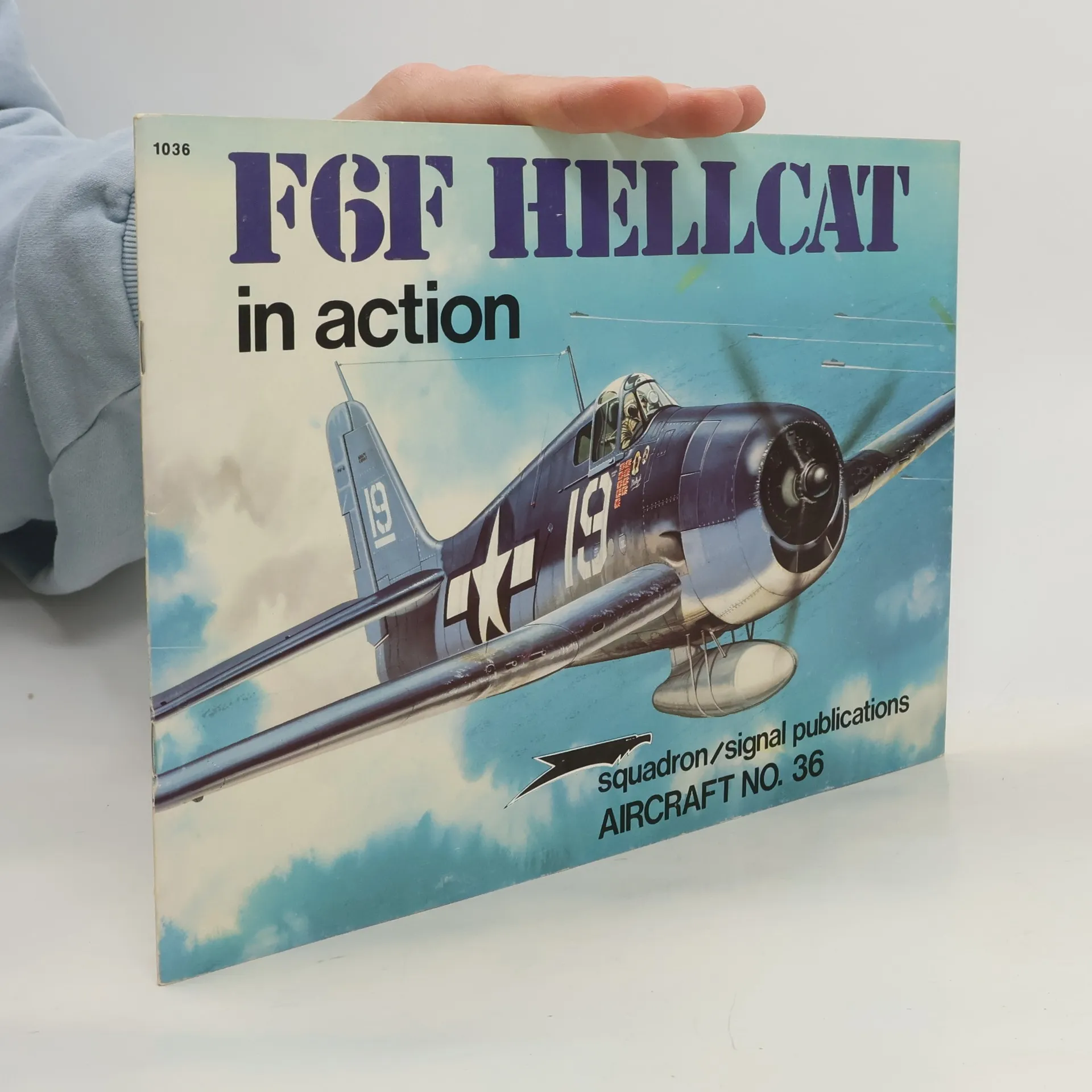
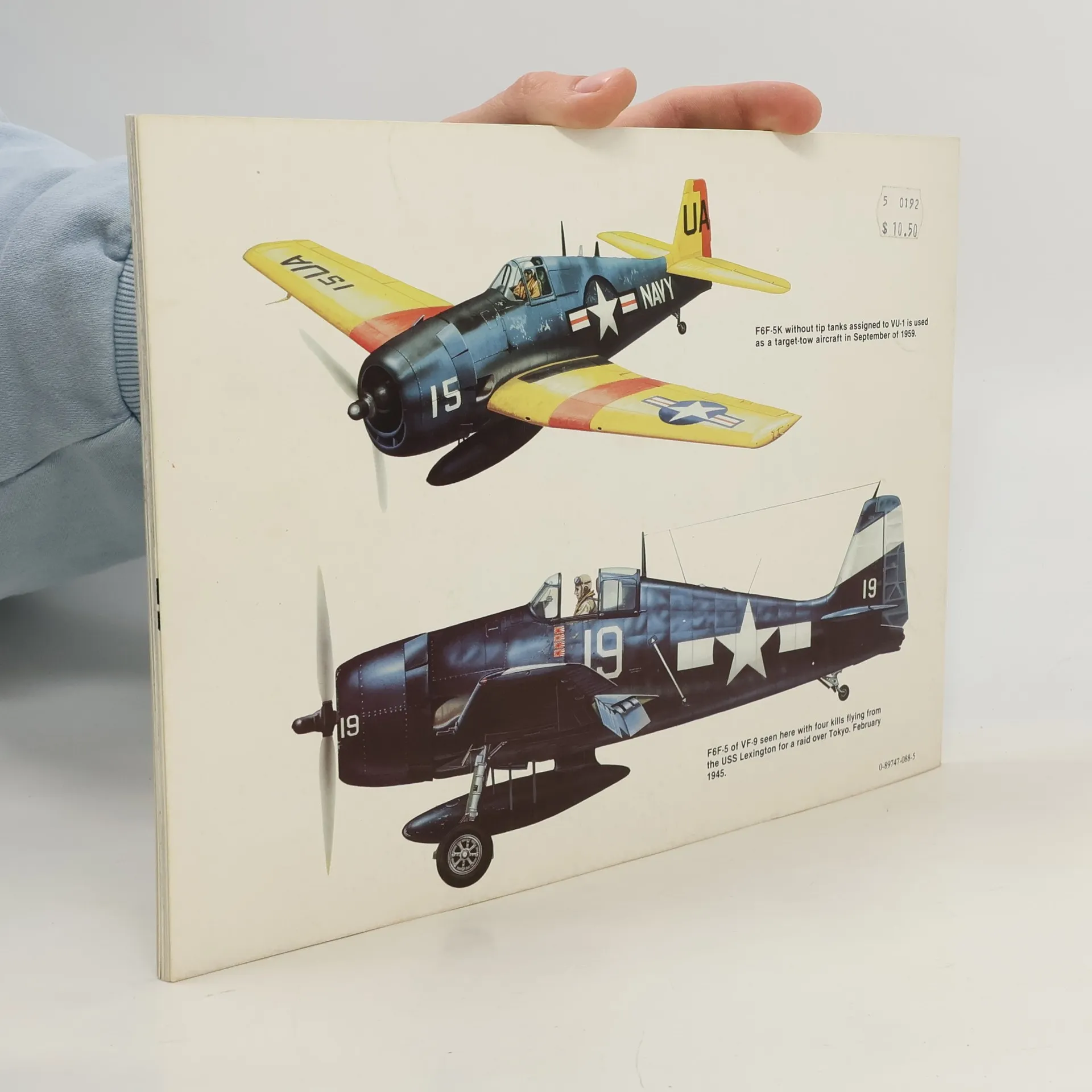
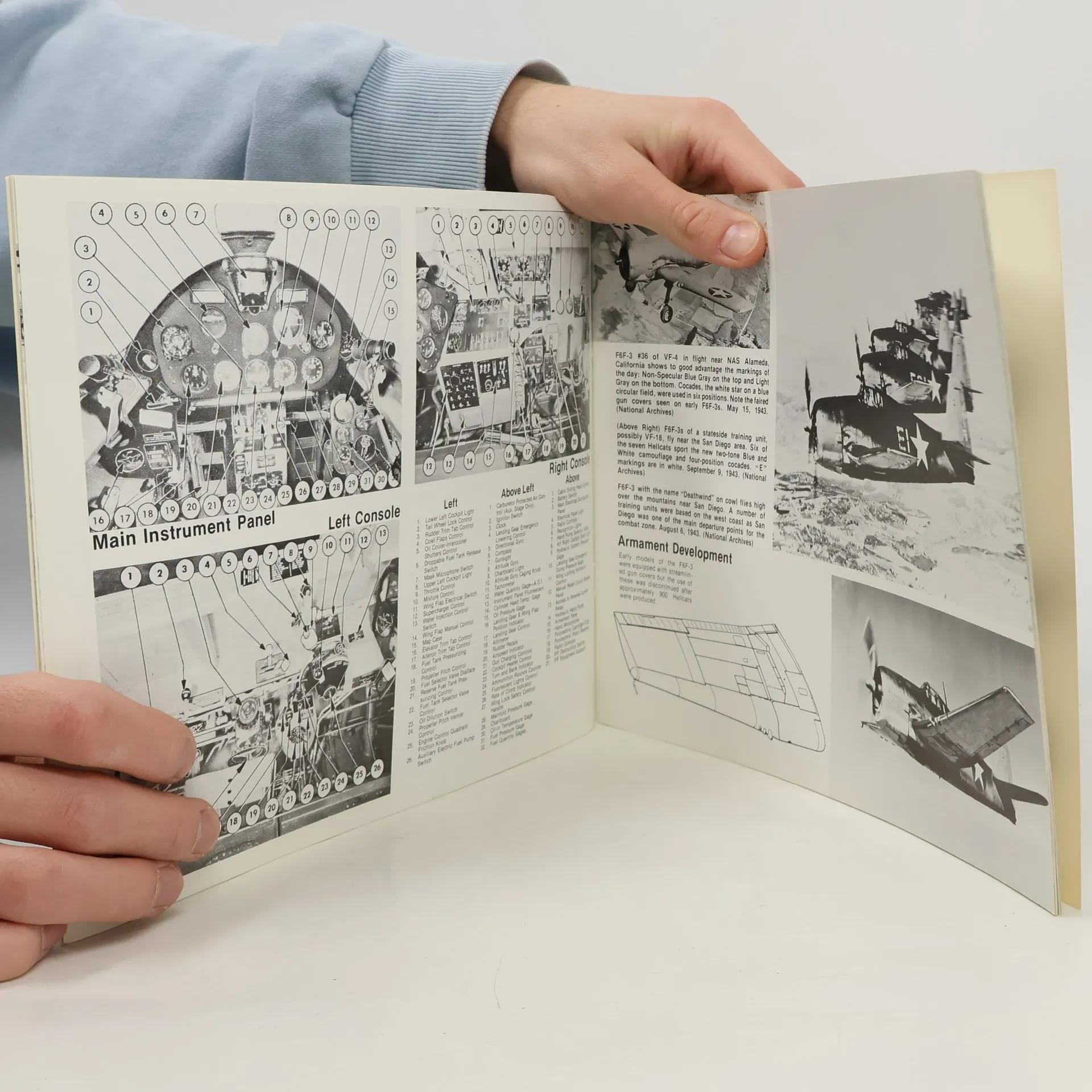
During WWII, the US Navy needed a powerful fighter to counter the Japanese Zero. After their debut in combat in early 1943, Hellcats scored more than 5,000 confirmed kills with a 19:1 kill ratio. The folding-wing aircraft were capable of operating from carriers or land. Some were equipped with radar for night combat. The heavily armed fighters could pack armament including six wing-mounted .50-caliber machine guns, 20mm cannons, wing-mounted rockets, and a bomb rack. Flown by both the US Navy and Marine Corps, the aircraft was also employed by the British Fleet Air Arm during WWII. France also made use of the aircraft after the war, employing it during the Indochina conflict in the early 1950s. In US service after WWII, remote-controlled versions of the aircraft were used to test atomic bomb blasts and as flying bombs.
Book purchase
F6F Hellcat in Action, Jim Sullivan
- Language

- Released
- 1984
- Binding
- (Paperback)
Payment methods
We’re missing your review here.
- Title
- F6F Hellcat in Action
- Language
- English
- Authors
- Jim Sullivan
- Publisher
- SQUADRON SIGNAL PUBN
- Released
- 1984
- Format
- Paperback
- Pages
- 50
- ISBN10
- 0897470885
- ISBN13
- 9780897470889
- Series
- Categories
- Rating
- 3.6 out of 5
- Description
- During WWII, the US Navy needed a powerful fighter to counter the Japanese Zero. After their debut in combat in early 1943, Hellcats scored more than 5,000 confirmed kills with a 19:1 kill ratio. The folding-wing aircraft were capable of operating from carriers or land. Some were equipped with radar for night combat. The heavily armed fighters could pack armament including six wing-mounted .50-caliber machine guns, 20mm cannons, wing-mounted rockets, and a bomb rack. Flown by both the US Navy and Marine Corps, the aircraft was also employed by the British Fleet Air Arm during WWII. France also made use of the aircraft after the war, employing it during the Indochina conflict in the early 1950s. In US service after WWII, remote-controlled versions of the aircraft were used to test atomic bomb blasts and as flying bombs.