


More about the book
The British anti-psychiatric group, which formed around R.D. Laing, David Cooper, and Aaron Esterson in the 1960s, burned bright, but briefly, and has left a long legacy. This book follows their practical, social, and theoretical trajectory away from the structured world of institutional psychiatry and into the social chaos of the counter-culture. It explores the rapidly changing landscape of British psychiatry in the mid-Twentieth Century and the apparently structureless organisation of the part of the counter-culture that clustered around the anti-psychiatrists, including the informal power structures that it produced. The book also problematizes this trajectory, examining how the anti-psychiatrists distanced themselves from institutional psychiatry while building links with some of the most important people in post-war psychiatry and psychoanalysis. The anti-psychiatrists bridged the gap between psychiatry and the counter-culture, and briefly became legitimate voices in both. Wall argues that their synthesis of disparate discourses was one of their strengths, but also contributed to the group’s collapse. The British Anti-Psychiatrists offers original historical expositions of the Villa 21 experiment and the Anti-University. Finally, it proposes a new reading of anti-psychiatric theory, displacing Laing from his central position and looking at their work as an unfolding conversation within a social network.
Book purchase
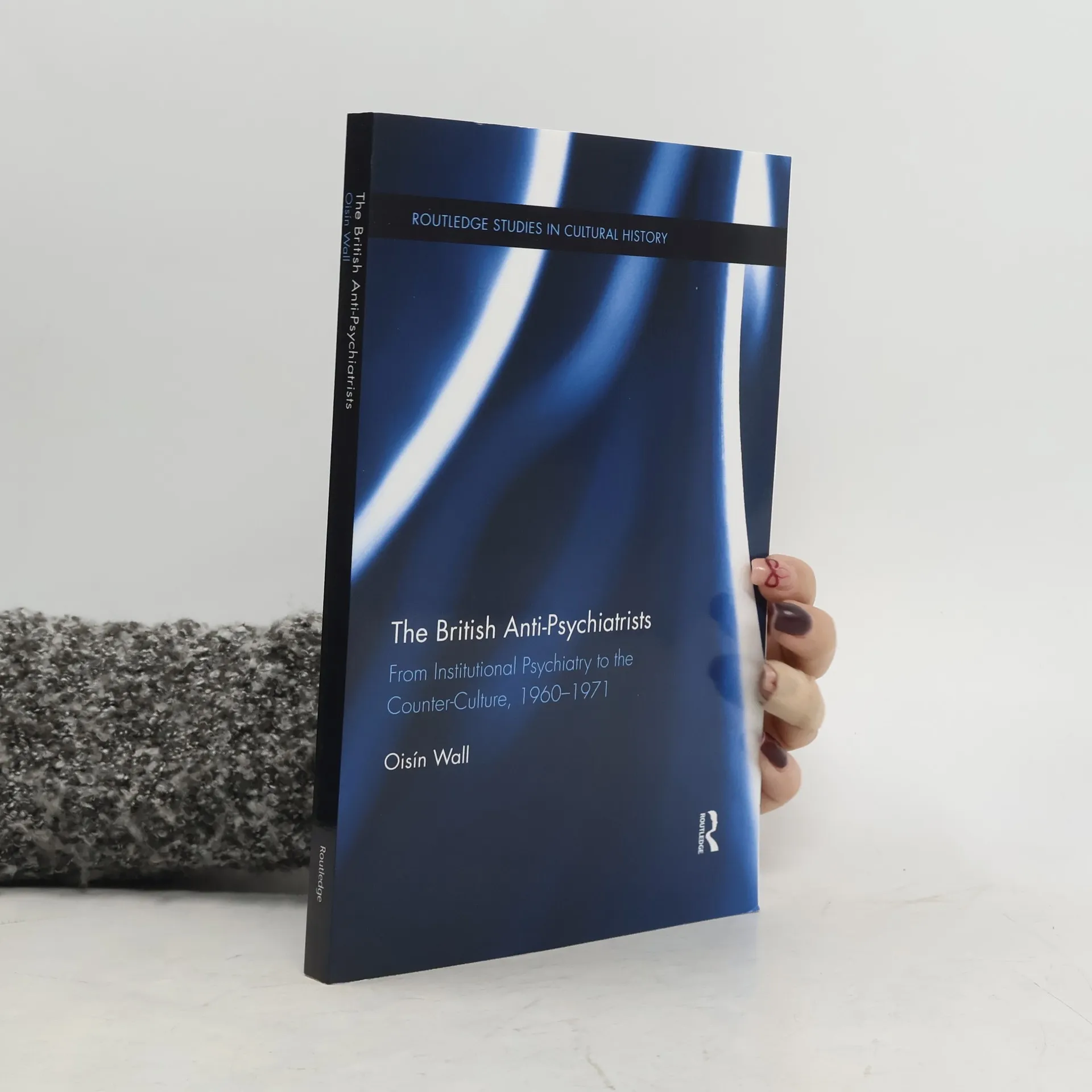
Routledge Studies in Cultural History: The British Anti-Psychiatrists, Oisín Wall
- Language

- Released
- 2019
- Binding
- (Paperback)
Payment methods
No one has rated yet.
- Title
- Routledge Studies in Cultural History: The British Anti-Psychiatrists
- Subtitle
- From Institutional Psychiatry to the Counter-Culture, 1960-1971
- Language
- English
- Authors
- Oisín Wall
- Publisher
- Routledge
- Released
- 2019
- Format
- Paperback
- Pages
- 228
- ISBN10
- 0367885379
- ISBN13
- 9780367885373
- Series
- Categories
- Tags
- Historical Themes, Medicine, Mental Health, Cultural History, Psychiatry, Social History, Historiography, History of Medicine
- Description
- The British anti-psychiatric group, which formed around R.D. Laing, David Cooper, and Aaron Esterson in the 1960s, burned bright, but briefly, and has left a long legacy. This book follows their practical, social, and theoretical trajectory away from the structured world of institutional psychiatry and into the social chaos of the counter-culture. It explores the rapidly changing landscape of British psychiatry in the mid-Twentieth Century and the apparently structureless organisation of the part of the counter-culture that clustered around the anti-psychiatrists, including the informal power structures that it produced. The book also problematizes this trajectory, examining how the anti-psychiatrists distanced themselves from institutional psychiatry while building links with some of the most important people in post-war psychiatry and psychoanalysis. The anti-psychiatrists bridged the gap between psychiatry and the counter-culture, and briefly became legitimate voices in both. Wall argues that their synthesis of disparate discourses was one of their strengths, but also contributed to the group’s collapse. The British Anti-Psychiatrists offers original historical expositions of the Villa 21 experiment and the Anti-University. Finally, it proposes a new reading of anti-psychiatric theory, displacing Laing from his central position and looking at their work as an unfolding conversation within a social network.