


More about the book
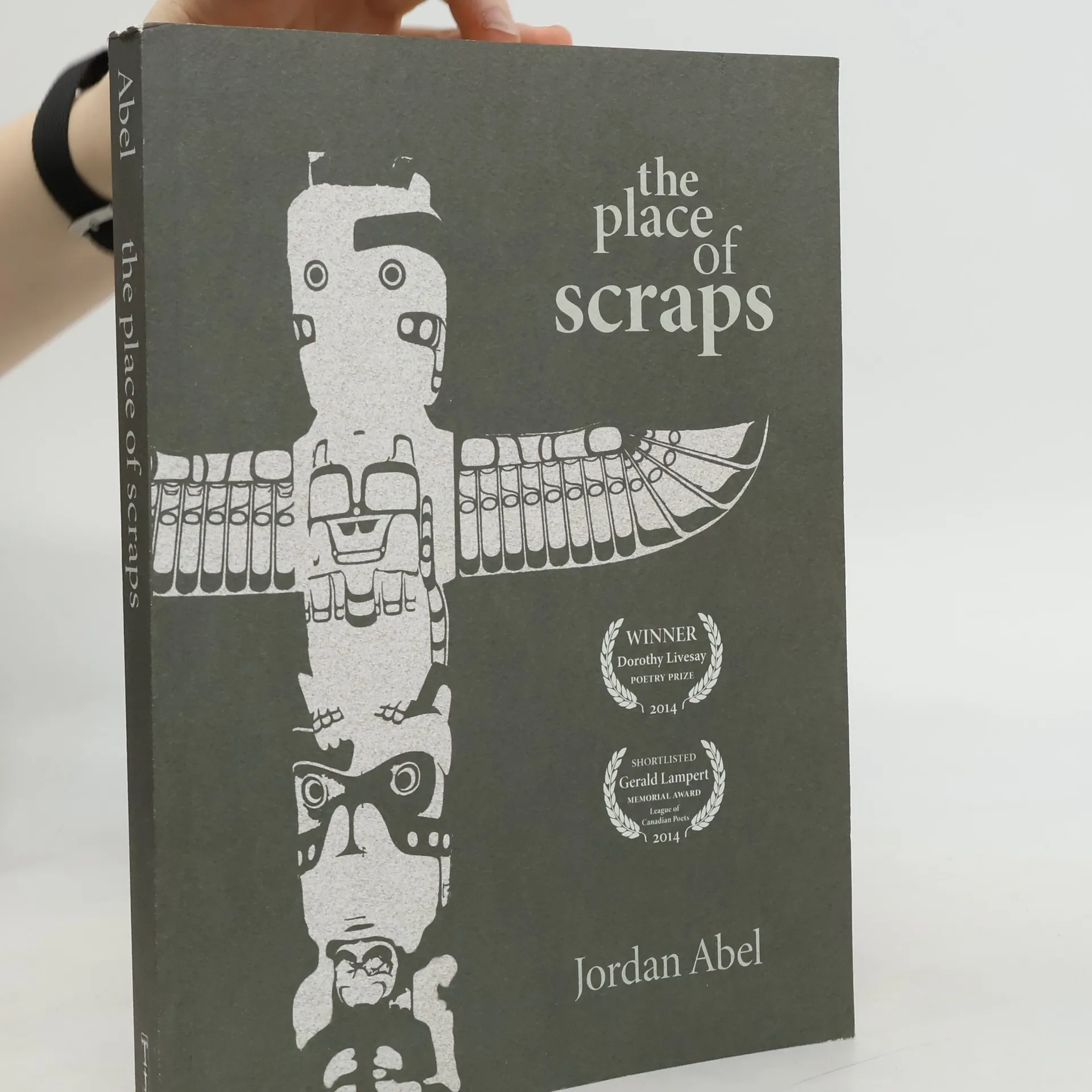
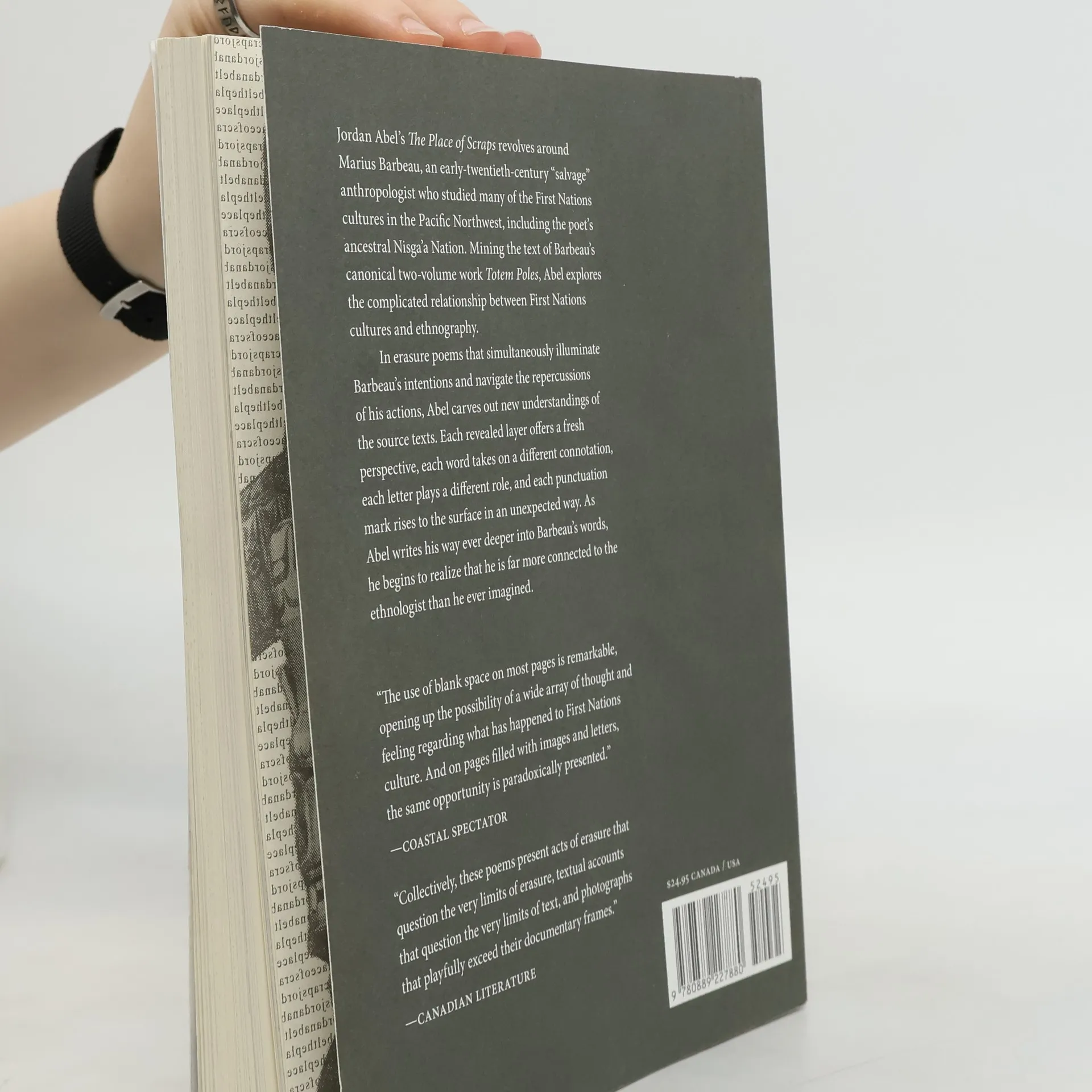
The Place of Scraps centers on Marius Barbeau, an early-twentieth-century ethnographer who studied First Nations cultures in the Pacific Northwest, including the Nisga’a Nation. Barbeau believed these cultures were on the brink of extinction and felt compelled to preserve them. However, his preservation methods involved purchasing totem poles and potlatch items from struggling communities, which he then sold to museums. Ironically, while aiming to protect these cultures, he contributed to their dismantling. Inspired by Barbeau’s work, particularly his book Totem Poles, Jordan Abel delves into the complex relationship between First Nations cultures and ethnography. His poems shed light on Barbeau’s intentions while also addressing the consequences of his actions. Utilizing erasure techniques, Abel creates new interpretations of Barbeau’s writing, revealing fresh perspectives and recontextualizing each word, letter, and punctuation mark. As he engages deeply with Barbeau’s text, Abel discovers a surprising connection to the ethnographer, prompting a reflection on cultural preservation and the impact of historical narratives.
Book purchase
The Place of Scraps, Jordan Abel
- Language

- Released
- 2013
- Binding
- (Paperback)
Payment methods
We’re missing your review here.
- Title
- The Place of Scraps
- Language
- English
- Authors
- Jordan Abel
- Publisher
- Talonbooks
- Released
- 2013
- Format
- Paperback
- Pages
- 288
- ISBN10
- 0889227888
- ISBN13
- 9780889227880
- Series
- Categories
- Tags
- Art, School, Ethnography, Canada, Native Americans, Required Reading, Indigenous Tribes, American English, Pacific Northwest
- Rating
- 4.3 out of 5
- Description
- The Place of Scraps centers on Marius Barbeau, an early-twentieth-century ethnographer who studied First Nations cultures in the Pacific Northwest, including the Nisga’a Nation. Barbeau believed these cultures were on the brink of extinction and felt compelled to preserve them. However, his preservation methods involved purchasing totem poles and potlatch items from struggling communities, which he then sold to museums. Ironically, while aiming to protect these cultures, he contributed to their dismantling. Inspired by Barbeau’s work, particularly his book Totem Poles, Jordan Abel delves into the complex relationship between First Nations cultures and ethnography. His poems shed light on Barbeau’s intentions while also addressing the consequences of his actions. Utilizing erasure techniques, Abel creates new interpretations of Barbeau’s writing, revealing fresh perspectives and recontextualizing each word, letter, and punctuation mark. As he engages deeply with Barbeau’s text, Abel discovers a surprising connection to the ethnographer, prompting a reflection on cultural preservation and the impact of historical narratives.