

More about the book
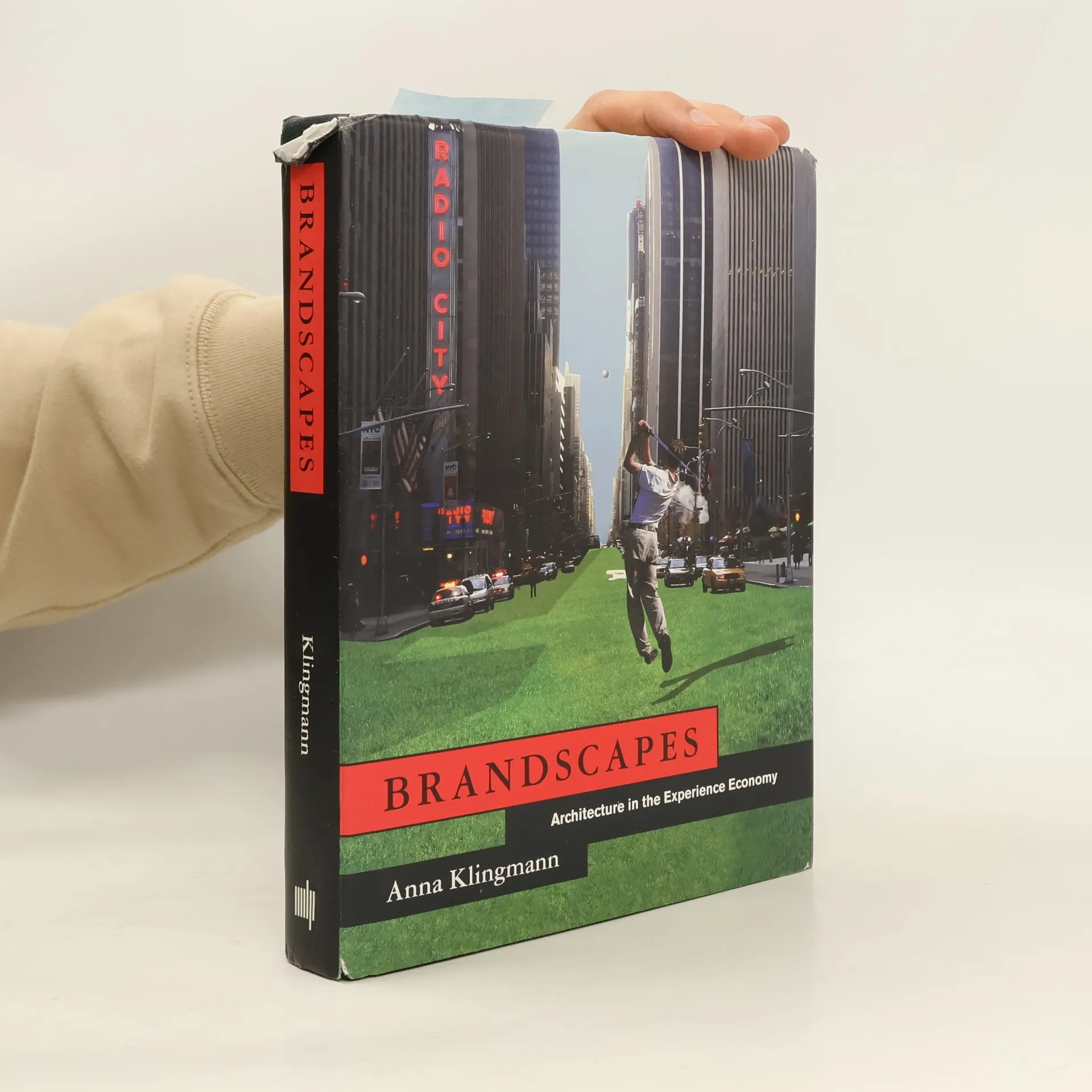
In the twenty-first century, cities should be viewed as brandscapes, with buildings serving as advertisements and destinations rather than mere objects. The experience economy emphasizes sensations and lifestyles over physical products. In this context, Anna Klingmann critically examines the practice of branding in architecture, discussing its potential benefits and drawbacks. She posits that architecture can leverage branding concepts not just for marketing but as a strategic tool for economic and cultural transformation. Branding reflects identity—of cities and enterprises alike—illustrated by how places like New York, Bilbao, and Shanghai have used architecture to enhance their images and spur economic growth. Klingmann explores various brandscaping examples, from Disneyland and Las Vegas to Prada's architect-designed stores and Niketown's banalities. However, she warns of the dangers associated with brandscapes, such as prioritizing signature buildings over comprehensive urban interventions, leading to a culture of imitation. As experiences become commodified and the global landscape homogenized, architects face the challenge of creating meaningful transformations. Klingmann advocates for a branding approach that differentiates places from within, emphasizing the integration of ecology, economics, and social well-being to foster self-sufficiency and act as catalysts for cultural and economic change.
Book purchase
Brandscapes, Anna-Maria Klingmann
- Language

- Released
- 2007
- Binding
- (Hardcover)
Payment methods
We’re missing your review here.
- Title
- Brandscapes
- Subtitle
- Architecture in the Experience Economy
- Language
- English
- Authors
- Anna-Maria Klingmann
- Publisher
- MIT Press
- Released
- 2007
- Format
- Hardcover
- Pages
- 364
- ISBN10
- 0262113031
- ISBN13
- 9780262113038
- Series
- Tags
- Business, Art, Architecture, USA
- Rating
- 3.95 out of 5
- Description
- In the twenty-first century, cities should be viewed as brandscapes, with buildings serving as advertisements and destinations rather than mere objects. The experience economy emphasizes sensations and lifestyles over physical products. In this context, Anna Klingmann critically examines the practice of branding in architecture, discussing its potential benefits and drawbacks. She posits that architecture can leverage branding concepts not just for marketing but as a strategic tool for economic and cultural transformation. Branding reflects identity—of cities and enterprises alike—illustrated by how places like New York, Bilbao, and Shanghai have used architecture to enhance their images and spur economic growth. Klingmann explores various brandscaping examples, from Disneyland and Las Vegas to Prada's architect-designed stores and Niketown's banalities. However, she warns of the dangers associated with brandscapes, such as prioritizing signature buildings over comprehensive urban interventions, leading to a culture of imitation. As experiences become commodified and the global landscape homogenized, architects face the challenge of creating meaningful transformations. Klingmann advocates for a branding approach that differentiates places from within, emphasizing the integration of ecology, economics, and social well-being to foster self-sufficiency and act as catalysts for cultural and economic change.