


More about the book
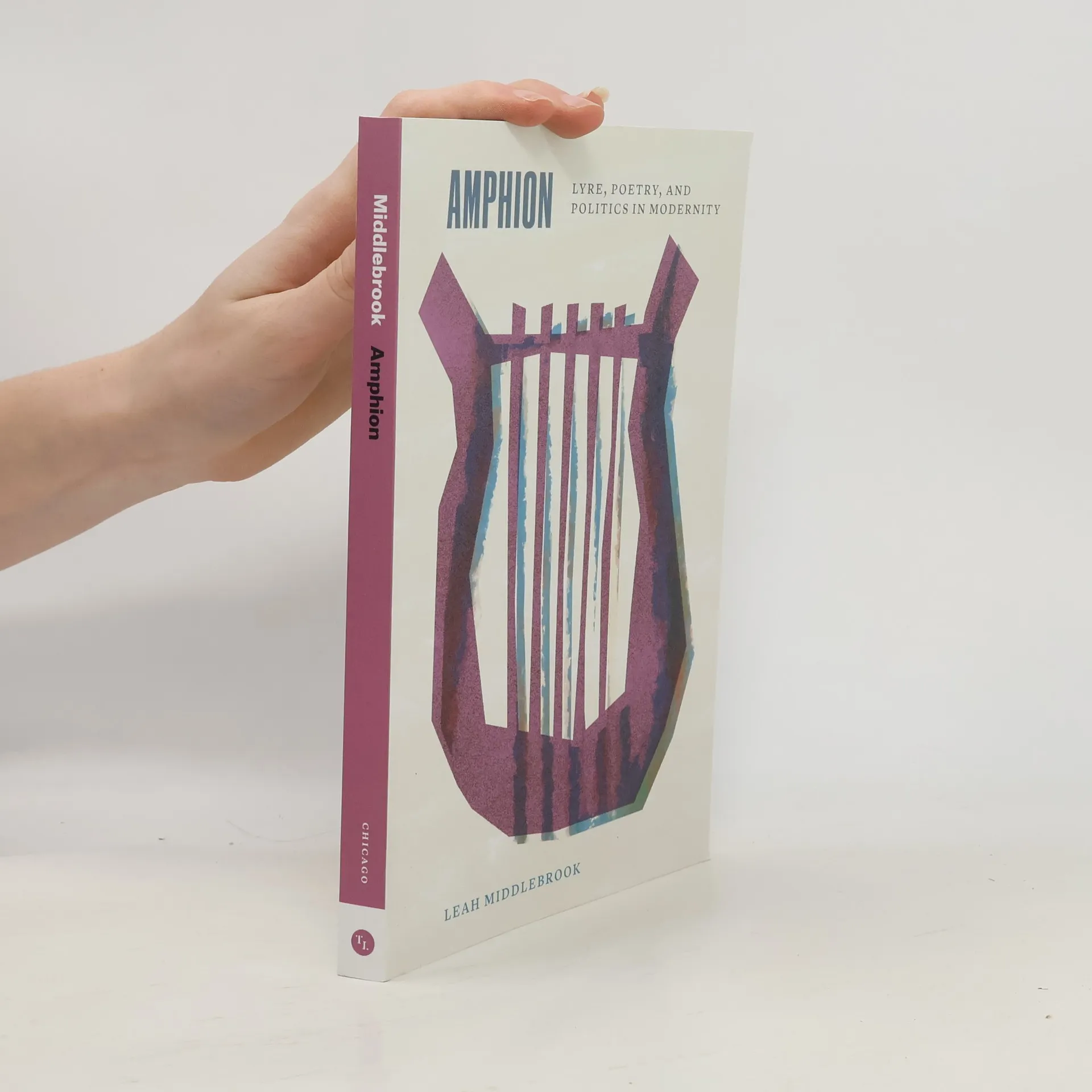
A reintroduction to the myth of Amphion, recovering an overlooked sphere of lyric tradition. Amphion is the figure in Greek mythology who played so skillfully on a lyre that stones moved of their own accord to build walls for Thebes. While Amphion still presides over music and architecture, he was once fundamental to the concept of lyric poetry. Amphion figured the human power to inspire action, creating and undoing polities by means of language. In contrast to the individual inspiration we associate with the better known Orpheus, Amphion represents the relentless, often violent, play of order and disorder in human social life. His lyre was a powerful metaphor in the age of European imperial expansion. In this wide-ranging study, Leah Middlebrook introduces readers to Amphion-inspired poetics and lyrics and traces the tradition of the Amphionic from the Renaissance through modernist and postmodern poetry and translation from the Hispanic, Anglophone, French, Italian, and ancient Roman worlds. Amphion makes a significant contribution to scholarship on the connection between poetry and politics and the history of the lyric, offering an account well-suited to our times.
Book purchase
Amphion, Leah Middlebrook
- Language

- Released
- 2024
- Binding
- (Paperback)
Payment methods
We’re missing your review here.
- Title
- Amphion
- Subtitle
- Lyre, Poetry, and Politics in Modernity
- Language
- English
- Authors
- Leah Middlebrook
- Publisher
- The University of Chicago Press
- Released
- 2024
- Format
- Paperback
- Pages
- 235
- ISBN10
- 0226835529
- ISBN13
- 9780226835525
- Series
- Tags
- Literary Criticism, Lyric, Empire
- Rating
- 4 out of 5
- Description
- A reintroduction to the myth of Amphion, recovering an overlooked sphere of lyric tradition. Amphion is the figure in Greek mythology who played so skillfully on a lyre that stones moved of their own accord to build walls for Thebes. While Amphion still presides over music and architecture, he was once fundamental to the concept of lyric poetry. Amphion figured the human power to inspire action, creating and undoing polities by means of language. In contrast to the individual inspiration we associate with the better known Orpheus, Amphion represents the relentless, often violent, play of order and disorder in human social life. His lyre was a powerful metaphor in the age of European imperial expansion. In this wide-ranging study, Leah Middlebrook introduces readers to Amphion-inspired poetics and lyrics and traces the tradition of the Amphionic from the Renaissance through modernist and postmodern poetry and translation from the Hispanic, Anglophone, French, Italian, and ancient Roman worlds. Amphion makes a significant contribution to scholarship on the connection between poetry and politics and the history of the lyric, offering an account well-suited to our times.