

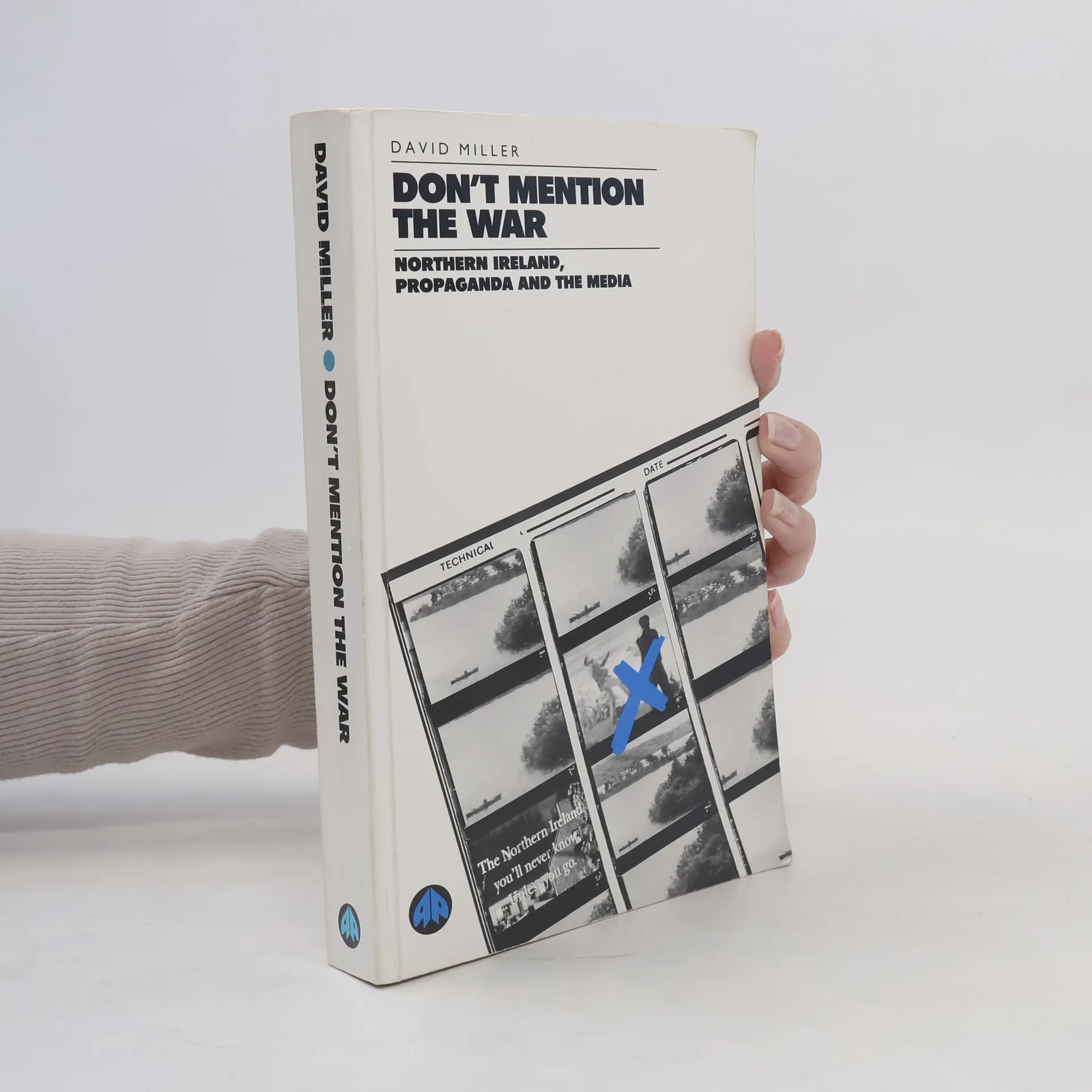
Don't Mention the War
Northern Ireland, Propaganda and the Media
Authors
Book rating
Parameters
- 280 pages
- 10 hours of reading
More about the book
For over twenty-five years, the media have portrayed the conflict in Northern Ireland as an irrational confrontation -- a war that was not called a war and had no objective social basis. 'Terrorism' caused 'the Troubles'; the British Army kept the peace. The conflict was effectively marginalised in the minds of the public at large. In Don't Mention the War , David Miller chronicles the propaganda and (mis)information management which did so much to distort and impoverish media reporting of the conflict. Given unprecedented access to senior officials, as well as the key spokespersons for all the major political groupings in Northern Ireland, Miller paints a disturbing picture of the success of the media managers in manipulating public perceptions of the issues, and breaks new ground in exploring the complex relationships between propaganda, public opinion and power.
Book purchase
Don't Mention the War, David Leslie Miller
- Language

- Released
- 1994
- Binding
- (Paperback)
Payment methods
We’re missing your review here.
- Title
- Don't Mention the War
- Subtitle
- Northern Ireland, Propaganda and the Media
- Language
- English
- Authors
- David Leslie Miller
- Publisher
- Pluto Press
- Released
- 1994
- Format
- Paperback
- Pages
- 280
- ISBN10
- 0745308368
- ISBN13
- 9780745308364
- Series
- Tags
- Historical Themes, Europe, Professional Literature, Political Theories, Ireland, Media and Media Communication, Terrorism, Propaganda, Civil Law, Northern Ireland
- Rating
- 3.8 out of 5
- Description
- For over twenty-five years, the media have portrayed the conflict in Northern Ireland as an irrational confrontation -- a war that was not called a war and had no objective social basis. 'Terrorism' caused 'the Troubles'; the British Army kept the peace. The conflict was effectively marginalised in the minds of the public at large. In Don't Mention the War , David Miller chronicles the propaganda and (mis)information management which did so much to distort and impoverish media reporting of the conflict. Given unprecedented access to senior officials, as well as the key spokespersons for all the major political groupings in Northern Ireland, Miller paints a disturbing picture of the success of the media managers in manipulating public perceptions of the issues, and breaks new ground in exploring the complex relationships between propaganda, public opinion and power.