



More about the book
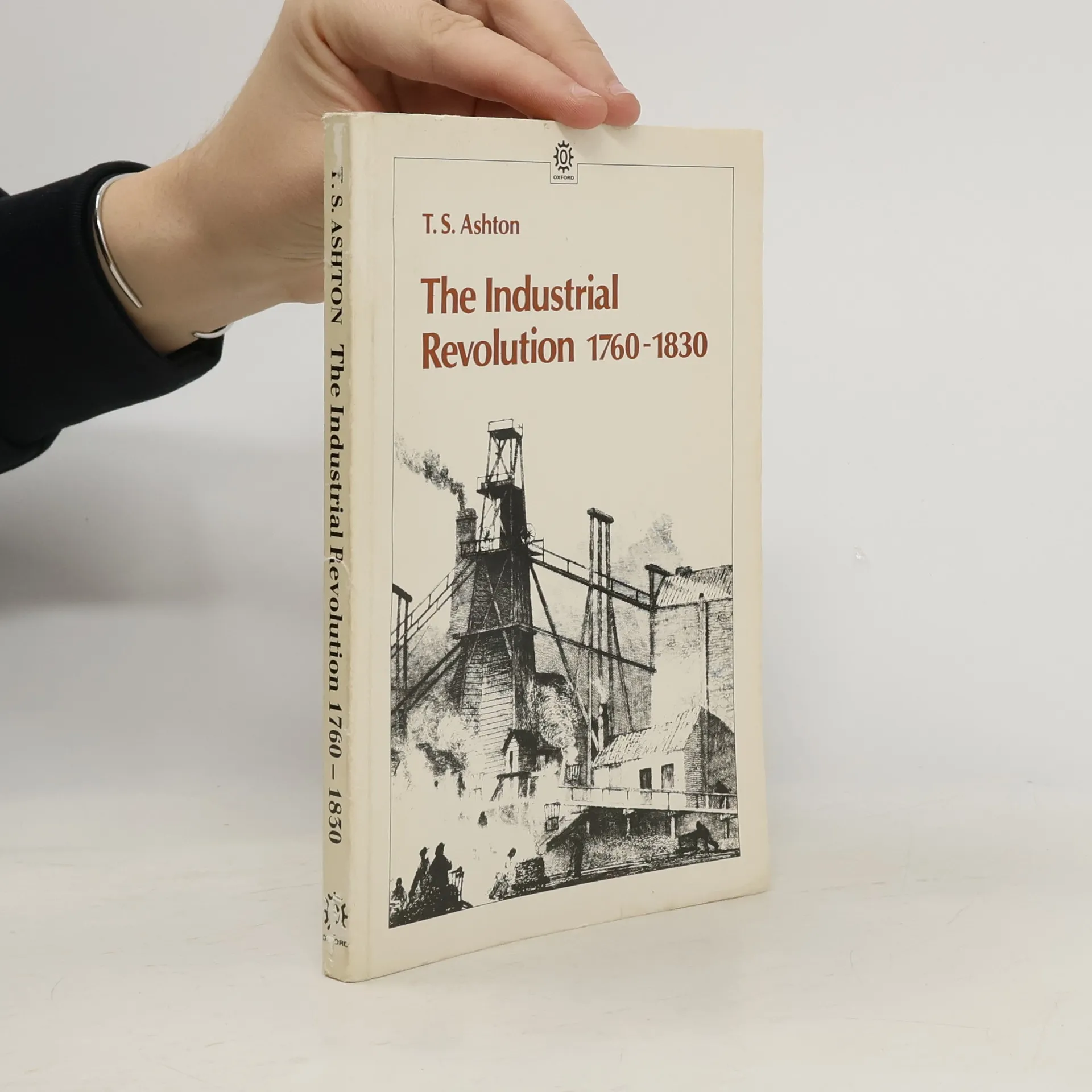
Thomas Ashton's renowned book on the phenomenon of the Industrial Revolution is considered one of the classic works that marked the evolution of the science of economic history. It sparked numerous discussions in the international scientific community. Its main characteristic is the emphasis on the interaction and interdependence of social and economic factors that contributed to the emergence of the phenomenon. Ashton insists on the dialectical relationship between the various favorable variables (theory-technology, accumulated empirical knowledge, capital, circumstance), excluding "chance" from the emergence of the Industrial Revolution. In this sense, he proposes a framework for analysis, defining the path followed by later economic historians. Gifted with the talent for penetrating and vivid prose, Ashton has the ability to captivate both the general reading public and students and researchers in the social sciences, delivering an exciting narrative and a significant tool for reflection to younger generations.
Book purchase
The Industrial Revolution, 1769-1830, Thomas Southcliffe Ashton
- Language

- Released
- 1968
- Binding
- (Paperback)
Payment methods
We’re missing your review here.
- Title
- The Industrial Revolution, 1769-1830
- Language
- English
- Authors
- Thomas Southcliffe Ashton
- Publisher
- London Oxford University press
- Released
- 1968
- Format
- Paperback
- Pages
- 144
- ISBN10
- 0198880383
- ISBN13
- 9780198880387
- Series
- Rating
- 3.25 out of 5
- Description
- Thomas Ashton's renowned book on the phenomenon of the Industrial Revolution is considered one of the classic works that marked the evolution of the science of economic history. It sparked numerous discussions in the international scientific community. Its main characteristic is the emphasis on the interaction and interdependence of social and economic factors that contributed to the emergence of the phenomenon. Ashton insists on the dialectical relationship between the various favorable variables (theory-technology, accumulated empirical knowledge, capital, circumstance), excluding "chance" from the emergence of the Industrial Revolution. In this sense, he proposes a framework for analysis, defining the path followed by later economic historians. Gifted with the talent for penetrating and vivid prose, Ashton has the ability to captivate both the general reading public and students and researchers in the social sciences, delivering an exciting narrative and a significant tool for reflection to younger generations.