

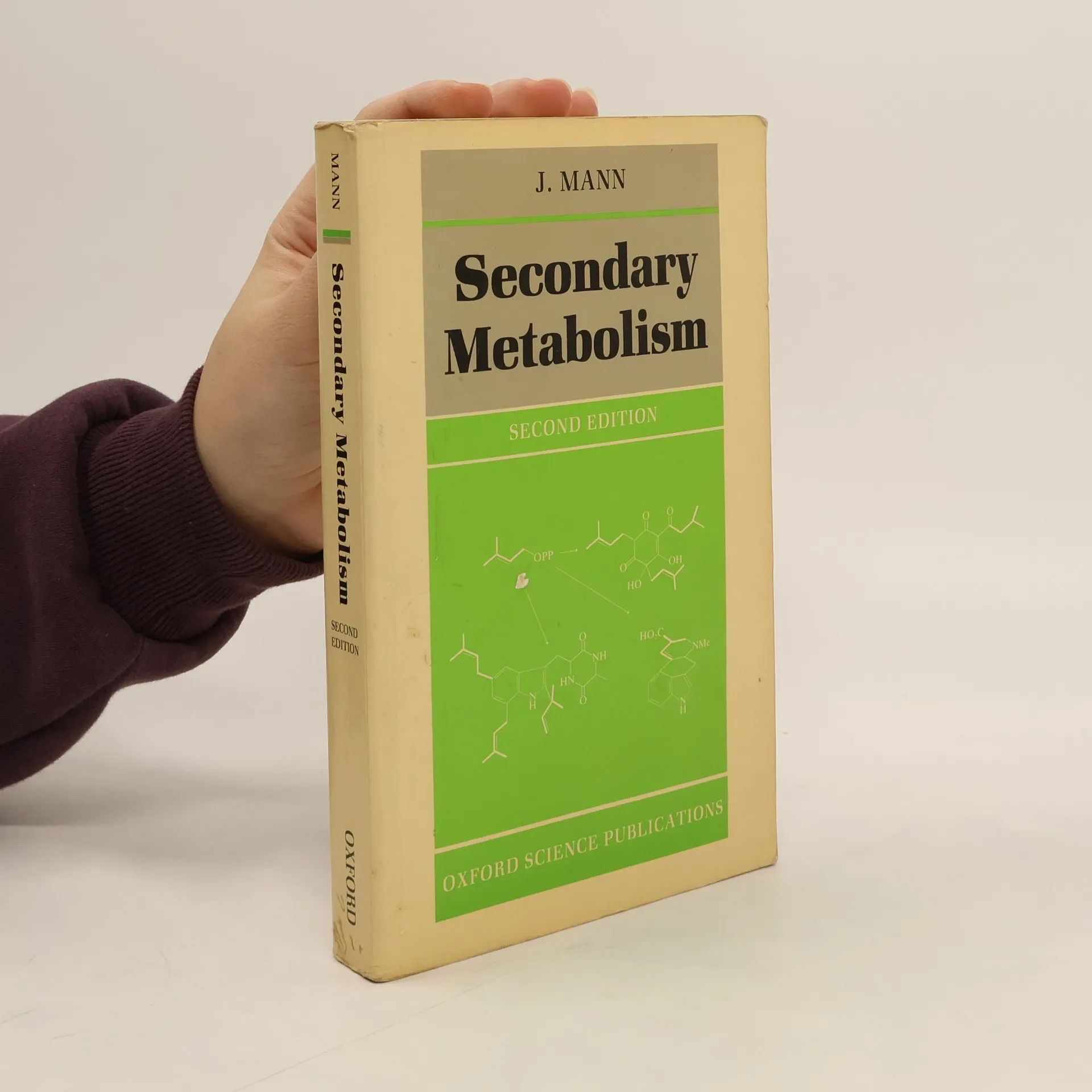
Secondary Metabolism (Oxford Chemistry Series)
Authors
More about the book
This book is concerned with the biosynthesis, biological activity, and ecological significance of secondary metabolites (natural products).These include alcaloids such as morphine, steroids like cholesterol, and antibiotics like the penicillins. The author considers each of the major classes of secondary metabolites according to the basic 'building blocks' from which they are derived and highlights the pharmacological and toxicological properties of compounds found in insects, plants, and microorganisms. The final chapter explores the possible ecological significance of these products. The second edition incorporates new material on the isolation and characterization of the enzymes of secondary metabolism and on the new NMR techniques which have revolutionized the elucidation of biosynthetic pathways. The book is important reading for advanced undergraduates and graduates in chemistry, biochemistry, and botany, as well as researchers in the pharmaceutical industry.
Book purchase
Secondary Metabolism (Oxford Chemistry Series), J. Mann
- Language

- Released
- 1990
- Binding
- (Paperback)
Payment methods
No one has rated yet.
- Title
- Secondary Metabolism (Oxford Chemistry Series)
- Language
- English
- Authors
- J. Mann
- Publisher
- Oxford University Press, USA
- Released
- 1990
- Format
- Paperback
- Pages
- 392
- ISBN10
- 0198555296
- ISBN13
- 9780198555292
- Series
- Description
- This book is concerned with the biosynthesis, biological activity, and ecological significance of secondary metabolites (natural products).These include alcaloids such as morphine, steroids like cholesterol, and antibiotics like the penicillins. The author considers each of the major classes of secondary metabolites according to the basic 'building blocks' from which they are derived and highlights the pharmacological and toxicological properties of compounds found in insects, plants, and microorganisms. The final chapter explores the possible ecological significance of these products. The second edition incorporates new material on the isolation and characterization of the enzymes of secondary metabolism and on the new NMR techniques which have revolutionized the elucidation of biosynthetic pathways. The book is important reading for advanced undergraduates and graduates in chemistry, biochemistry, and botany, as well as researchers in the pharmaceutical industry.