



More about the book
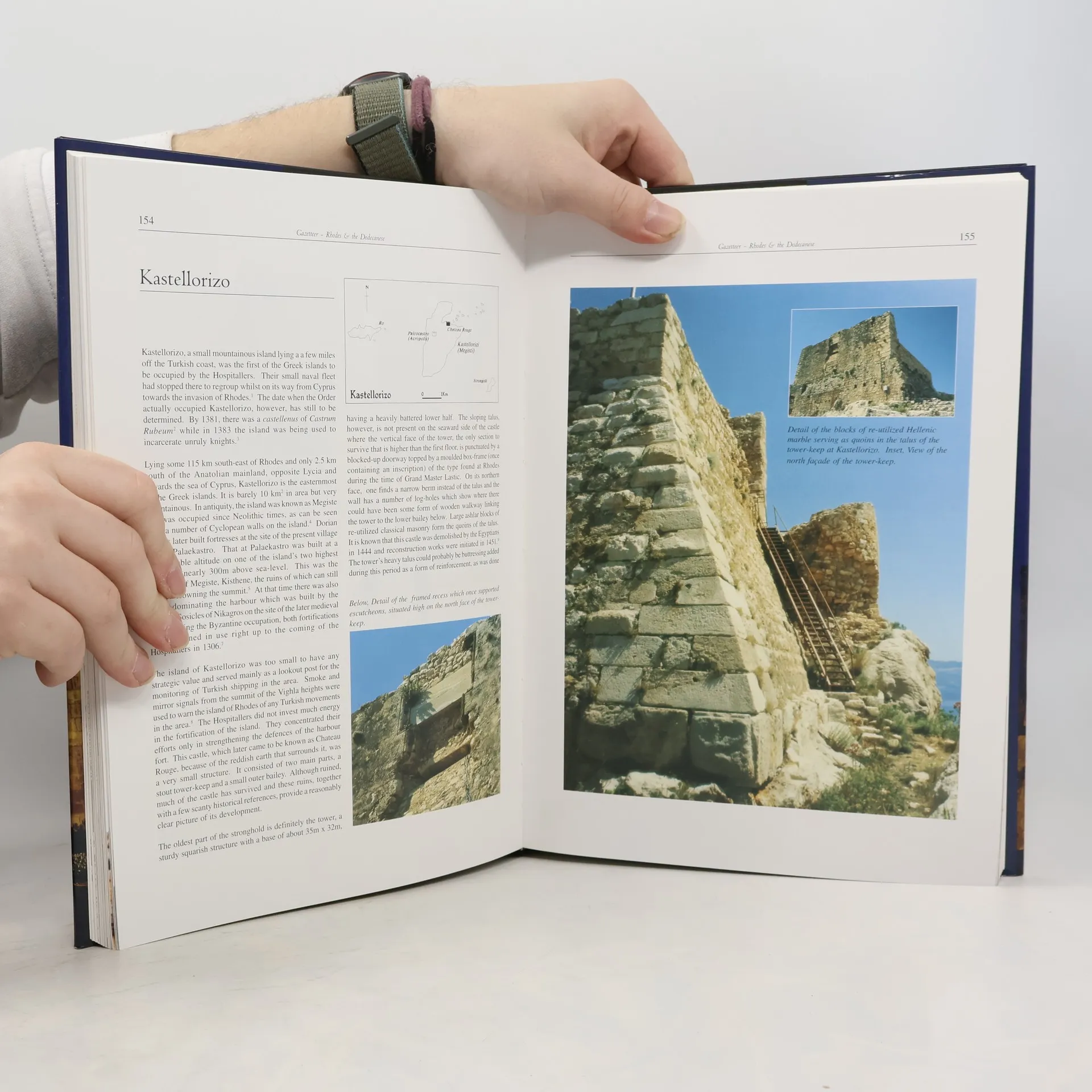
This book stands out as one of the most significant contributions to military architecture in the last fifty years. It focuses on the works of the Knights of St John, whose architectural endeavors span six centuries and reflect the evolution of defense strategies in response to changing attack methods. Covering the twelfth to the nineteenth century, the Knights’ architecture showcases a range of fortification innovations that influenced Western nations. Remarkably, the Order's knights and military engineers not only kept pace with developments but often led the way in advancements such as concentric defenses, the pentagonal bastion, caponiers, fougasses, and counter-mining techniques. Their fortresses were as effective and impressive as those of any nation, from the castles in Syria and Jerusalem to those in Cyprus, Rhodes, and Malta. The narrative unfolds through vivid descriptions and dramatic illustrations that convey the essence of the architecture more effectively than extensive text. Stephen Spiteri’s work offers a comprehensive overview of fortification evolution, infused with his enthusiasm and talent. This book is an essential resource for libraries, researchers, and enthusiasts of military architecture alike.
Book purchase
Fortresses of the Knights, Stephen C. Spiteri
- Language

- Released
- 2001
- Binding
- (Hardcover)
Payment methods
We’re missing your review here.
- Title
- Fortresses of the Knights
- Language
- English
- Authors
- Stephen C. Spiteri
- Publisher
- Book Distributors
- Released
- 2001
- Format
- Hardcover
- Pages
- 384
- ISBN10
- 9990972060
- ISBN13
- 9789990972061
- Series
- Rating
- 4.4 out of 5
- Description
- This book stands out as one of the most significant contributions to military architecture in the last fifty years. It focuses on the works of the Knights of St John, whose architectural endeavors span six centuries and reflect the evolution of defense strategies in response to changing attack methods. Covering the twelfth to the nineteenth century, the Knights’ architecture showcases a range of fortification innovations that influenced Western nations. Remarkably, the Order's knights and military engineers not only kept pace with developments but often led the way in advancements such as concentric defenses, the pentagonal bastion, caponiers, fougasses, and counter-mining techniques. Their fortresses were as effective and impressive as those of any nation, from the castles in Syria and Jerusalem to those in Cyprus, Rhodes, and Malta. The narrative unfolds through vivid descriptions and dramatic illustrations that convey the essence of the architecture more effectively than extensive text. Stephen Spiteri’s work offers a comprehensive overview of fortification evolution, infused with his enthusiasm and talent. This book is an essential resource for libraries, researchers, and enthusiasts of military architecture alike.