


Parameters
- 368 pages
- 13 hours of reading
More about the book
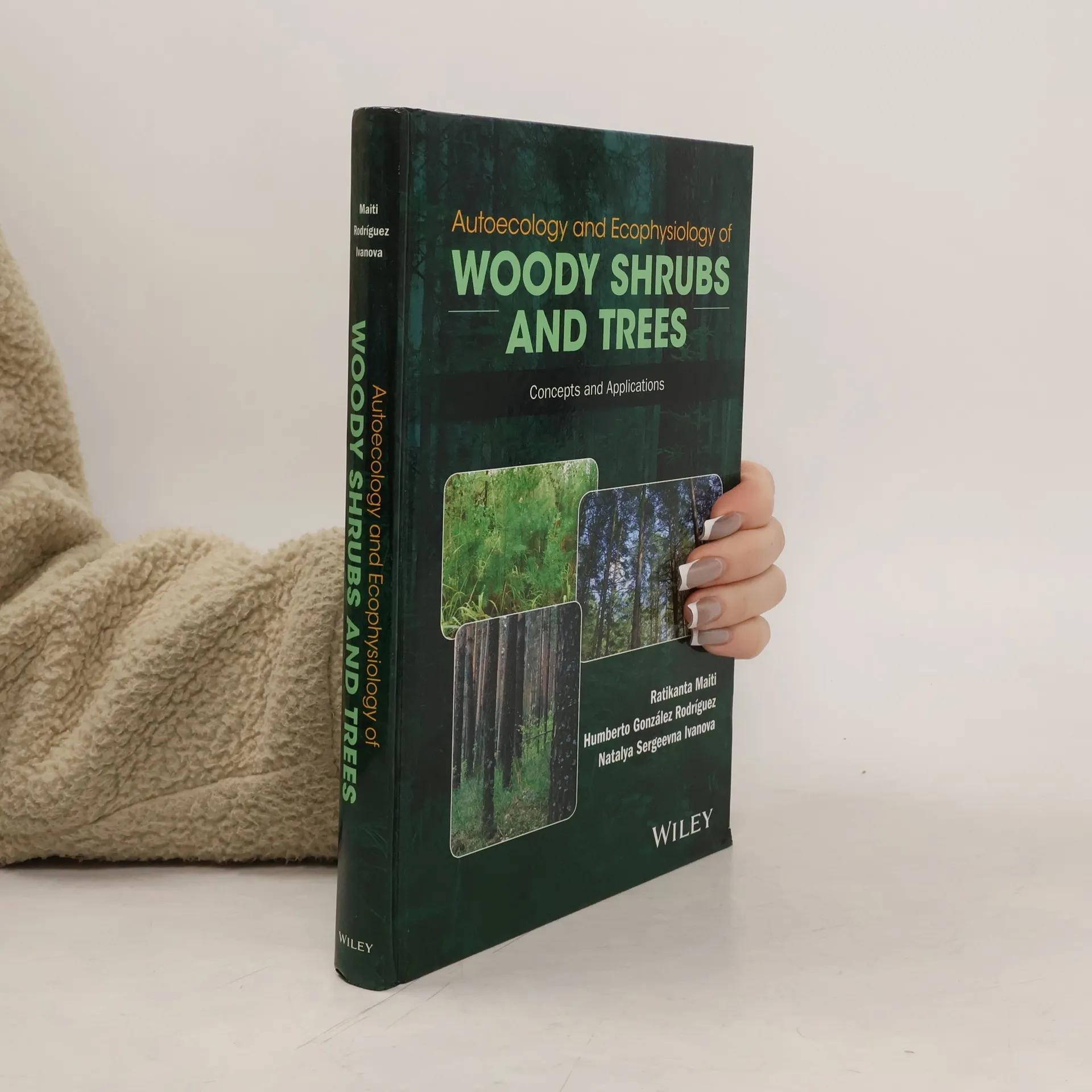
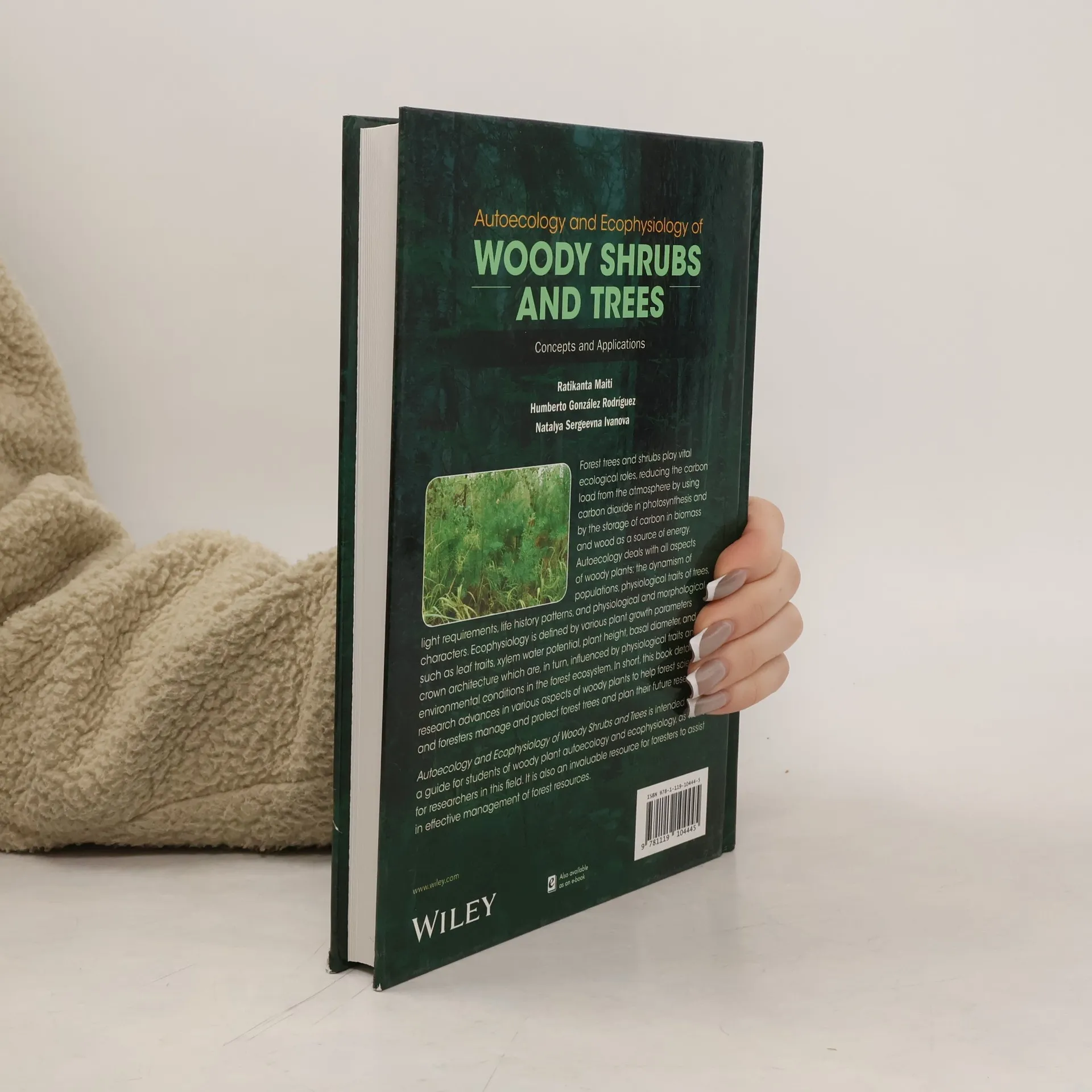
Forest trees and shrubs play vital ecological roles, reducing the carbon load from the atmosphere by using carbon dioxide in photosynthesis and by the storage of carbon in biomass and wood as a source of energy. Autoecology deals with all aspects of woody plants; the dynamism of populations, physiological traits of trees, light requirements, life history patterns, and physiological and morphological characters. Ecophysiology is defined by various plant growth parameters such as leaf traits, xylem water potential, plant height, basal diameter, and crown architecture which are, in turn, influenced by physiological traits and environmental conditions in the forest ecosystem. In short, this book details research advances in various aspects of woody plants to help forest scientists and foresters manage and protect forest trees and plan their future research. Autoecology and Ecophysiology of Woody Shrubs and Trees is intended to be a guide for students of woody plant autoecology and ecophysiology, as well as for researchers in this field. It is also an invaluable resource for foresters to assist in effective management of forest resources.
Book purchase
Autoecology and Ecophysiology of Woody Shrubs and Trees, Ratikanta Maiti, Humberto González Rodríguez, Natalya Sergeevna Ivanova
- Language

- Released
- 2016
- Binding
- (Hardcover)
Payment methods
We’re missing your review here.
- Title
- Autoecology and Ecophysiology of Woody Shrubs and Trees
- Subtitle
- Concepts and Applications
- Language
- English
- Publisher
- WILEY
- Released
- 2016
- Format
- Hardcover
- Pages
- 368
- ISBN10
- 1119104440
- ISBN13
- 9781119104445
- Series
- Categories
- Tags
- Natural sciences, Science, Plants, Technology, Environmental Themes, Trees, Forestry, Shrubs, Plant Ecology, Forest Ecology
- Rating
- 5 out of 5
- Description
- Forest trees and shrubs play vital ecological roles, reducing the carbon load from the atmosphere by using carbon dioxide in photosynthesis and by the storage of carbon in biomass and wood as a source of energy. Autoecology deals with all aspects of woody plants; the dynamism of populations, physiological traits of trees, light requirements, life history patterns, and physiological and morphological characters. Ecophysiology is defined by various plant growth parameters such as leaf traits, xylem water potential, plant height, basal diameter, and crown architecture which are, in turn, influenced by physiological traits and environmental conditions in the forest ecosystem. In short, this book details research advances in various aspects of woody plants to help forest scientists and foresters manage and protect forest trees and plan their future research. Autoecology and Ecophysiology of Woody Shrubs and Trees is intended to be a guide for students of woody plant autoecology and ecophysiology, as well as for researchers in this field. It is also an invaluable resource for foresters to assist in effective management of forest resources.