

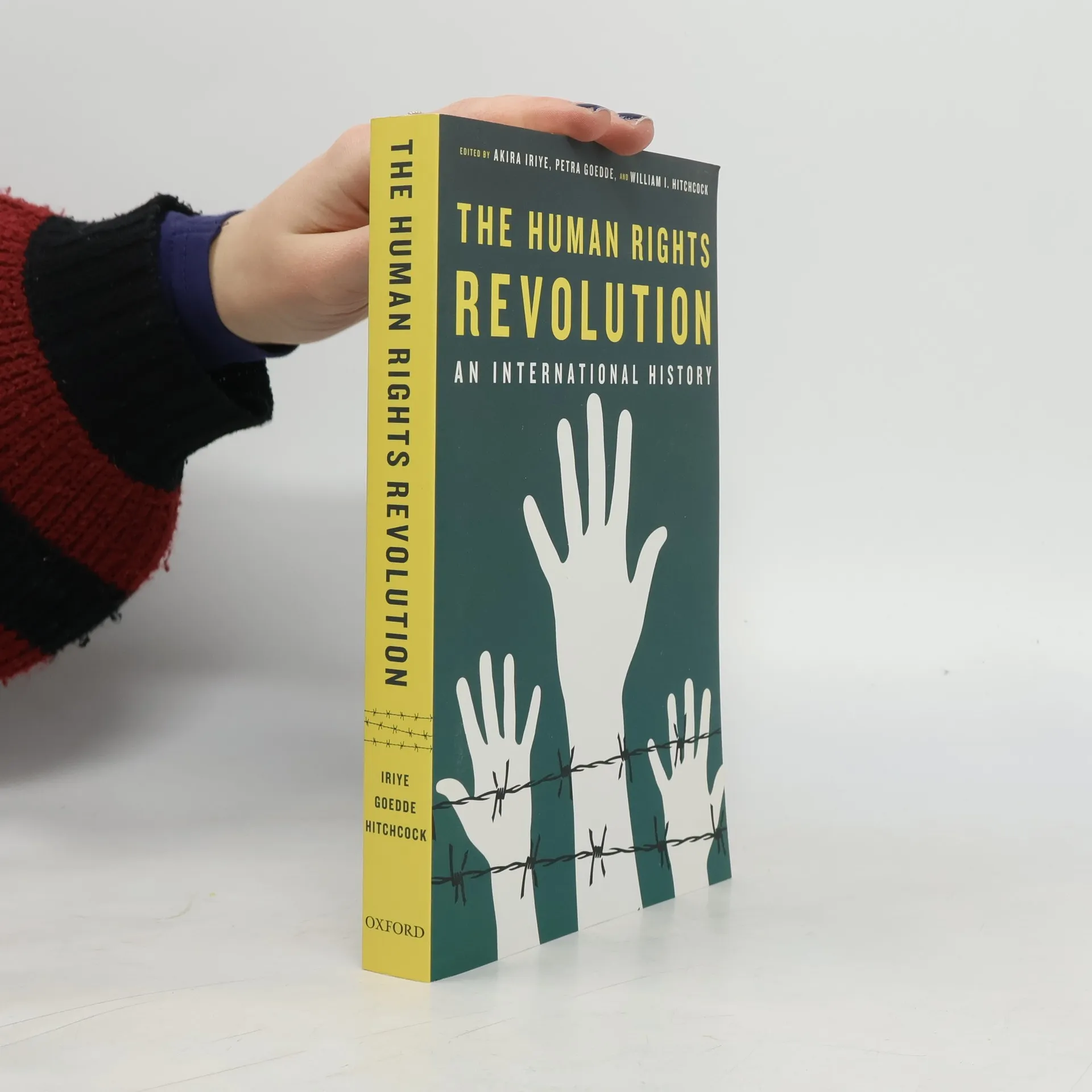


The Human Rights Revolution
An International History
Book rating
Parameters
- 368 pages
- 13 hours of reading
More about the book
Between the Second World War and the early 1970s, a human rights revolution emerged, driven by political leaders, activists, and citizens responding to the atrocities of the 1940s. This movement expanded to include claims from minorities, women, and marginalized communities worldwide, rooted in the fundamental belief that every individual, regardless of nationality, political views, or heritage, deserves dignity. From this core principle, a cascade of rights claims has significantly influenced world history. The contributors examine the surge of human rights legislation post-World War II, highlighting key milestones such as the UN Declaration of Human Rights, the Nuremberg trials, and the Geneva Conventions. They also explore the growth of human rights activism in the 1970s and beyond, including Amnesty International's anti-torture campaigns, human rights issues in Indonesia and East Timor, and the global fight against female genital mutilation. The volume concludes with reflections on the UN Declaration's 60th anniversary. By uniting esteemed scholars with emerging historians, these essays create a comprehensive agenda for the future study of human rights, emphasizing the ongoing significance of this transformative movement.
Book purchase
The Human Rights Revolution, William I. Hitchcock, Petra Goedde, Iriye Akira
- Language

- Released
- 2012
- Binding
- (Paperback)
Payment methods
We’re missing your review here.
- Title
- The Human Rights Revolution
- Subtitle
- An International History
- Language
- English
- Authors
- William I. Hitchcock, Petra Goedde, Iriye Akira
- Publisher
- Oxford University Press
- Released
- 2012
- Format
- Paperback
- Pages
- 368
- ISBN10
- 0195333144
- ISBN13
- 9780195333145
- Series
- Tags
- Historical Themes, Legal Topics, Politics, USA, 20th century, Professional Literature, Political Theories, Social History, Human Rights, Legal History, Political Aspects
- Rating
- 4 out of 5
- Description
- Between the Second World War and the early 1970s, a human rights revolution emerged, driven by political leaders, activists, and citizens responding to the atrocities of the 1940s. This movement expanded to include claims from minorities, women, and marginalized communities worldwide, rooted in the fundamental belief that every individual, regardless of nationality, political views, or heritage, deserves dignity. From this core principle, a cascade of rights claims has significantly influenced world history. The contributors examine the surge of human rights legislation post-World War II, highlighting key milestones such as the UN Declaration of Human Rights, the Nuremberg trials, and the Geneva Conventions. They also explore the growth of human rights activism in the 1970s and beyond, including Amnesty International's anti-torture campaigns, human rights issues in Indonesia and East Timor, and the global fight against female genital mutilation. The volume concludes with reflections on the UN Declaration's 60th anniversary. By uniting esteemed scholars with emerging historians, these essays create a comprehensive agenda for the future study of human rights, emphasizing the ongoing significance of this transformative movement.