

Parameters
- 288 pages
- 11 hours of reading
More about the book
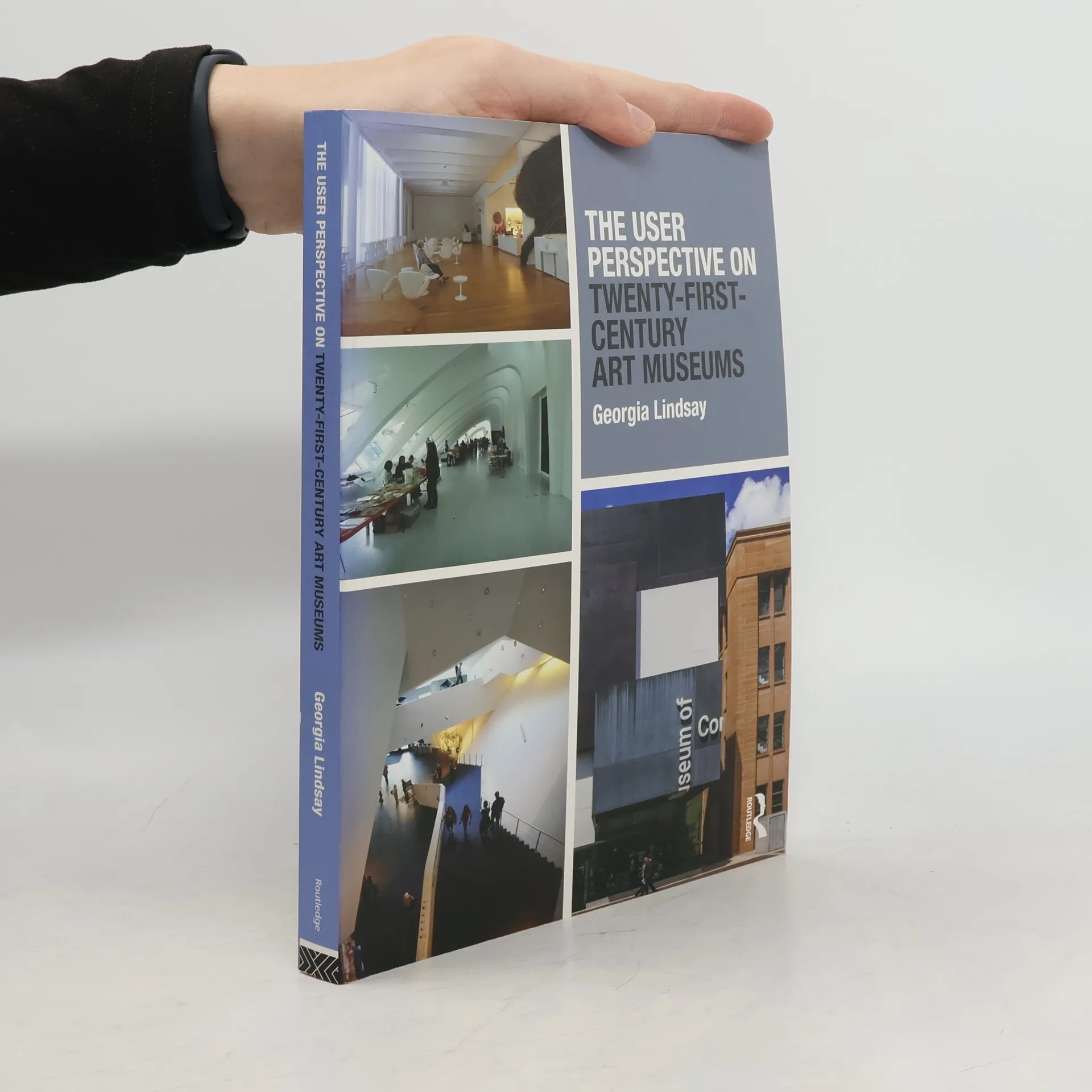
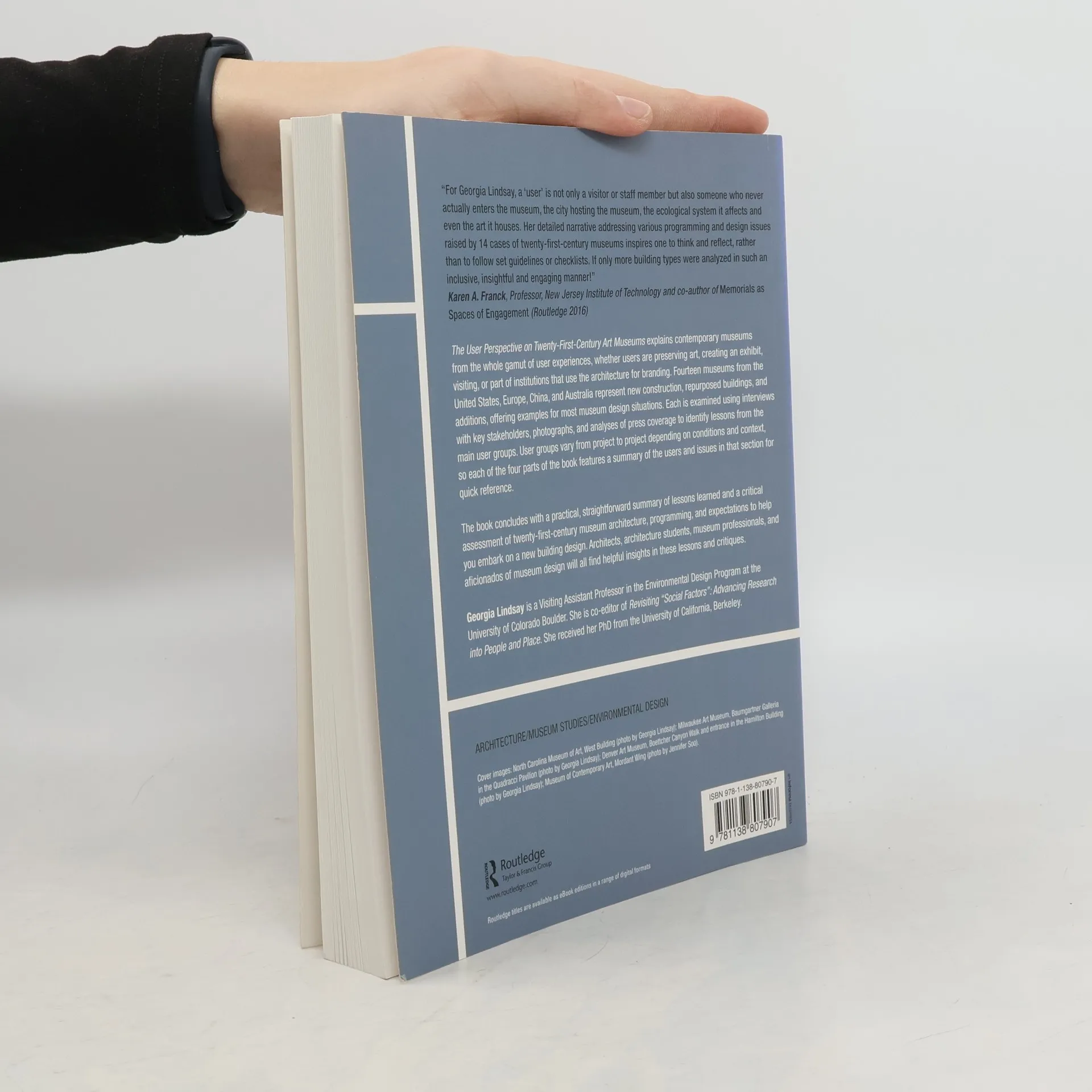
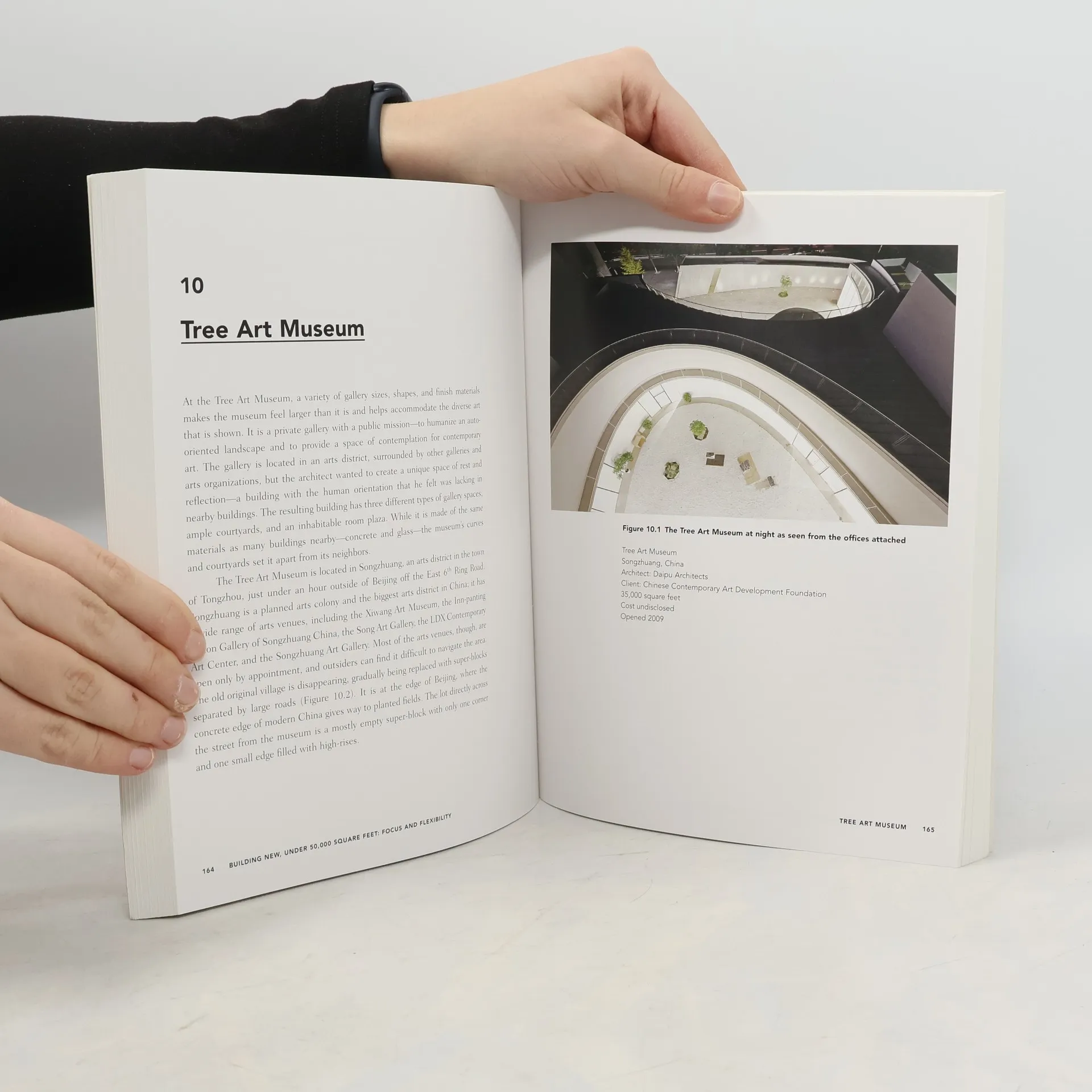
The User Perspective on Twenty-First Century Art Museums explains contemporary museums from the whole gamut of user experiences, whether users are preserving art, creating an exhibit, visiting, or part of institutions that use the architecture for branding. Fourteen museums from the United States, Europe, China, and Australia represent new construction, repurposed buildings, and additions, offering examples for most museum design situations. Each is examined using interviews with key stakeholders, photographs, and analyses of press coverage to identify lessons from the main user groups. User groups vary from project to project depending on conditions and context, so each of the four parts of the book features a summary of the users and issues in that section for quick reference. The book concludes with a practical, straightforward lessons-learned summary and a critical assessment of twenty-first-century museum architecture, programming, and expectations to help you embark on a new building design. Architects, architecture students, museum professionals, and aficionados of museum design will all find helpful insights in these lessons and critiques.
Book purchase
The User Perspective on Twenty-First-Century Art Museums, Georgia Lindsay
- Language

- Released
- 2016
- Binding
- (Paperback)
Payment methods
No one has rated yet.
- Title
- The User Perspective on Twenty-First-Century Art Museums
- Language
- English
- Authors
- Georgia Lindsay
- Publisher
- Routledge
- Released
- 2016
- Format
- Paperback
- Pages
- 288
- ISBN10
- 1138807907
- ISBN13
- 9781138807907
- Series
- Tags
- Art, Architecture, 21st Century, Museums, Museum Studies
- Description
- The User Perspective on Twenty-First Century Art Museums explains contemporary museums from the whole gamut of user experiences, whether users are preserving art, creating an exhibit, visiting, or part of institutions that use the architecture for branding. Fourteen museums from the United States, Europe, China, and Australia represent new construction, repurposed buildings, and additions, offering examples for most museum design situations. Each is examined using interviews with key stakeholders, photographs, and analyses of press coverage to identify lessons from the main user groups. User groups vary from project to project depending on conditions and context, so each of the four parts of the book features a summary of the users and issues in that section for quick reference. The book concludes with a practical, straightforward lessons-learned summary and a critical assessment of twenty-first-century museum architecture, programming, and expectations to help you embark on a new building design. Architects, architecture students, museum professionals, and aficionados of museum design will all find helpful insights in these lessons and critiques.