

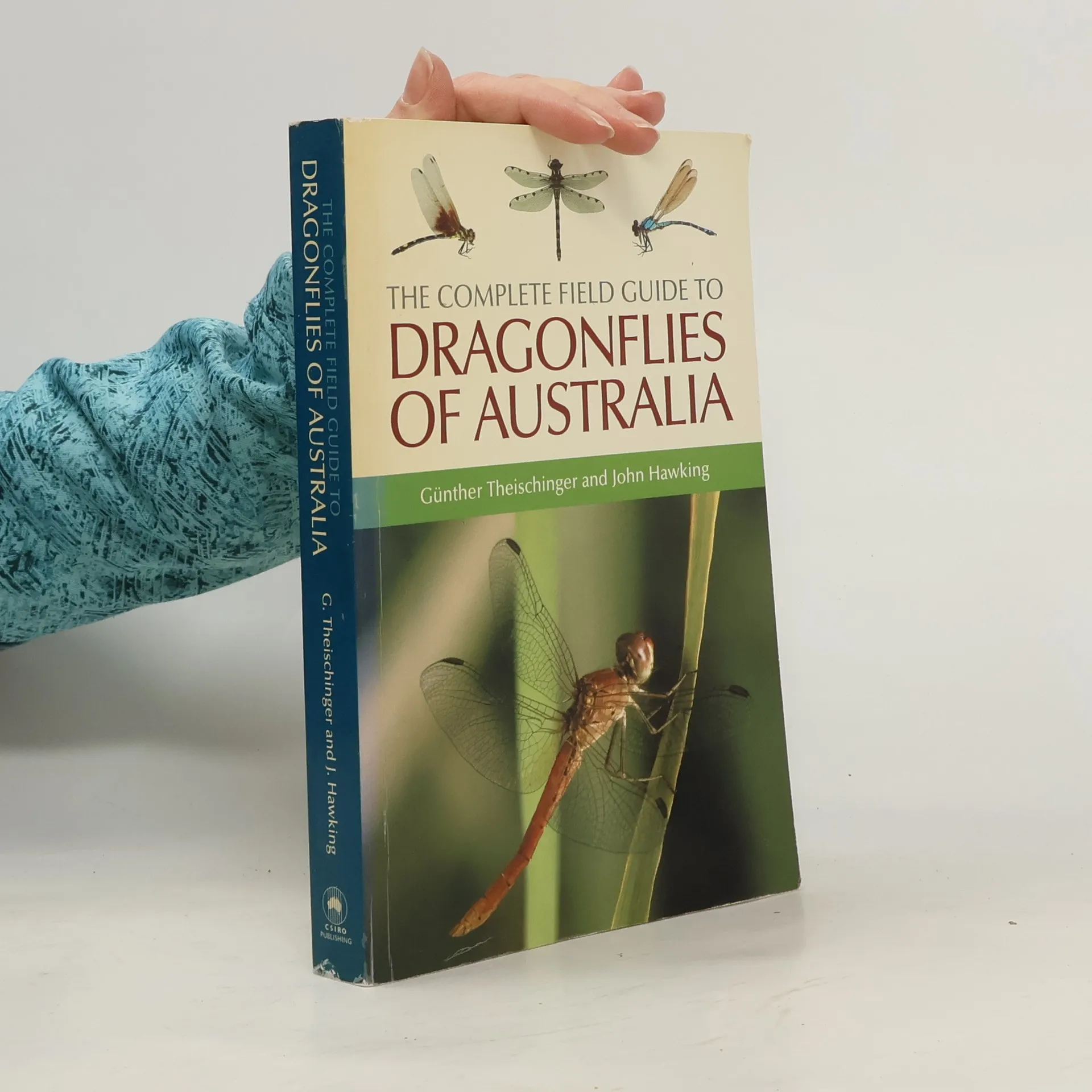
The Complete Field Guide to Dragonflies of Australia
Book rating
Parameters
- 376 pages
- 14 hours of reading
More about the book
Dragonflies and damselflies are conspicuous insects – many are large and brightly coloured. Here for the first time is a comprehensive guide to the Australian dragonfly fauna.The book includes identification keys not only for adults but also for their larvae, commonly known as "mud eyes" and often used as bait for freshwater fish. With stunning full-colour images and distribution maps, the book covers all 30 families, 110 genera and 324 species found in Australia.Dragonflies are valuable indicators of environmental well-being. A detailed knowledge of the dragonfly fauna and its changes is therefore an important basis for decisions about environmental protection and management. Their extraordinary diversity will interest entomologists and amateur naturalists alike.
Book purchase
The Complete Field Guide to Dragonflies of Australia, John Hawking, Günther Theischinger
- Language

- Released
- 2006
- Binding
- (Paperback)
Payment methods
We’re missing your review here.
- Title
- The Complete Field Guide to Dragonflies of Australia
- Language
- English
- Authors
- John Hawking, Günther Theischinger
- Publisher
- Csiro Publishing
- Released
- 2006
- Format
- Paperback
- Pages
- 376
- ISBN10
- 0643090738
- ISBN13
- 9780643090736
- Series
- Tags
- Historical Themes, Nature, Natural sciences, References & Manuals, Animals, Science, Environmental Themes, Professional Literature, Australia, Nature Observation, Zoology, Wild Animals, Oceania, Entomology
- Rating
- 3.75 out of 5
- Description
- Dragonflies and damselflies are conspicuous insects – many are large and brightly coloured. Here for the first time is a comprehensive guide to the Australian dragonfly fauna.The book includes identification keys not only for adults but also for their larvae, commonly known as "mud eyes" and often used as bait for freshwater fish. With stunning full-colour images and distribution maps, the book covers all 30 families, 110 genera and 324 species found in Australia.Dragonflies are valuable indicators of environmental well-being. A detailed knowledge of the dragonfly fauna and its changes is therefore an important basis for decisions about environmental protection and management. Their extraordinary diversity will interest entomologists and amateur naturalists alike.