


More about the book
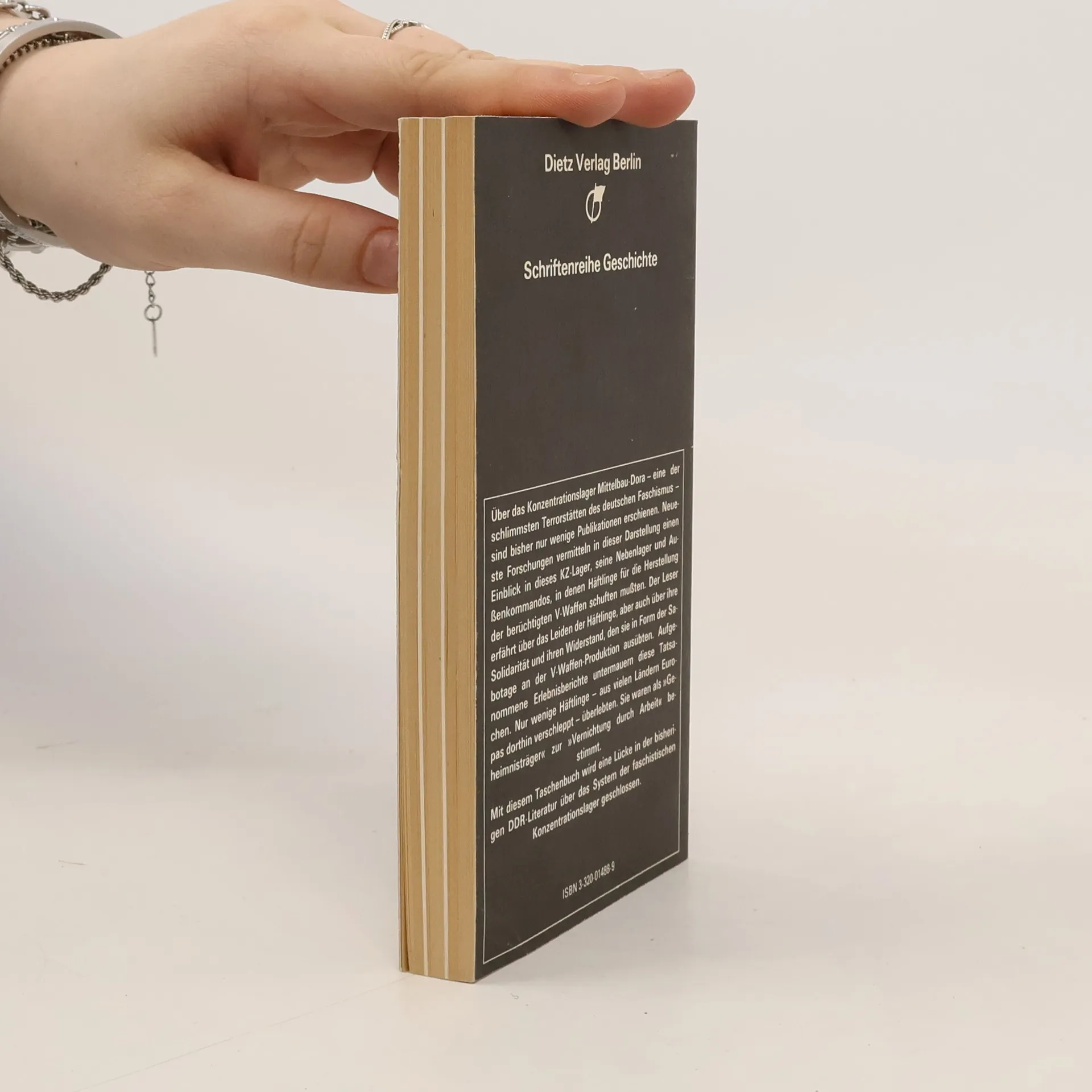
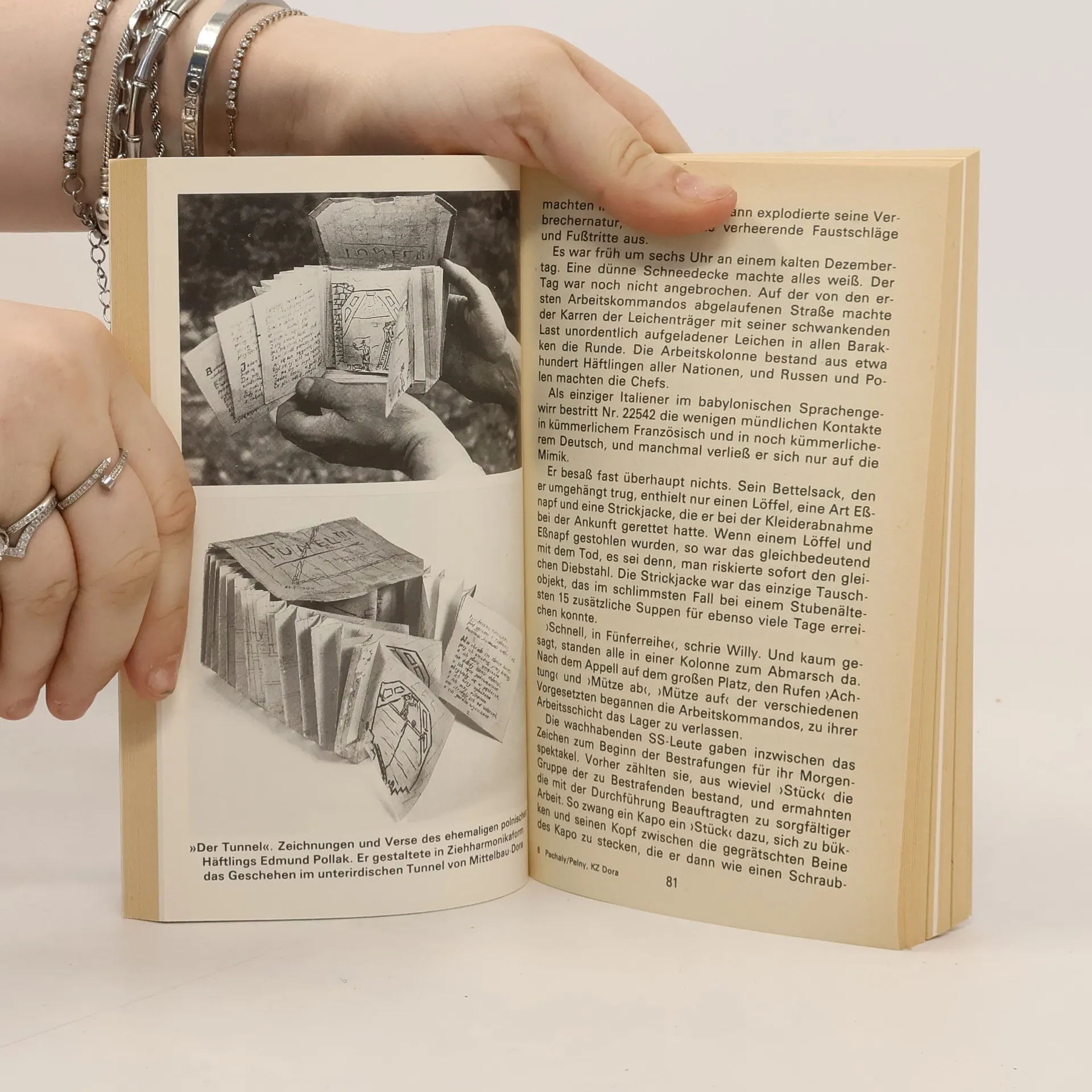
A history of the Dora labor camp, organized in August 1943, whose inmates manufactured rockets in underground tunnels under inhuman conditions. Emphasizes the organization and resistance of political prisoners. Of the other prisoners, many were Jews. Pp. 96-104 contain reminiscences by Wolfgang Gross, who was an 18-year-old Jew from Breslau when he came to Dora from the Monowitz labor camp adjacent to Auschwitz (as he related to one of the authors in 1982). Pp. 113-116 describe transports consisting mainly of Hungarian and Polish Jewish women and children who labored under the same conditions as the men. Notes that the treatment of Jewish prisoners was so brutal that others felt themselves privileged in comparison.
Book purchase
Schriftenreihe Geschichte: Konzentrationslager Mittelbau-Dora, Erhard Pachaly, Kurt Pelny
- Language

- Released
- 1990
- Binding
- (Paperback)
Payment methods
No one has rated yet.
- Title
- Schriftenreihe Geschichte: Konzentrationslager Mittelbau-Dora
- Subtitle
- Zum antifaschistischen Widerstandskampf im KZ Dora, 1943 bis 1945
- Language
- German
- Authors
- Erhard Pachaly, Kurt Pelny
- Publisher
- Dietz
- Released
- 1990
- Format
- Paperback
- Pages
- 268
- ISBN10
- 3320014889
- ISBN13
- 9783320014889
- Series
- Tags
- Other History, Wars, Holocaust
- Description
- A history of the Dora labor camp, organized in August 1943, whose inmates manufactured rockets in underground tunnels under inhuman conditions. Emphasizes the organization and resistance of political prisoners. Of the other prisoners, many were Jews. Pp. 96-104 contain reminiscences by Wolfgang Gross, who was an 18-year-old Jew from Breslau when he came to Dora from the Monowitz labor camp adjacent to Auschwitz (as he related to one of the authors in 1982). Pp. 113-116 describe transports consisting mainly of Hungarian and Polish Jewish women and children who labored under the same conditions as the men. Notes that the treatment of Jewish prisoners was so brutal that others felt themselves privileged in comparison.