

More about the book
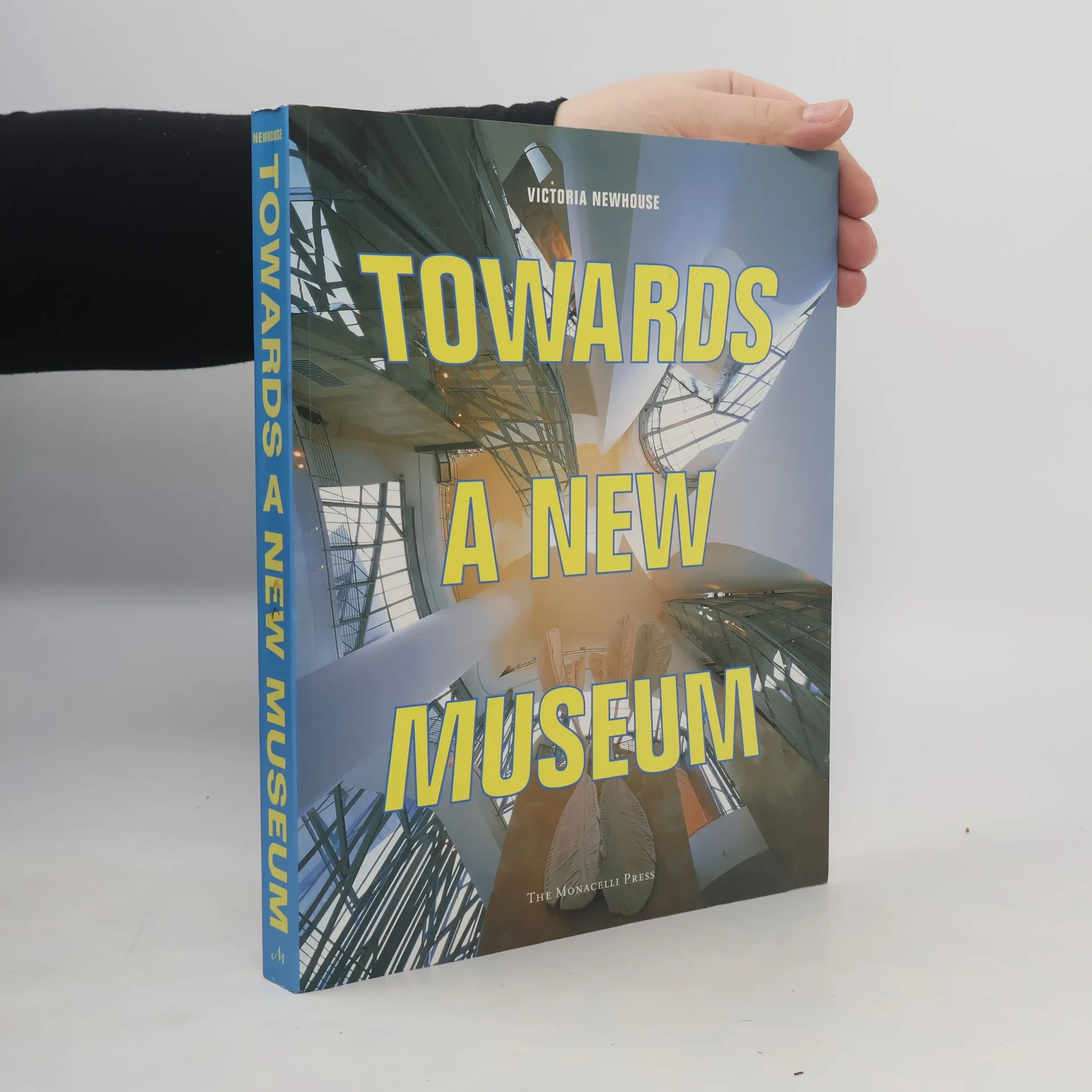
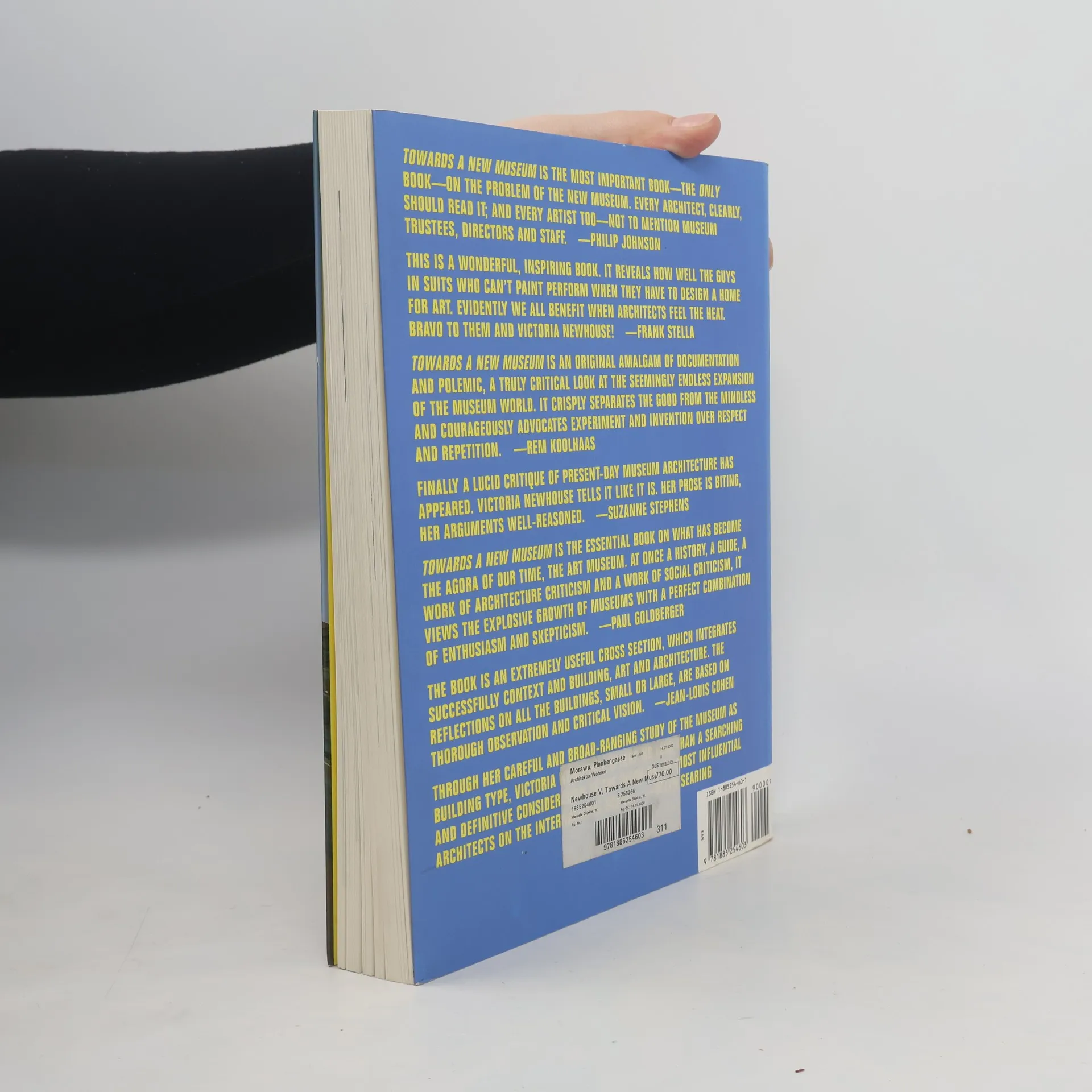
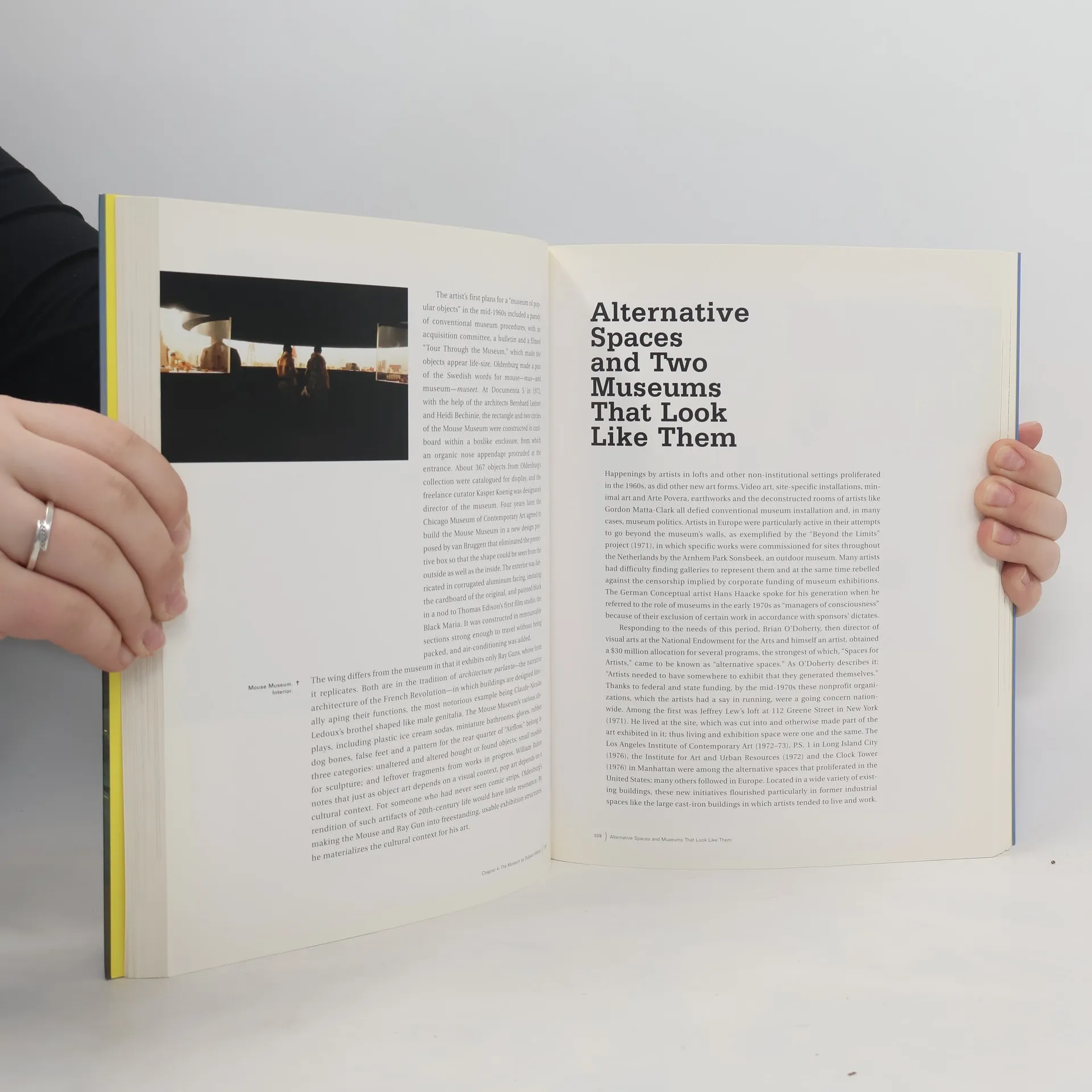
The last thirty years of the twentieth century witnessed the emergence of over six hundred art museums in the United States, paralleled by similar growth in Europe. Iconic structures like Frank Gehry's Guggenheim in Bilbao and Richard Meier's Getty Center in Los Angeles have captured global media attention. The success or failure of these museums, assessed through aesthetic, educational, and financial lenses, is largely influenced by their architectural design. Architectural historian Victoria Newhouse critically examines established beliefs surrounding museum design, revealing that many new museums are rooted in outdated concepts. Her analysis, enriched by interviews with museum directors, curators, collectors, artists, and architects, categorizes museums by their defining traits: private collections, single-artist museums, sacred spaces, artists' self-created sites, and museum expansions. Alongside the Getty and Guggenheim, Newhouse explores notable institutions such as the Menil Collection in Houston, the Andy Warhol Museum in Pittsburgh, the Kiasma Museum in Helsinki, Donald Judd's Chinati Foundation in Marfa, the Metropolitan Museum of Art, the Museum of Modern Art in New York, the Grand Louvre, and the Centre Georges Pompidou in Paris, among others.
Book purchase
Towards a New Museum, Victoria Newhouse
- Language

- Released
- 1998
- Binding
- (Paperback)
Payment methods
We’re missing your review here.
- Title
- Towards a New Museum
- Language
- English
- Authors
- Victoria Newhouse
- Publisher
- Monacelli Press
- Released
- 1998
- Format
- Paperback
- Pages
- 288
- ISBN10
- 1885254601
- ISBN13
- 9781885254603
- Series
- Rating
- 4 out of 5
- Description
- The last thirty years of the twentieth century witnessed the emergence of over six hundred art museums in the United States, paralleled by similar growth in Europe. Iconic structures like Frank Gehry's Guggenheim in Bilbao and Richard Meier's Getty Center in Los Angeles have captured global media attention. The success or failure of these museums, assessed through aesthetic, educational, and financial lenses, is largely influenced by their architectural design. Architectural historian Victoria Newhouse critically examines established beliefs surrounding museum design, revealing that many new museums are rooted in outdated concepts. Her analysis, enriched by interviews with museum directors, curators, collectors, artists, and architects, categorizes museums by their defining traits: private collections, single-artist museums, sacred spaces, artists' self-created sites, and museum expansions. Alongside the Getty and Guggenheim, Newhouse explores notable institutions such as the Menil Collection in Houston, the Andy Warhol Museum in Pittsburgh, the Kiasma Museum in Helsinki, Donald Judd's Chinati Foundation in Marfa, the Metropolitan Museum of Art, the Museum of Modern Art in New York, the Grand Louvre, and the Centre Georges Pompidou in Paris, among others.