

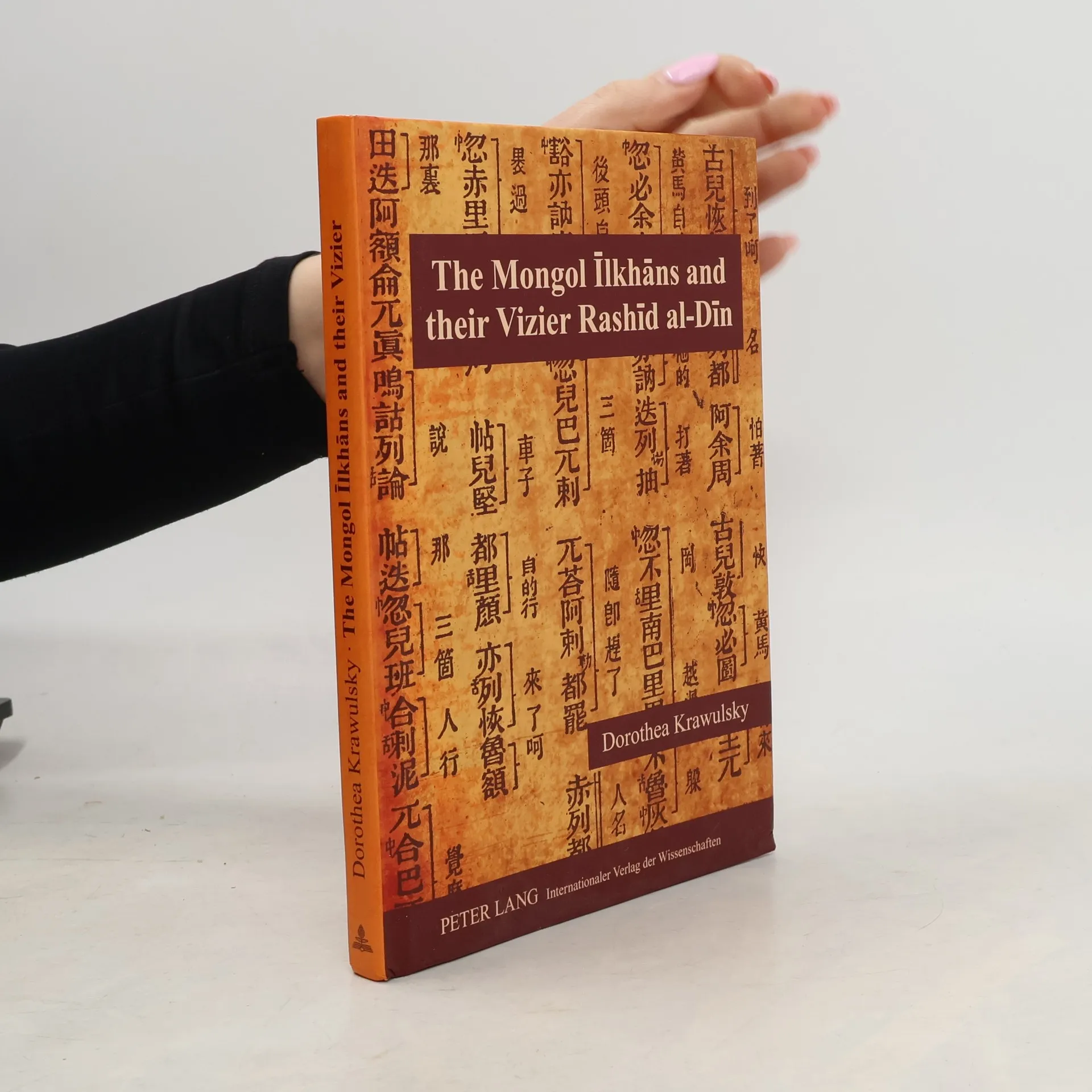

The Mongol Īlkhāns And Their Vizier Rashīd Al-Dīn
Authors
More about the book
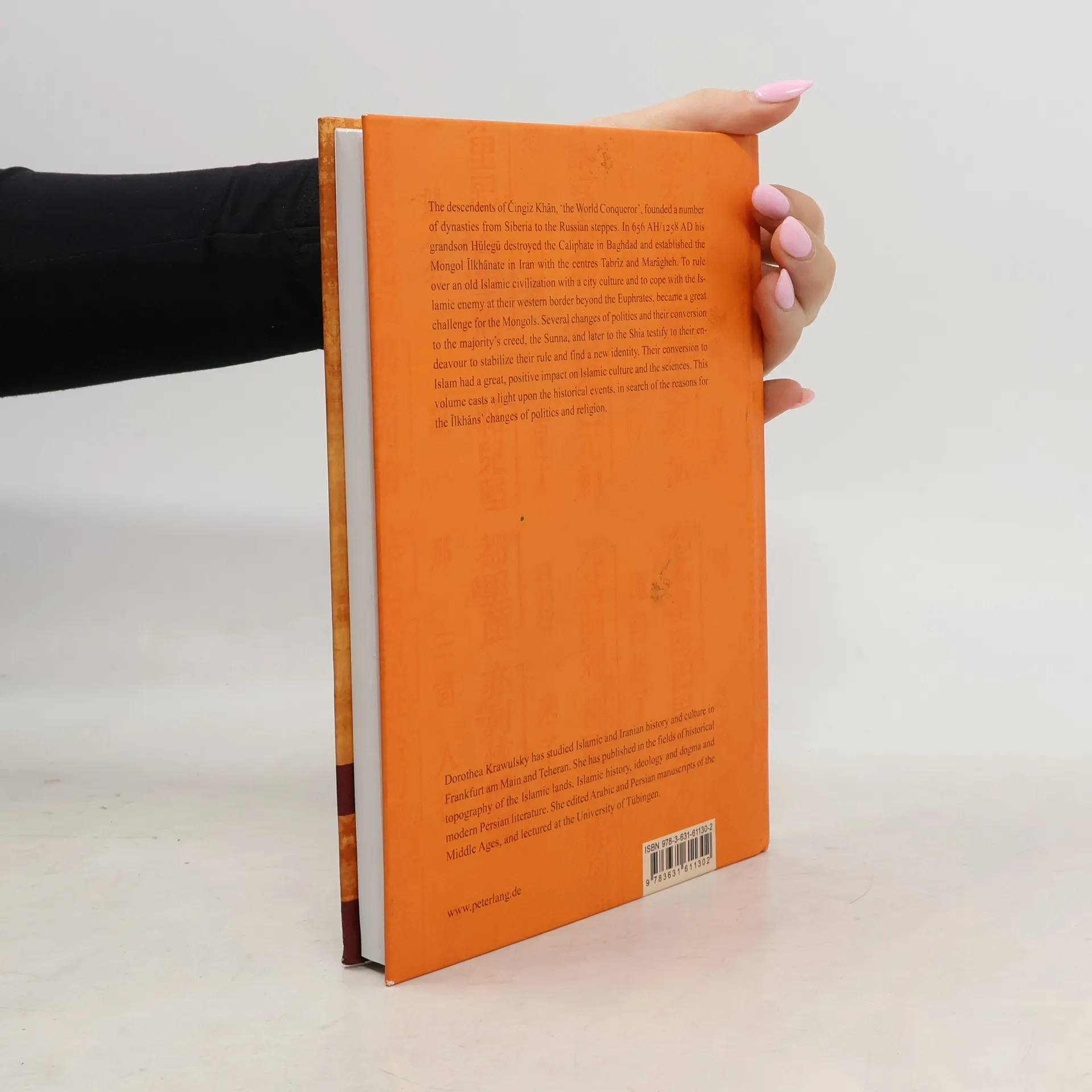
The descendents of Čingiz Khān, ‘the World Conqueror’, founded a number of dynasties from Siberia to the Russian steppes. In 656 AH/1258 AD his grandson Hülegü destroyed the Caliphate in Baghdad and established the Mongol Īlkhānate in Iran with the centres Tabrīz and Marāgheh. To rule over an old Islamic civilization with a city culture and to cope with the Islamic enemy at their western border beyond the Euphrates, became a great challenge for the Mongols. Several changes of politics and their conversion to the majority’s creed, the Sunna, and later to the Shia testify to their endeavour to stabilize their rule and find a new identity. Their conversion to Islam had a great, positive impact on Islamic culture and the sciences. This volume casts a light upon the historical events, in search of the reasons for the Īlkhāns’ changes of politics and religion.
Book purchase
The Mongol Īlkhāns And Their Vizier Rashīd Al-Dīn, Dorothea Krawulsky
- Language

- Released
- 2011
- Binding
- (Hardcover)
Payment methods
No one has rated yet.
- Title
- The Mongol Īlkhāns And Their Vizier Rashīd Al-Dīn
- Language
- English
- Authors
- Dorothea Krawulsky
- Publisher
- Peter Lang
- Released
- 2011
- Format
- Hardcover
- Pages
- 156
- ISBN10
- 3631611307
- ISBN13
- 9783631611302
- Series
- Tags
- Historical Themes, Politics, Germany, Professional Literature, Asia, Humanities, Iran, Customs and Traditions, Ideology, North Africa, Oral History
- Description
- The descendents of Čingiz Khān, ‘the World Conqueror’, founded a number of dynasties from Siberia to the Russian steppes. In 656 AH/1258 AD his grandson Hülegü destroyed the Caliphate in Baghdad and established the Mongol Īlkhānate in Iran with the centres Tabrīz and Marāgheh. To rule over an old Islamic civilization with a city culture and to cope with the Islamic enemy at their western border beyond the Euphrates, became a great challenge for the Mongols. Several changes of politics and their conversion to the majority’s creed, the Sunna, and later to the Shia testify to their endeavour to stabilize their rule and find a new identity. Their conversion to Islam had a great, positive impact on Islamic culture and the sciences. This volume casts a light upon the historical events, in search of the reasons for the Īlkhāns’ changes of politics and religion.