

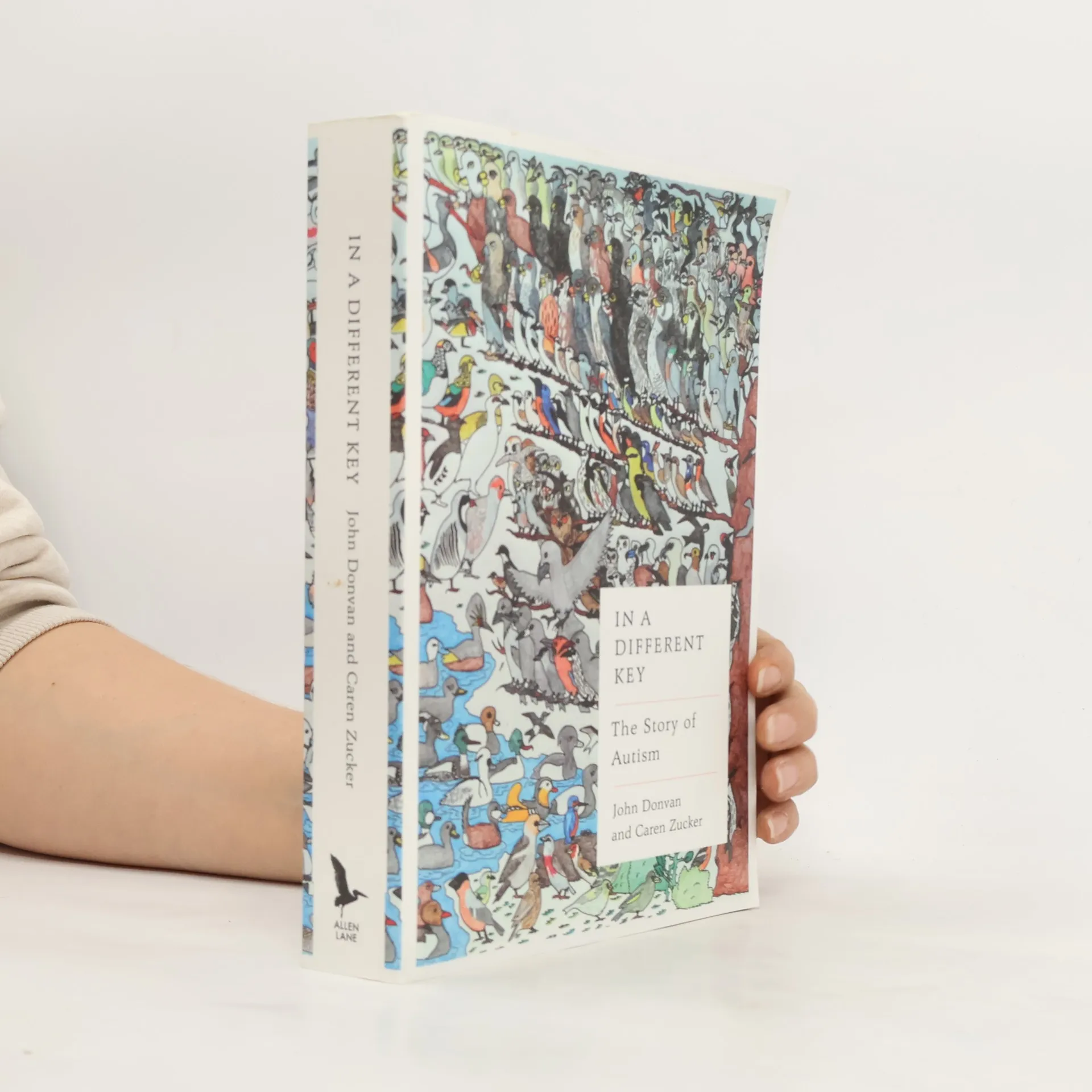
More about the book
Nearly seventy-five years ago, Donald Triplett of Forest, Mississippi became the first child diagnosed with autism. Beginning with his family’s journey, this narrative tells the extraordinary story of autism and the civil rights battles fought by families affected by it. Spanning decades, it chronicles the efforts of ordinary people striving to secure a place for those with autism in society—liberating children from institutions, advocating for educational rights, challenging expert opinions, and promoting acceptance of differences. Key figures include Ruth Sullivan, who opposed the notion that “refrigerator mothers” caused autism, and fathers who urged scientists to seek effective treatments. Pioneers like Leo Kanner advanced our understanding, while advocates such as Temple Grandin and Ari Ne’eman articulated their experiences and championed neurodiversity. The story also delves into controversies, including debates over an autism “epidemic,” vaccine connections, and the ethics of treatments like facilitated communication. Darker aspects reveal unethical experiments involving LSD and electric shocks, as well as Hans Asperger’s troubling ties to Nazi policies. This narrative takes us from an era of shame and institutionalization to one where individuals with autism advocate for recognition as a difference rather than a disability.
Book purchase
In a Different Key, John Donvan, Caren Zucker
- Language

- Released
- 2016
- Binding
- (Paperback)
Payment methods
We’re missing your review here.
- Title
- In a Different Key
- Subtitle
- The Story of Autism
- Language
- English
- Authors
- John Donvan, Caren Zucker
- Publisher
- Penguin Random House LLC
- Released
- 2016
- Format
- Paperback
- Pages
- 670
- ISBN10
- 0241261635
- ISBN13
- 9780241261637
- Series
- Categories
- Rating
- 4 out of 5
- Description
- Nearly seventy-five years ago, Donald Triplett of Forest, Mississippi became the first child diagnosed with autism. Beginning with his family’s journey, this narrative tells the extraordinary story of autism and the civil rights battles fought by families affected by it. Spanning decades, it chronicles the efforts of ordinary people striving to secure a place for those with autism in society—liberating children from institutions, advocating for educational rights, challenging expert opinions, and promoting acceptance of differences. Key figures include Ruth Sullivan, who opposed the notion that “refrigerator mothers” caused autism, and fathers who urged scientists to seek effective treatments. Pioneers like Leo Kanner advanced our understanding, while advocates such as Temple Grandin and Ari Ne’eman articulated their experiences and championed neurodiversity. The story also delves into controversies, including debates over an autism “epidemic,” vaccine connections, and the ethics of treatments like facilitated communication. Darker aspects reveal unethical experiments involving LSD and electric shocks, as well as Hans Asperger’s troubling ties to Nazi policies. This narrative takes us from an era of shame and institutionalization to one where individuals with autism advocate for recognition as a difference rather than a disability.