


Parameters
- 166 pages
- 6 hours of reading
More about the book
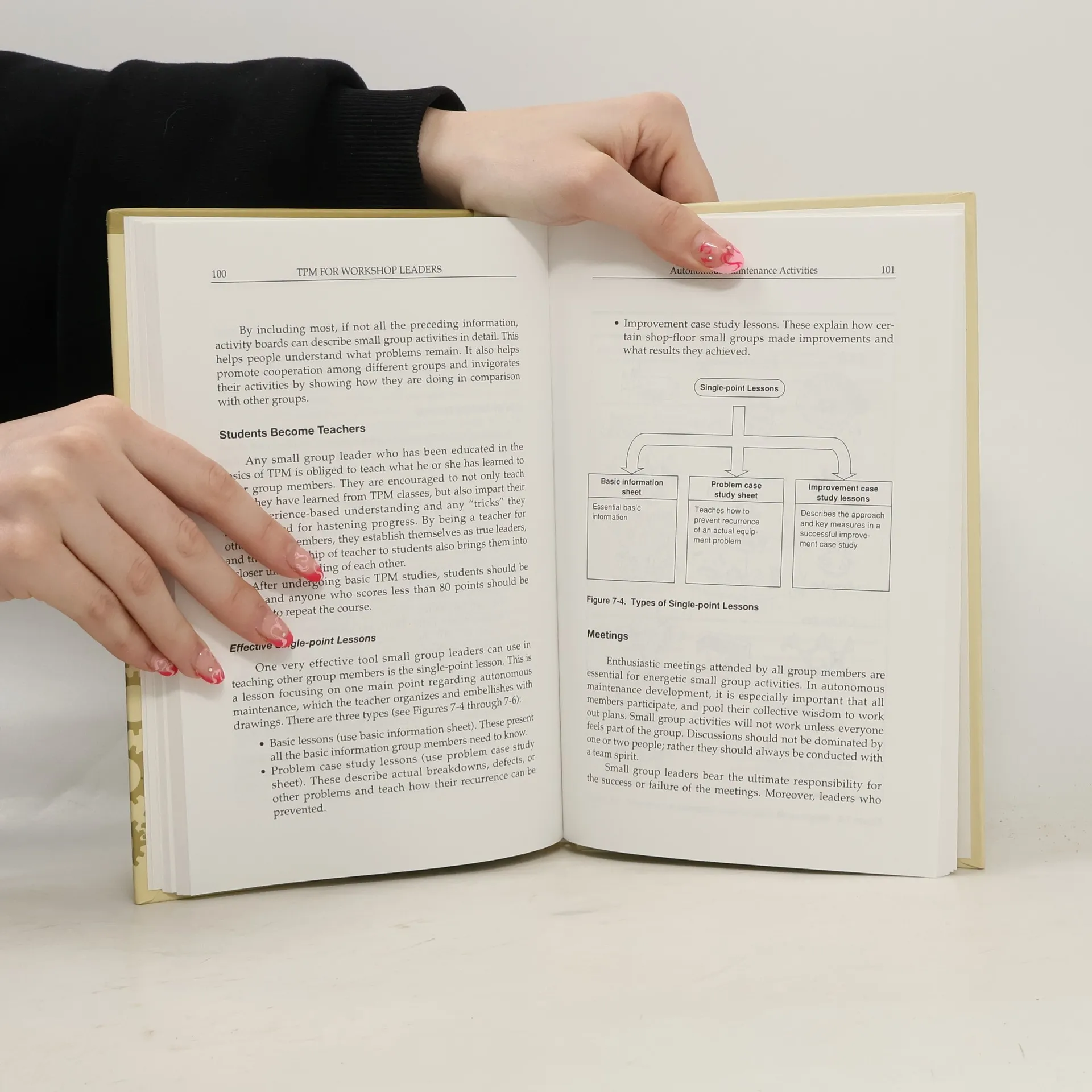
Workshop leaders play a central role in your company's efforts to implement TPM. Once your workers have been divided into small groups to learn the fundamentals of TPM, it is the group leader who spearheads ongoing training and implementation activities. With quick-reading, people-oriented practicality, this new book addresses the role of the workshop leader in maximizing the benefits of TPM.A top TPM consultant in Japan, Kunio Shirose: He also addresses the cooperative relationship necessary between maintenance and production and leaves you with an understanding of the three imperatives for successful TPM implementation to change the quality and functioning of the equipment, the way operators think about equipment, and the workplace. (Originally published by the Japan Management Association.)
Book purchase
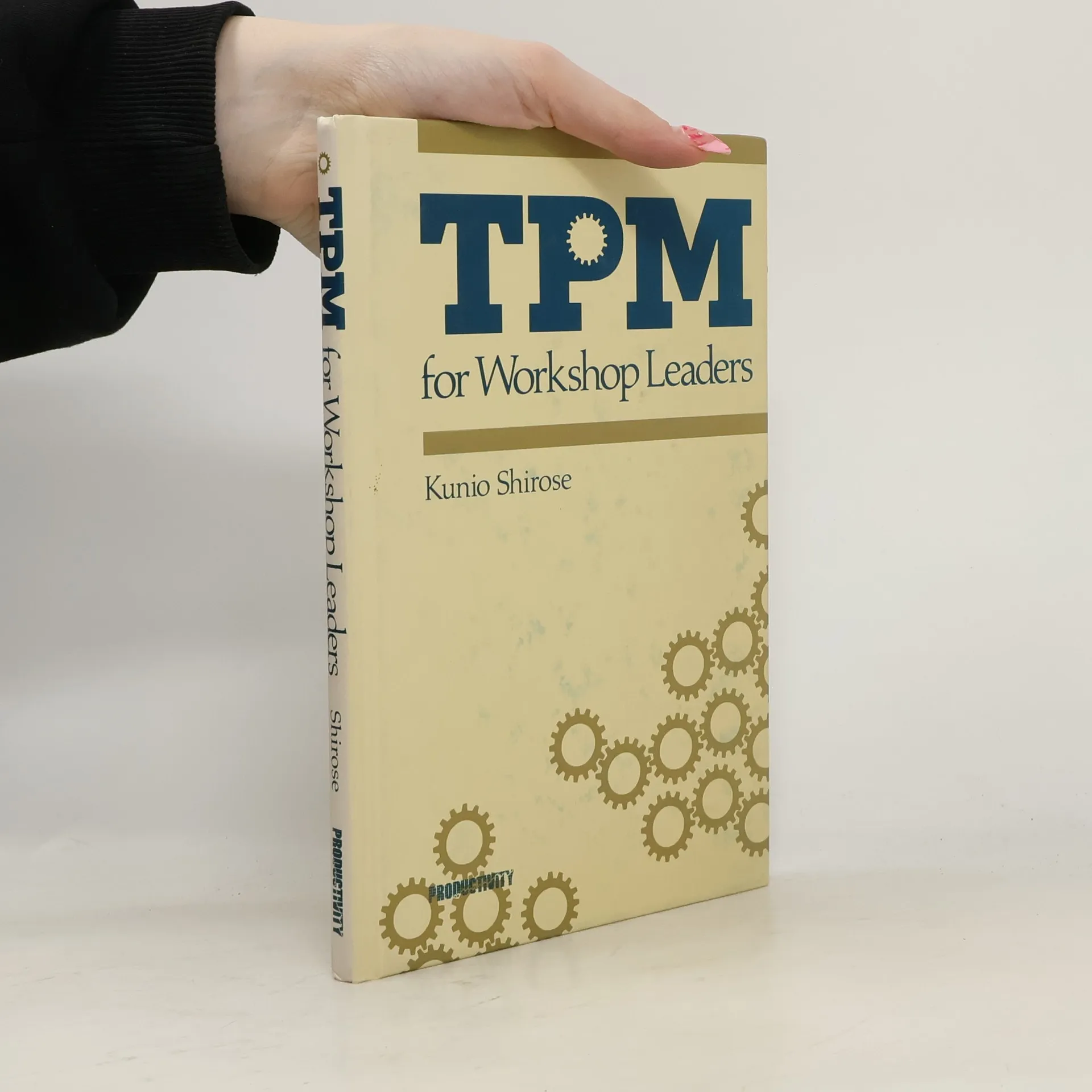
TPM for Workshop Leaders, Kunio Shirose
- Language

- Released
- 1992
- Binding
- (Paperback)
Payment methods
We’re missing your review here.
- Title
- TPM for Workshop Leaders
- Language
- English
- Authors
- Kunio Shirose
- Publisher
- Productivity Press
- Released
- 1992
- Format
- Paperback
- Pages
- 166
- ISBN10
- 0915299925
- ISBN13
- 9780915299928
- Series
- Rating
- 4.4 out of 5
- Description
- Workshop leaders play a central role in your company's efforts to implement TPM. Once your workers have been divided into small groups to learn the fundamentals of TPM, it is the group leader who spearheads ongoing training and implementation activities. With quick-reading, people-oriented practicality, this new book addresses the role of the workshop leader in maximizing the benefits of TPM.A top TPM consultant in Japan, Kunio Shirose: He also addresses the cooperative relationship necessary between maintenance and production and leaves you with an understanding of the three imperatives for successful TPM implementation to change the quality and functioning of the equipment, the way operators think about equipment, and the workplace. (Originally published by the Japan Management Association.)