

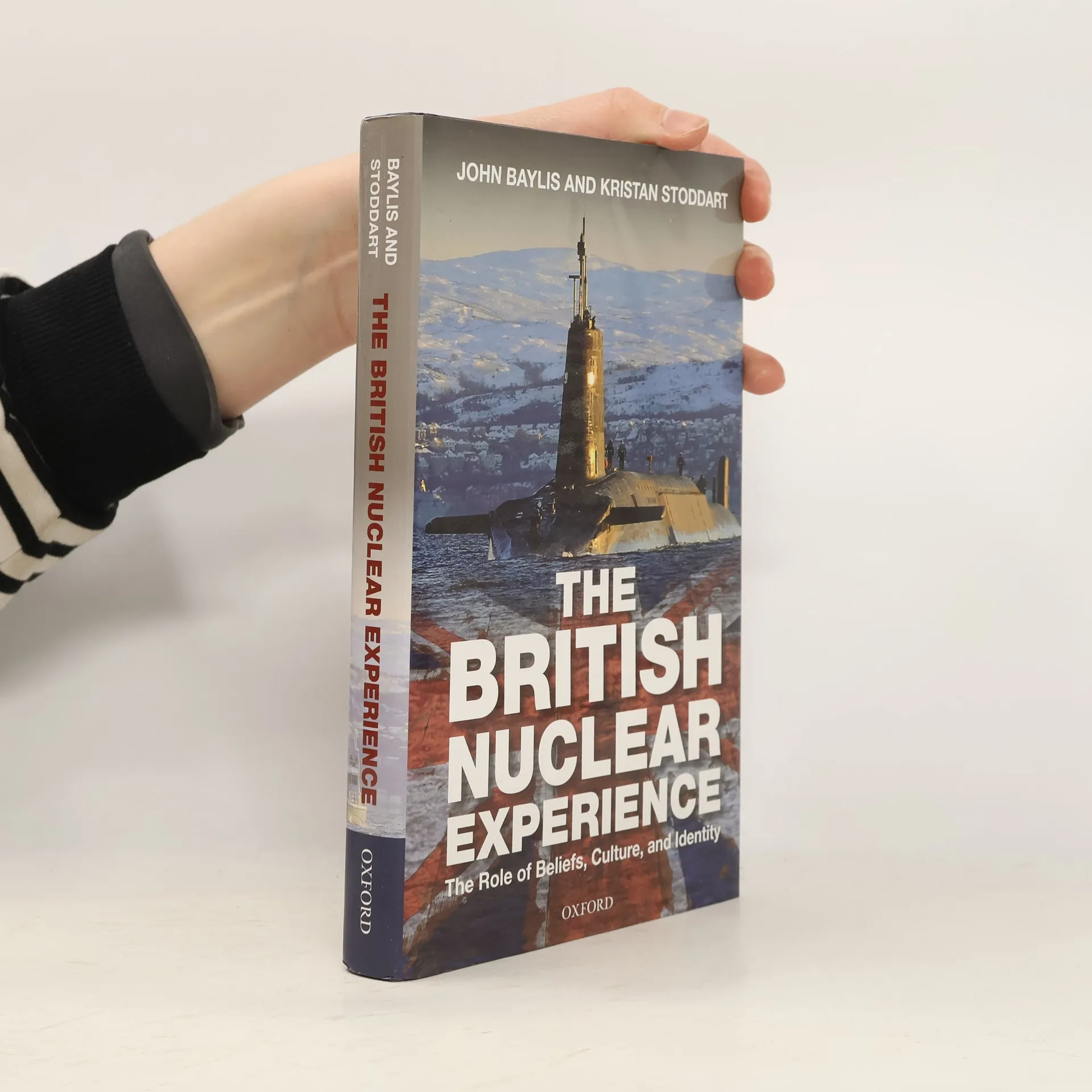


The British Nuclear Experience
The Roles of Beliefs, Culture and Identity
Authors
Book rating
Parameters
- 312 pages
- 11 hours of reading
More about the book
Based on a detailed analysis of archives and high level interviews this book looks at the role of beliefs, culture and identity in the making of British nuclear policy from 1945 through to the present day. This book also examines Britain's nuclear experience by moving away from tradtional interpretations of why states develop and maintain nuclear weapons by adopting a more contemporary approach to political theory.Traditional mainstream explanations tend to stress the importance of factors such as the 'maximization of power', the persuit of 'national security interests' and the role of 'structure' in a largely anarchic international system. This book does not dismiss these approaches, but argues that British experience suggests that focusing on 'beliefs', 'culture' and 'identity', provides a more useful insight and distinctive intepretation into the process of British nuclear decision making than the more traditional approaches.
Book purchase
The British Nuclear Experience, John Baylis, Kristan Stoddart
- Language

- Released
- 2015
- Binding
- (Hardcover)
Payment methods
We’re missing your review here.
- Title
- The British Nuclear Experience
- Subtitle
- The Roles of Beliefs, Culture and Identity
- Language
- English
- Authors
- John Baylis, Kristan Stoddart
- Publisher
- Oxford University Press
- Released
- 2015
- Format
- Hardcover
- Pages
- 312
- ISBN10
- 0198702027
- ISBN13
- 9780198702023
- Series
- Categories
- Tags
- Historical Themes, 20th century, Technology, Great Britain, Political Theories, 21st Century, International Relations, Civil Law, Strategy, Nuclear Weapons, Military Policy
- Rating
- 4 out of 5
- Description
- Based on a detailed analysis of archives and high level interviews this book looks at the role of beliefs, culture and identity in the making of British nuclear policy from 1945 through to the present day. This book also examines Britain's nuclear experience by moving away from tradtional interpretations of why states develop and maintain nuclear weapons by adopting a more contemporary approach to political theory.Traditional mainstream explanations tend to stress the importance of factors such as the 'maximization of power', the persuit of 'national security interests' and the role of 'structure' in a largely anarchic international system. This book does not dismiss these approaches, but argues that British experience suggests that focusing on 'beliefs', 'culture' and 'identity', provides a more useful insight and distinctive intepretation into the process of British nuclear decision making than the more traditional approaches.