

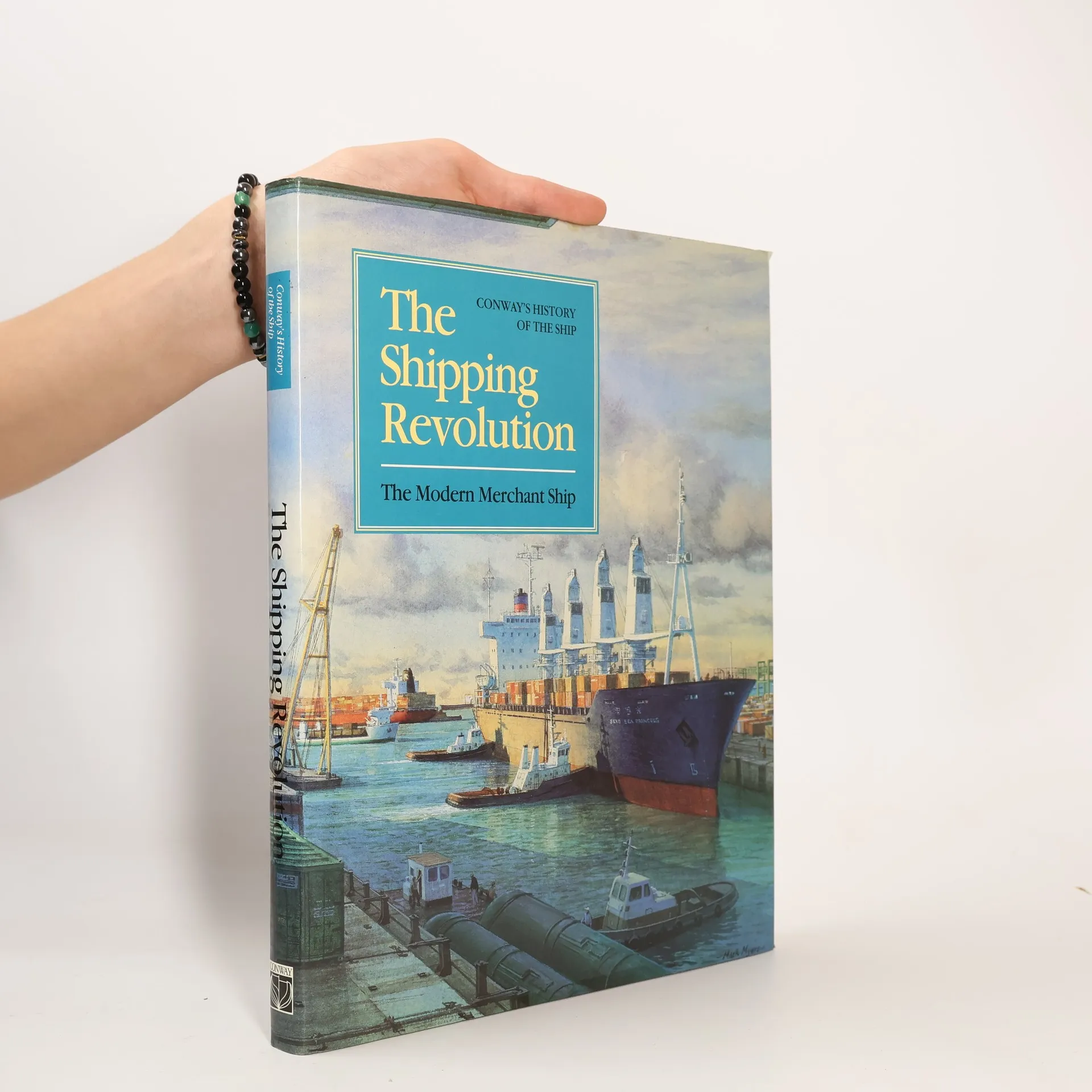
The Shipping Revolution
The Modern Merchant Ship
Parameters
More about the book
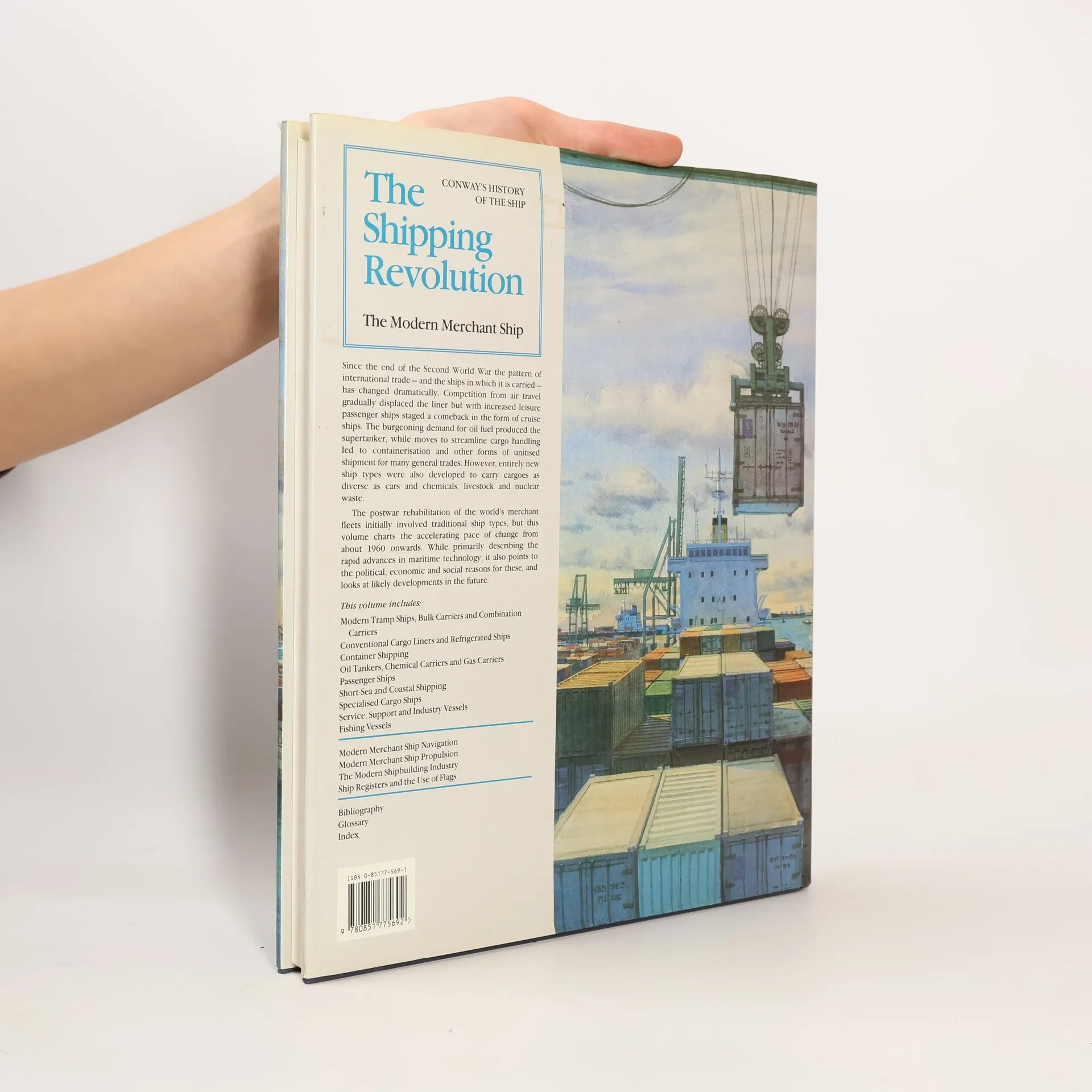
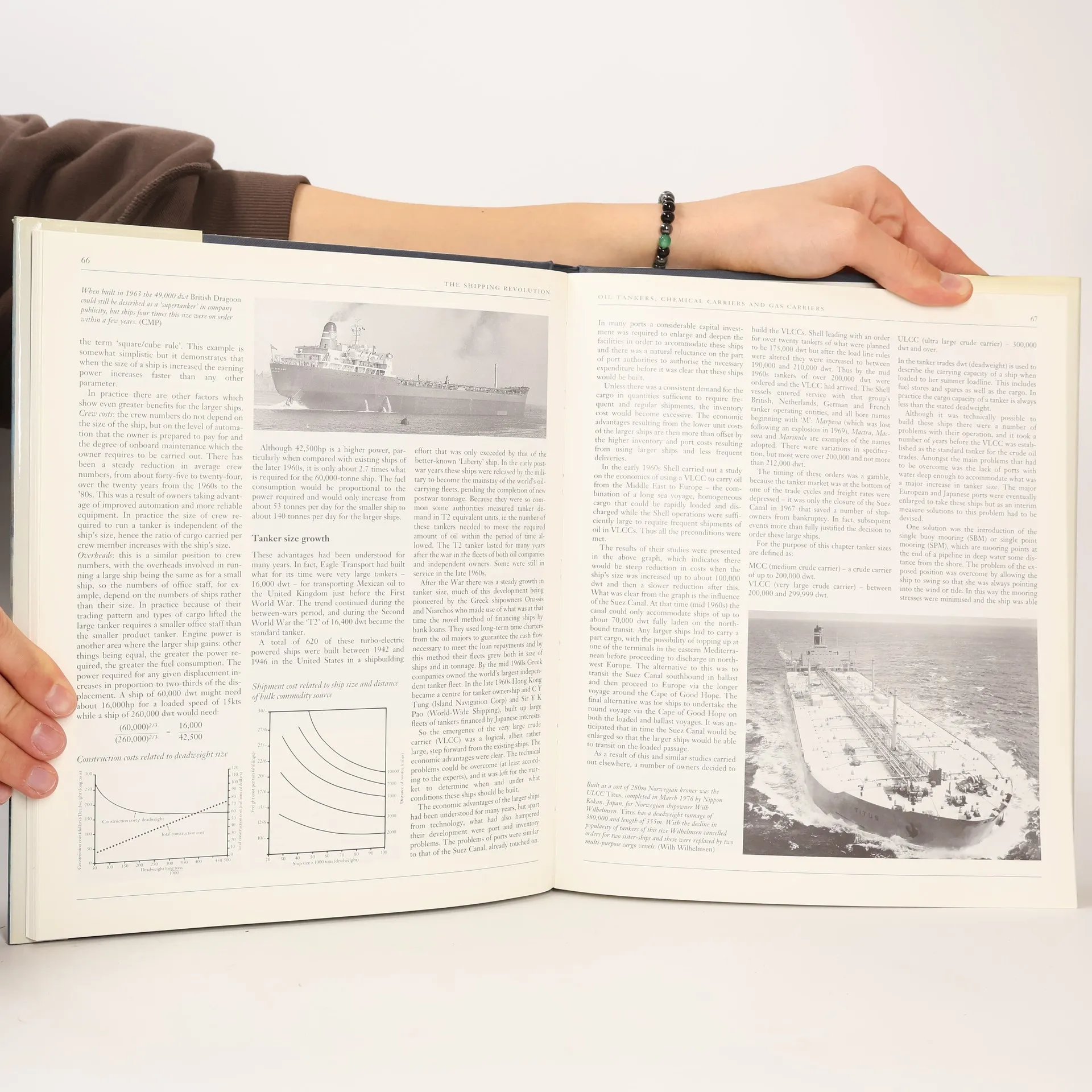
Since the end of the Second World War the pattern of international trade - and the ships in which it is carried has changed dramatically. Competition from air travel gradually displaced the liner, but with increased leisure passenger ships staged a comeback in the form of cruise ships. The burgeoning demand for oil fuel produced the supertanker, while moves to streamline cargo handling led to containerization and other forms of unitized shipment for many general trades. However, entirely new ship types were also developed to carry cargoes as diverse as cars and chemicals, livestock and nuclear waste. The postwar rehabilitation of the world's merchant fleets initially involved traditional ship types, but this volume charts the accelerating pace of change from about 1960 onwards. While primarily describing the rapid advances in maritime technology, it also points to the political, economic and social reasons for these, and looks at likely developments in the future. Lavishly illustrated, this complete and informative volume includes over 175 black-and-white photos, over 30 illustrations, and over 40 tables.
Book purchase
The Shipping Revolution, Alastair Couper, Robert Gardiner
- Language

- Released
- 1999
- Binding
- (Hardcover)
Payment methods
No one has rated yet.
- Title
- The Shipping Revolution
- Subtitle
- The Modern Merchant Ship
- Language
- English
- Authors
- Alastair Couper, Robert Gardiner
- Publisher
- Conway Maritime Press
- Released
- 1999
- Format
- Hardcover
- ISBN10
- 0851775691
- ISBN13
- 9780851775692
- Series
- Tags
- Historical Themes, Technology, Ships
- Description
- Since the end of the Second World War the pattern of international trade - and the ships in which it is carried has changed dramatically. Competition from air travel gradually displaced the liner, but with increased leisure passenger ships staged a comeback in the form of cruise ships. The burgeoning demand for oil fuel produced the supertanker, while moves to streamline cargo handling led to containerization and other forms of unitized shipment for many general trades. However, entirely new ship types were also developed to carry cargoes as diverse as cars and chemicals, livestock and nuclear waste. The postwar rehabilitation of the world's merchant fleets initially involved traditional ship types, but this volume charts the accelerating pace of change from about 1960 onwards. While primarily describing the rapid advances in maritime technology, it also points to the political, economic and social reasons for these, and looks at likely developments in the future. Lavishly illustrated, this complete and informative volume includes over 175 black-and-white photos, over 30 illustrations, and over 40 tables.