

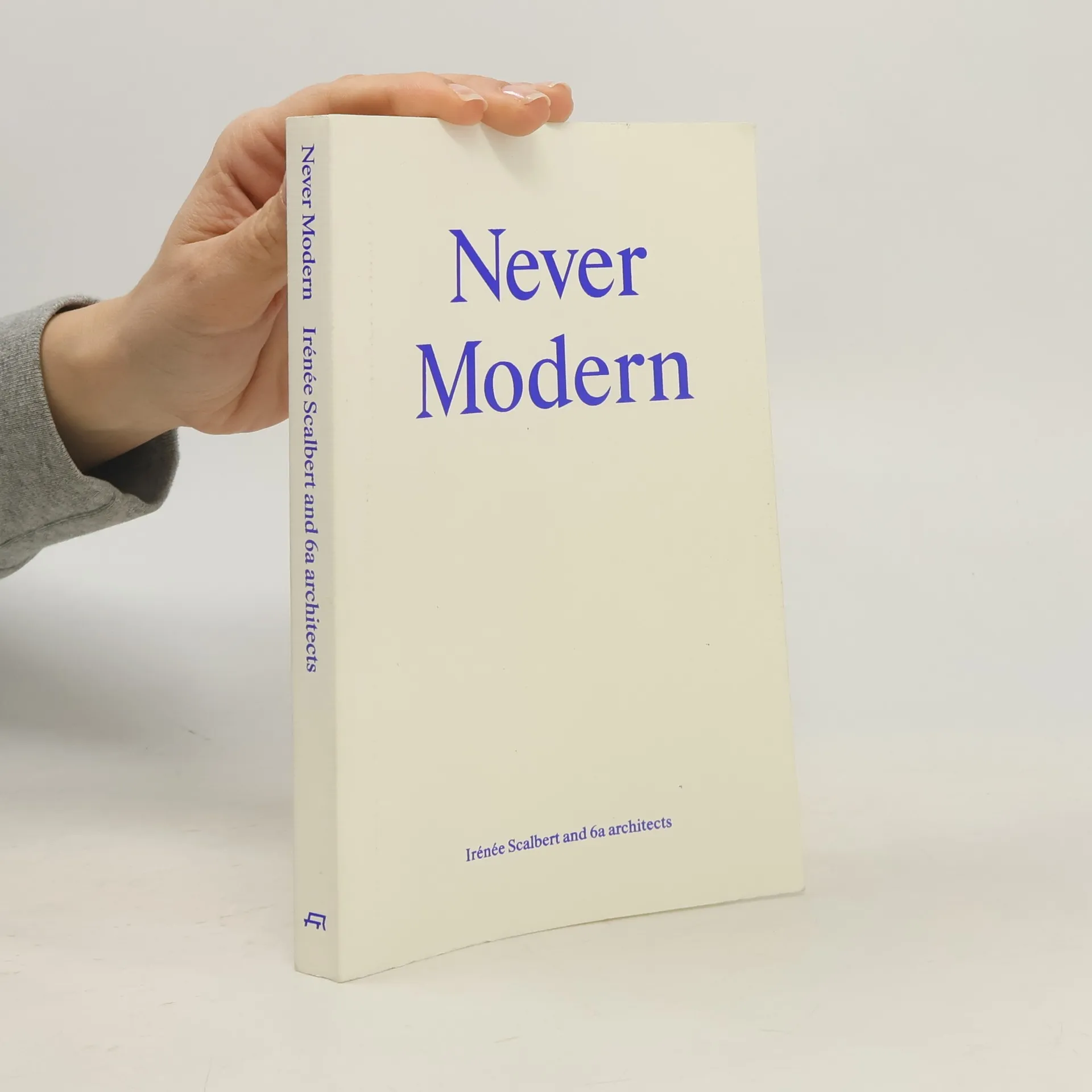
More about the book
In this exceptional book on the London based studio 6a architects, architecture critic Irenee Scalbert looks at the role of narrative, history, appropriation and craft in the work of Tom Emerson and Stephanie Macdonald. The book traces an architectural approach avoiding style, signature, theory and even concept in favour of metis, an ancient form of intelligence combining 'flair, wisdom, forethought, subtlety of mind, deception, resourcefulness, vigilance, opportunism, varied skills, and experience.' Structured around notions of situation, intervention, making, comedy, bricolage, chance and anthropology, the text is mirrored in a visual essay of archive photographs, artworks, film stills and recent projects by the practice.
Book purchase
Never Modern, Tom Emerson, Irénée Scalbert, 6a Architects, Stephanie MacDonald
- Language

- Released
- 2013
- Binding
- (Paperback)
Payment methods
We’re missing your review here.
- Title
- Never Modern
- Language
- English
- Publisher
- Park Books
- Released
- 2013
- Format
- Paperback
- Pages
- 176
- ISBN10
- 3906027244
- ISBN13
- 9783906027241
- Series
- Tags
- Art, Architecture, England, Great Britain, London, Western Europe
- Rating
- 4.05 out of 5
- Description
- In this exceptional book on the London based studio 6a architects, architecture critic Irenee Scalbert looks at the role of narrative, history, appropriation and craft in the work of Tom Emerson and Stephanie Macdonald. The book traces an architectural approach avoiding style, signature, theory and even concept in favour of metis, an ancient form of intelligence combining 'flair, wisdom, forethought, subtlety of mind, deception, resourcefulness, vigilance, opportunism, varied skills, and experience.' Structured around notions of situation, intervention, making, comedy, bricolage, chance and anthropology, the text is mirrored in a visual essay of archive photographs, artworks, film stills and recent projects by the practice.