

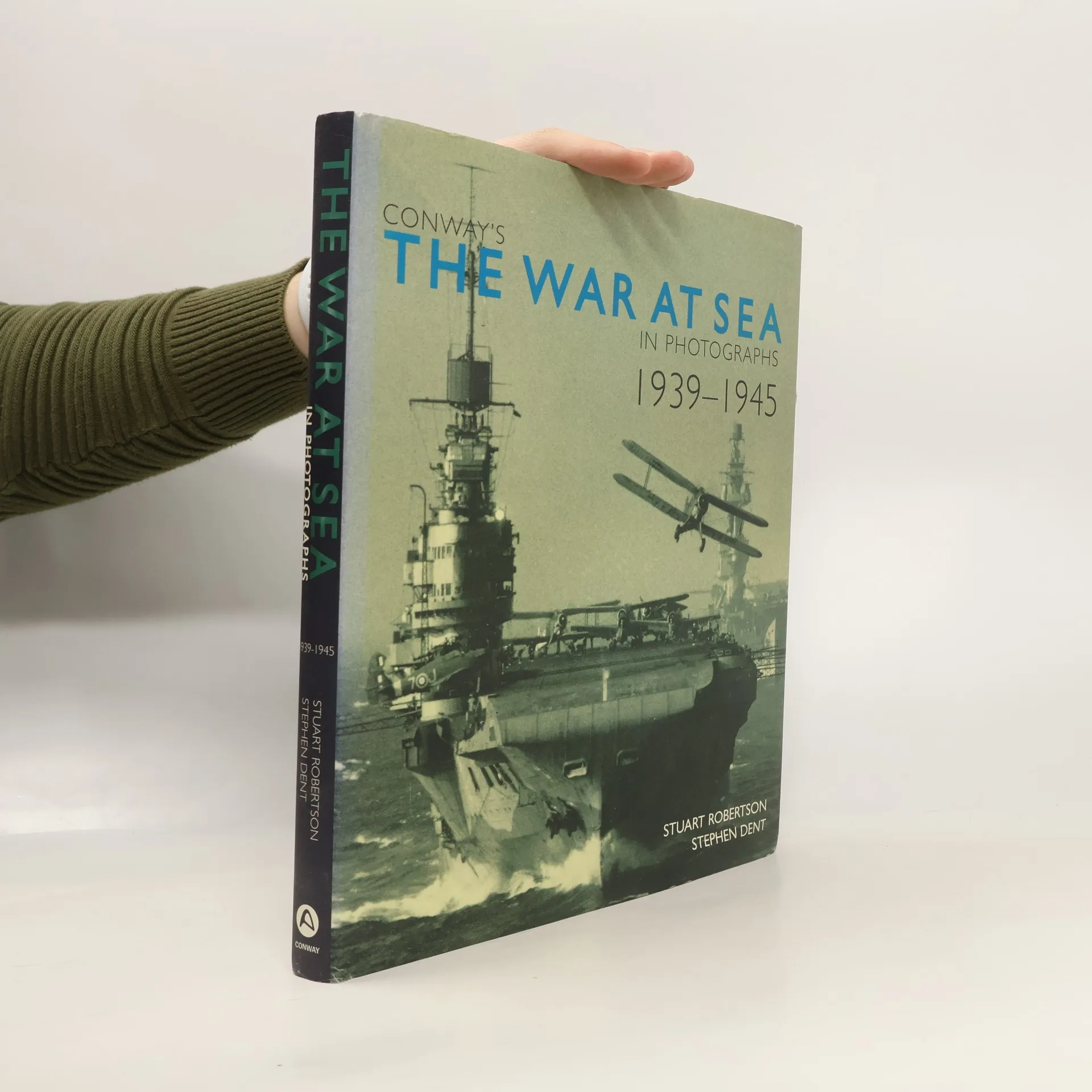
Conway's The War at Sea in Photographs
1939-1945
Authors
Book rating
More about the book
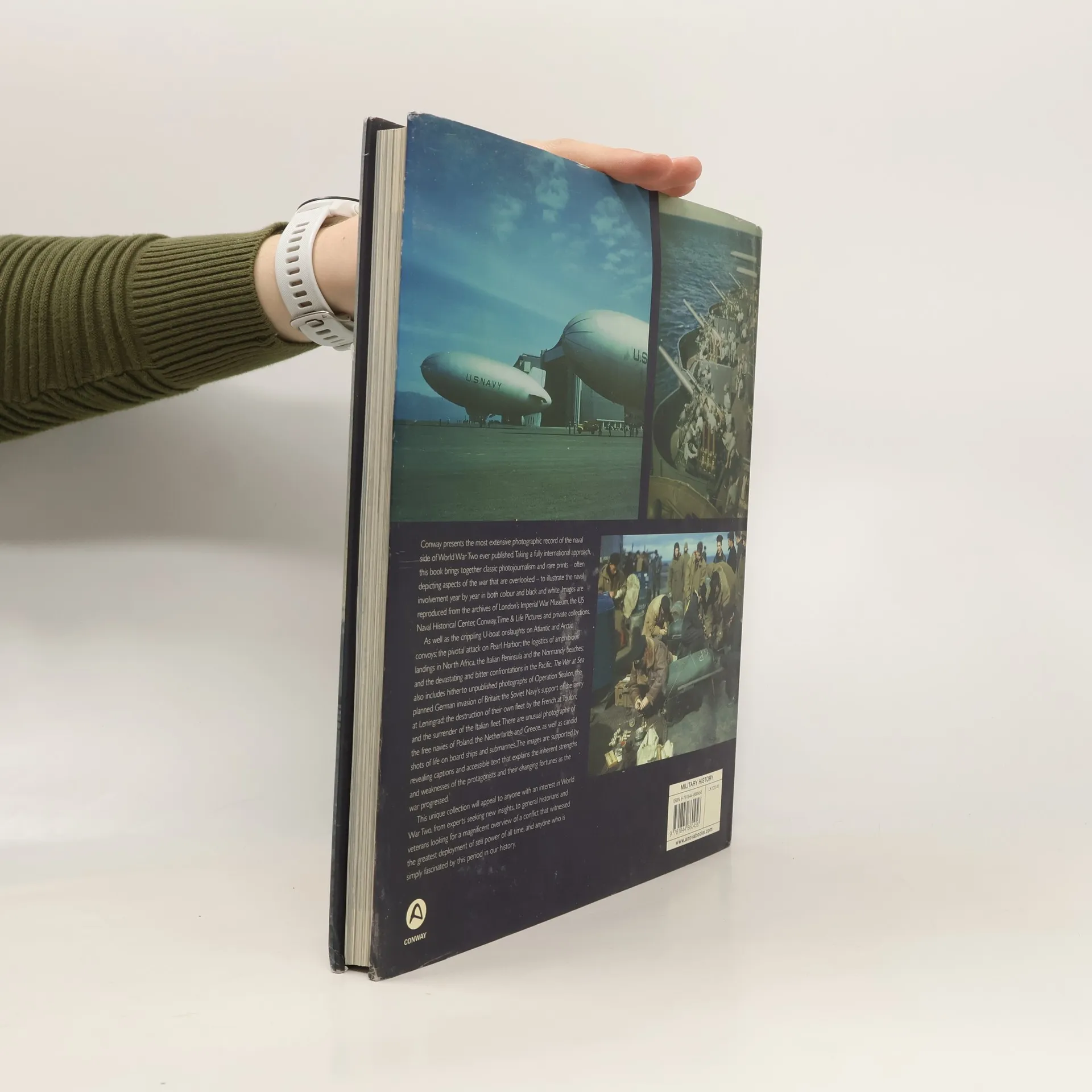
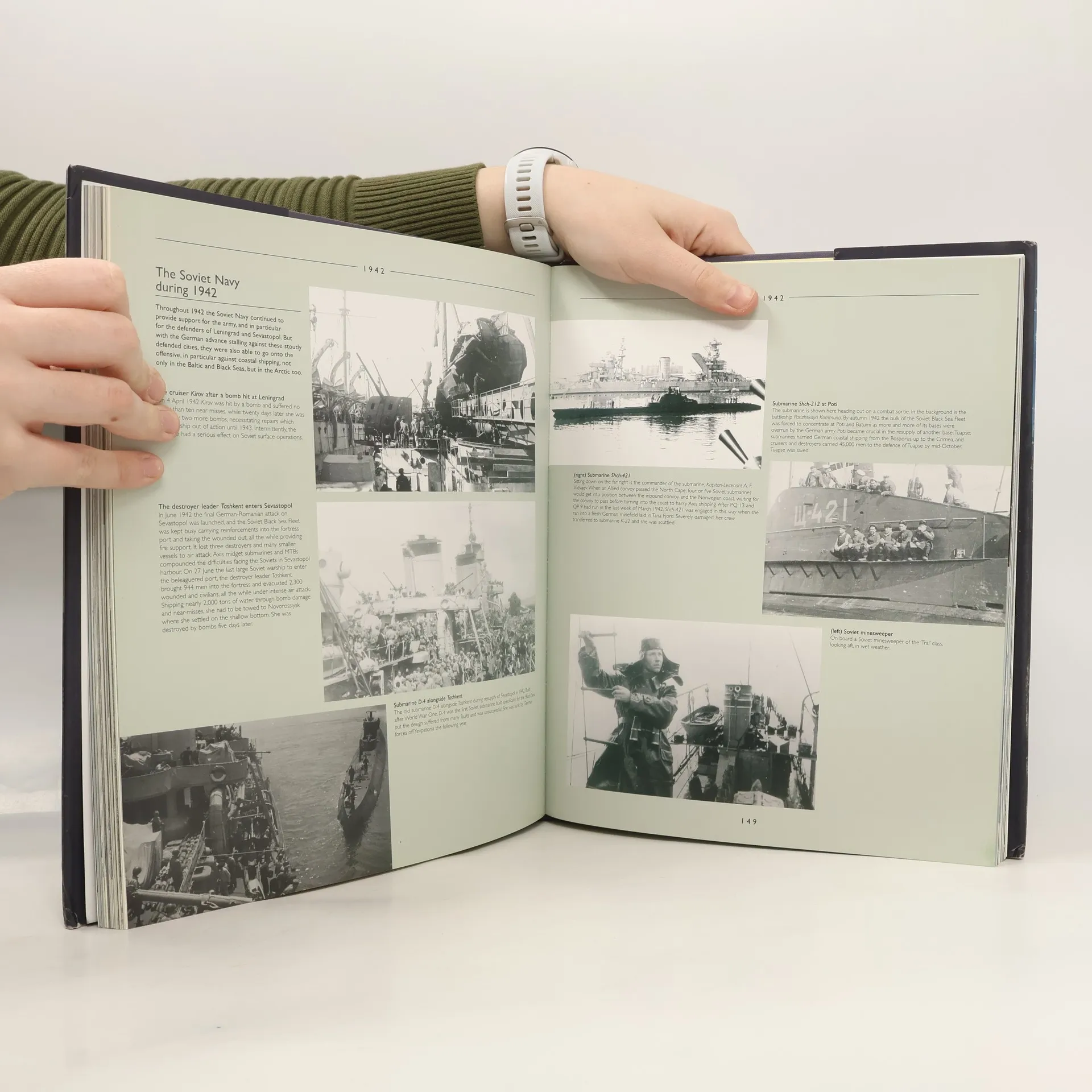
The small, lightweight, 35mm cameras that were available by the time of the Second World War revolutionised war photography. Unencumbered by heavy equipment, including tripods and photographic plates, the photographer could now get much closer to the action and respond instinctively to changing situations, shooting a series of pictures on a single film. Although their smaller format meant that technically the images were usually less sharp and more grainy, this tonal harshness gave the pictures a gritty realism and immediacy. And with the easing of censorship, the photographers were able to publish unflinching images of conflict and the catastrophic consequences of war as never before. From a naval point of view, developments in submarine and aircraft carrier technology completely changed how a war would be fought at sea.
Book purchase
Conway's The War at Sea in Photographs, Stuart Robertson, Stephen Dent
- Language

- Released
- 2007
- Binding
- (Hardcover)
Payment methods
We’re missing your review here.
- Title
- Conway's The War at Sea in Photographs
- Subtitle
- 1939-1945
- Language
- English
- Authors
- Stuart Robertson, Stephen Dent
- Publisher
- Conway
- Released
- 2007
- Format
- Hardcover
- Pages
- 240
- ISBN10
- 1844860450
- ISBN13
- 9781844860456
- Series
- Categories
- Rating
- 4.45 out of 5
- Description
- The small, lightweight, 35mm cameras that were available by the time of the Second World War revolutionised war photography. Unencumbered by heavy equipment, including tripods and photographic plates, the photographer could now get much closer to the action and respond instinctively to changing situations, shooting a series of pictures on a single film. Although their smaller format meant that technically the images were usually less sharp and more grainy, this tonal harshness gave the pictures a gritty realism and immediacy. And with the easing of censorship, the photographers were able to publish unflinching images of conflict and the catastrophic consequences of war as never before. From a naval point of view, developments in submarine and aircraft carrier technology completely changed how a war would be fought at sea.