

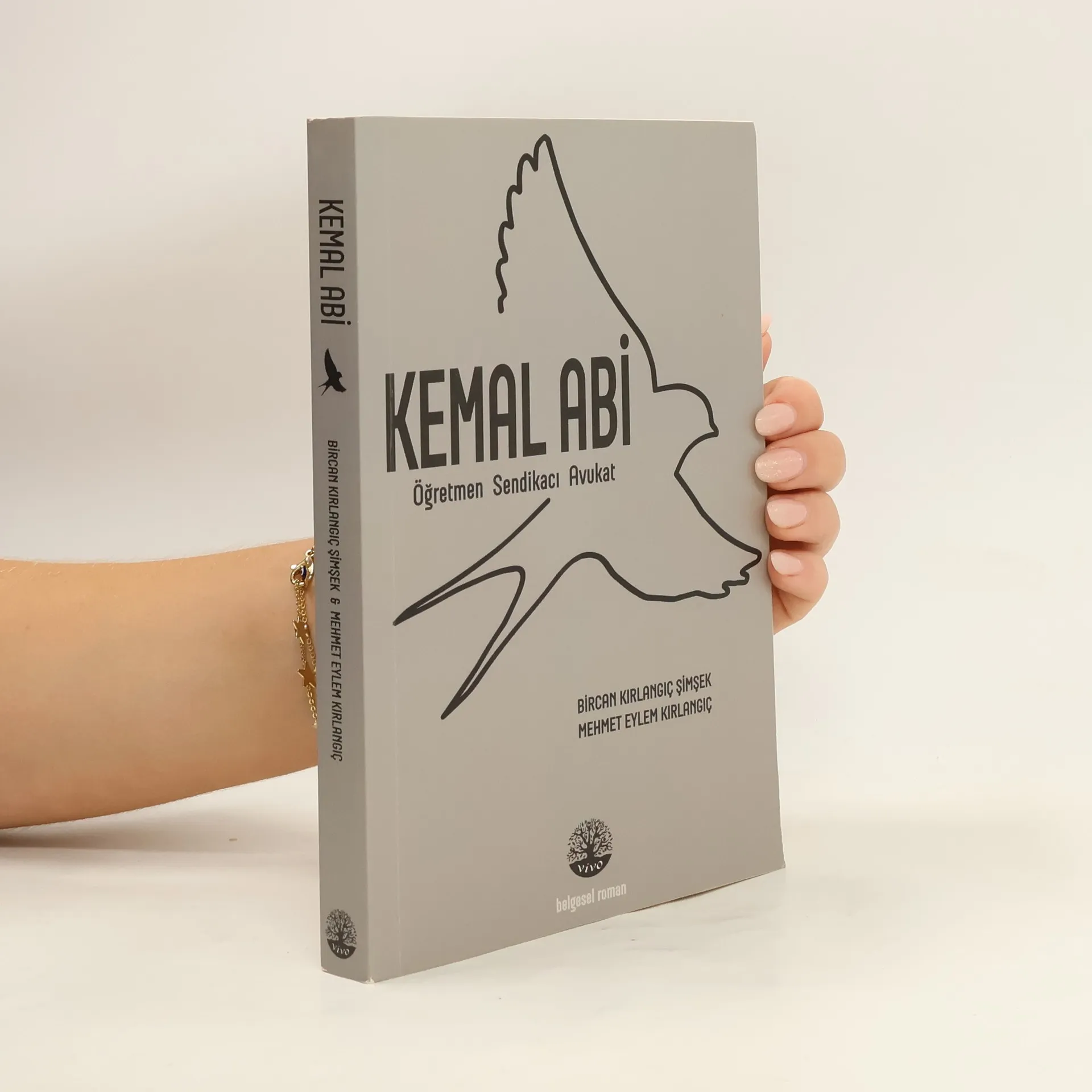
Kemal Abi
Öğretmen sendikacı avukat - Belgesel roman
More about the book
Paperback. 13,50 / 21,00 cm. In Turkish. 304 p. Kemal Kirlangiç's striking biography as a teacher, unionist, lawyer, and author unfolds in this captivating documentary novel. The duality of his life as both a teacher and lawyer naturally piqued my interest, especially given my upbringing in a village where nearly all the men and women aspired to be teachers. Having experienced the tumultuous periods of 12 March and 12 September, I found it impossible to remain indifferent to Kirlangiç's story. I not only read the narrative but also traced his memories. Before the 1980 coup, I was aware of the resistance of Taris workers in Izmir and the uprisings in various neighborhoods. One of the key figures in that resistance had been living in Germany for years and had even written a novel about the events that nearly escalated into a popular uprising in Izmir. I knew that two young men, Hidir Arslan and Ilyas Has, were executed, labeled as the instigators of the unrest. However, learning about Kemal Kirlangiç's quarter-century struggle to locate the grave of Ilyas Has, hidden even from his family by the oppressive state, filled me with shame for Turkish society and deep admiration for Kirlangiç's unwavering perseverance.
Book purchase
Kemal Abi, Mehmet Eylem Kırlangıç, Bircan Kırlangıç Şimşek
- Language

- Released
- 2020
- Binding
- (Paperback)
Payment methods
No one has rated yet.
- Title
- Kemal Abi
- Subtitle
- Öğretmen sendikacı avukat - Belgesel roman
- Language
- Turkish
- Publisher
- Vivo Yayinevi
- Released
- 2020
- Format
- Paperback
- Pages
- 304
- ISBN10
- 6050666318
- ISBN13
- 9786050666311
- Series
- Tags
- Description
- Paperback. 13,50 / 21,00 cm. In Turkish. 304 p. Kemal Kirlangiç's striking biography as a teacher, unionist, lawyer, and author unfolds in this captivating documentary novel. The duality of his life as both a teacher and lawyer naturally piqued my interest, especially given my upbringing in a village where nearly all the men and women aspired to be teachers. Having experienced the tumultuous periods of 12 March and 12 September, I found it impossible to remain indifferent to Kirlangiç's story. I not only read the narrative but also traced his memories. Before the 1980 coup, I was aware of the resistance of Taris workers in Izmir and the uprisings in various neighborhoods. One of the key figures in that resistance had been living in Germany for years and had even written a novel about the events that nearly escalated into a popular uprising in Izmir. I knew that two young men, Hidir Arslan and Ilyas Has, were executed, labeled as the instigators of the unrest. However, learning about Kemal Kirlangiç's quarter-century struggle to locate the grave of Ilyas Has, hidden even from his family by the oppressive state, filled me with shame for Turkish society and deep admiration for Kirlangiç's unwavering perseverance.