

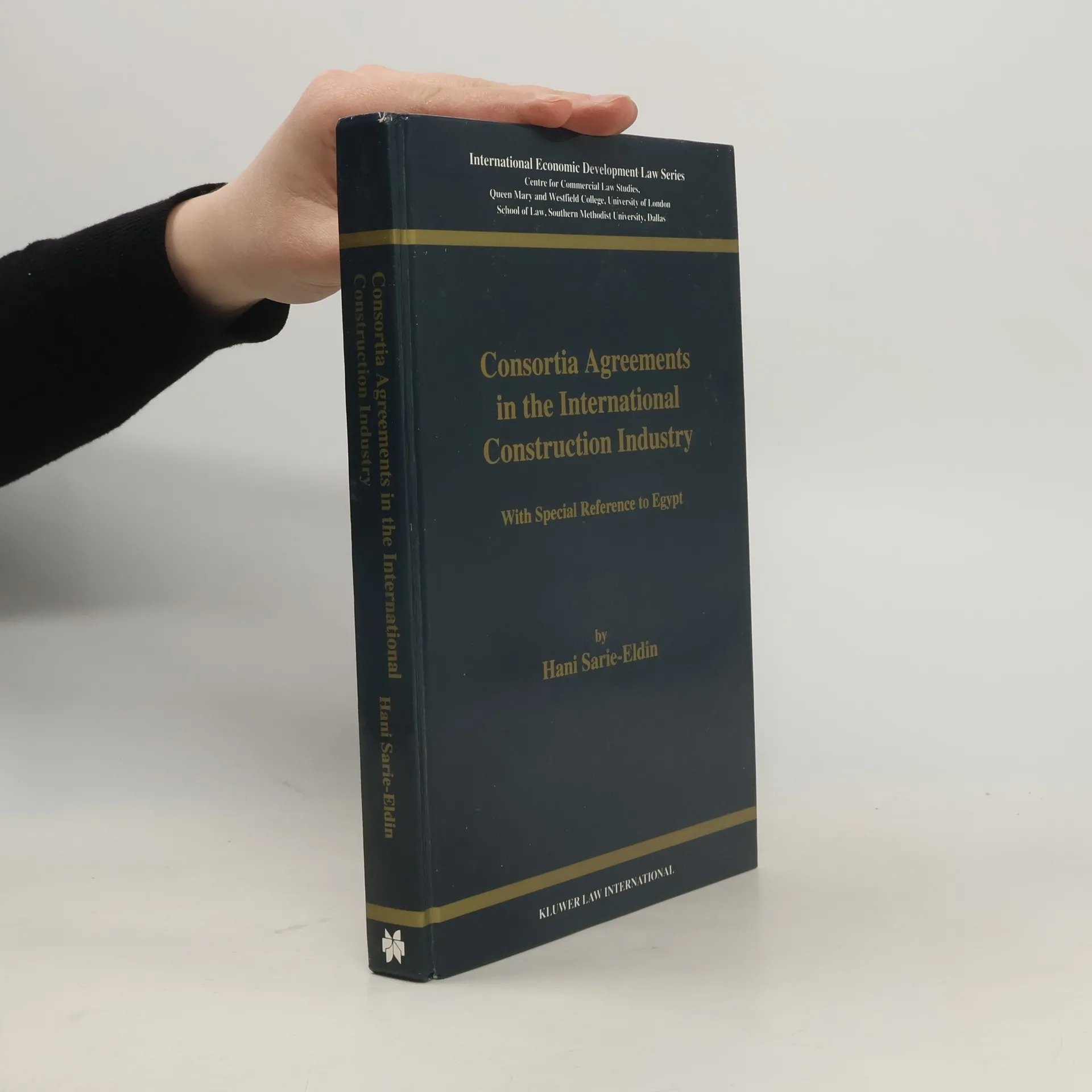

International Economic Development Law Series - 3: Consortia Agreements in the International Construction Industry
With Special Reference to Egypt
Authors
Parameters
- 336 pages
- 12 hours of reading
More about the book
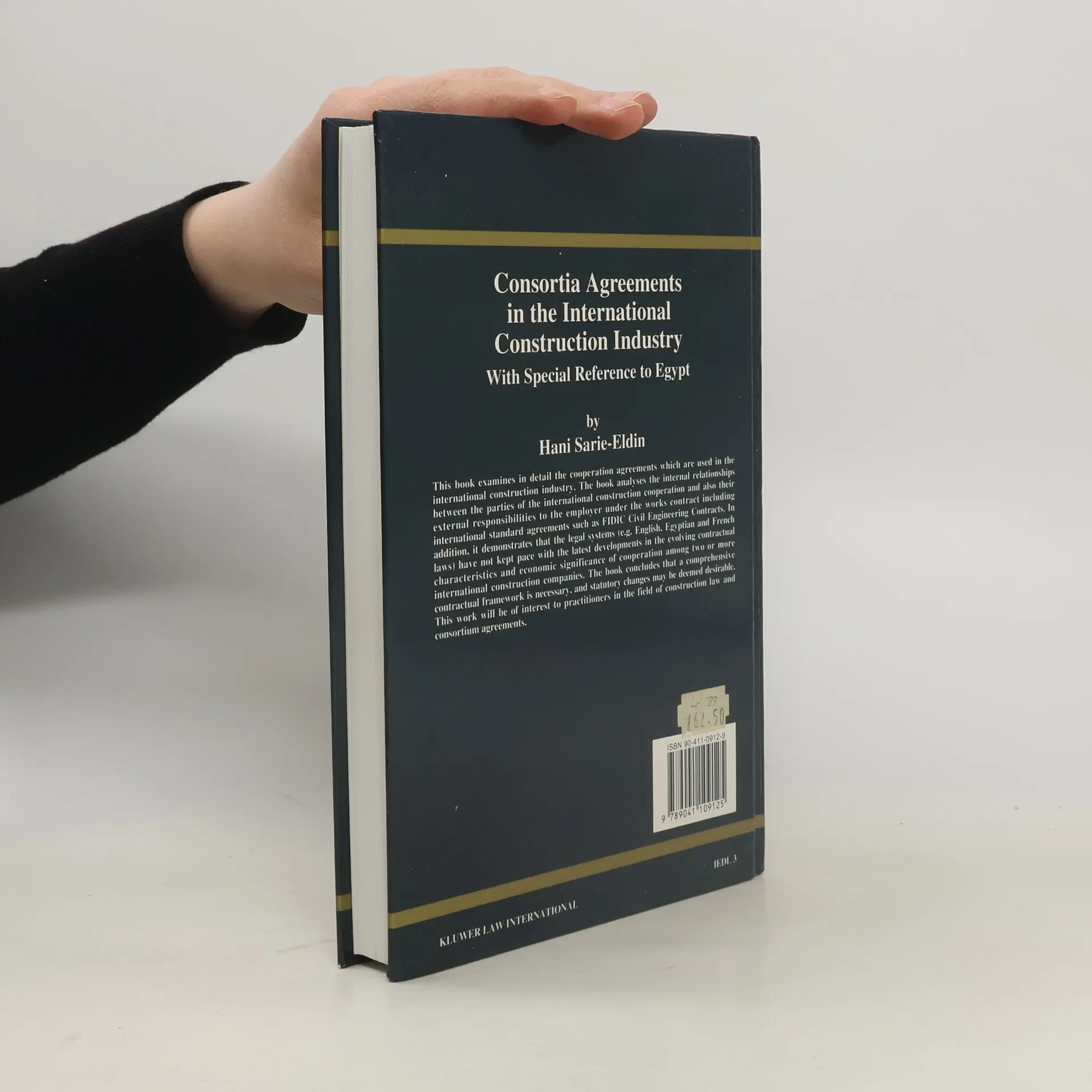
This book analyses the internal relationships between the parties of the international construction cooperation and also their external responsibilities to the employer under the works contract including such international standard agreements as FIDIC Civil Engineering contract. In addition, it demonstrates that the legal systems (e.g. English, Egyptian and French law) have not kept pace with the latest developments in the evolving contractual characteristics and economic significance of cooperation among two or more international construction companies. The book concludes that a comprehensive contractual framework is necessary, and statutory changes may be deemed desirable. This work will be of interest to practitioners in the field of construction law and consortium agreements.
Book purchase
International Economic Development Law Series - 3: Consortia Agreements in the International Construction Industry, Hani Salah Sarie-Eldin
- Language

- Released
- 1996
- Binding
- (Hardcover)
Payment methods
No one has rated yet.
- Title
- International Economic Development Law Series - 3: Consortia Agreements in the International Construction Industry
- Subtitle
- With Special Reference to Egypt
- Language
- English
- Authors
- Hani Salah Sarie-Eldin
- Publisher
- Springer
- Released
- 1996
- Format
- Hardcover
- Pages
- 336
- ISBN10
- 9041109129
- ISBN13
- 9789041109125
- Series
- Categories
- Description
- This book analyses the internal relationships between the parties of the international construction cooperation and also their external responsibilities to the employer under the works contract including such international standard agreements as FIDIC Civil Engineering contract. In addition, it demonstrates that the legal systems (e.g. English, Egyptian and French law) have not kept pace with the latest developments in the evolving contractual characteristics and economic significance of cooperation among two or more international construction companies. The book concludes that a comprehensive contractual framework is necessary, and statutory changes may be deemed desirable. This work will be of interest to practitioners in the field of construction law and consortium agreements.