

Parameters
- 320 pages
- 12 hours of reading
More about the book
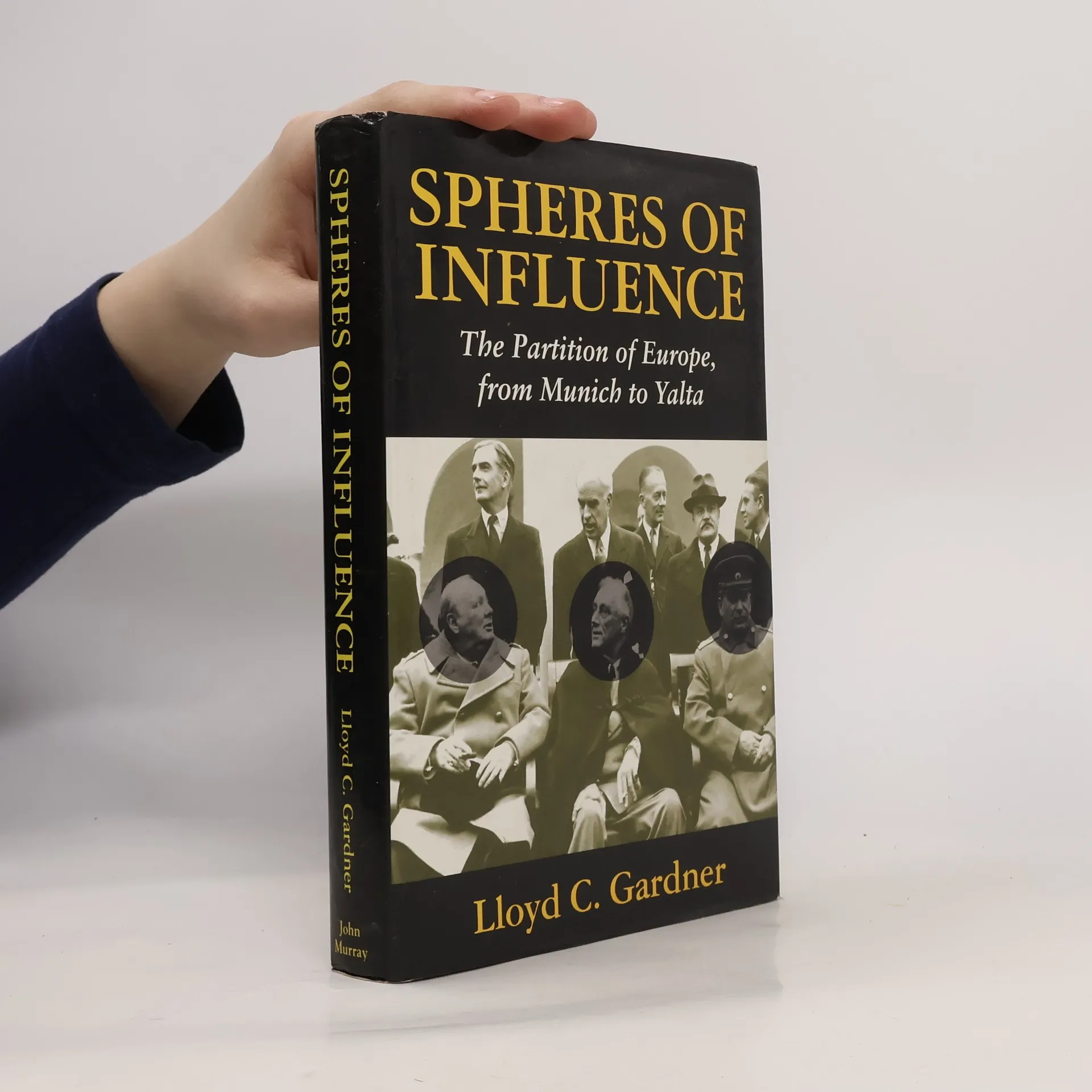
The war within the war was the struggle among Roosevelt, Churchill, and Stalin for the shape of the world that would follow World War II. That delicate diplomacy is spelled out in Lloyd Gardner's brilliant reinterpretation of the negotiations that divided Europe and laid the foundations of the cold war. Gardner begins his story not in 1941 but with the British attempt to appease Hitler at Munich in 1938. Here, the author argues, were the roots of the territorial agreements that culminated at Yalta—the "spheres of influence" which the Americans sought to avoid as a curse on the possibilities of a freer and more liberal world economy. Using the most recently opened sources, including those from Soviet archives, Gardner captures the atmosphere of these momentous events in glimpses of the major personalities and a persuasive analysis of the course of events. He shows how Roosevelt tried to avoid the partition of Europe that Churchill and Stalin wanted, but ultimately settled for it in the hope of keeping the Allies together to make a more lasting peace. Playing for time, FDR ran out of it. The result was the cold war—which Gardner concludes may have been preferable to World War III.
Book purchase
Spheres of Influence, Lloyd C. Gardner
- Language

- Released
- 1993
- Binding
- (Hardcover)
Payment methods
No one has rated yet.
- Title
- Spheres of Influence
- Subtitle
- The Partition of Europe, from Munich to Yalta
- Language
- English
- Authors
- Lloyd C. Gardner
- Publisher
- JOHN MURRAY PUBLISHERS LTD
- Released
- 1993
- Format
- Hardcover
- Pages
- 320
- ISBN10
- 0719553113
- ISBN13
- 9780719553110
- Series
- Categories
- Tags
- Historical Themes, World War II, Europe, History of Europe, Political Theories, International Relations, Diplomacy
- Description
- The war within the war was the struggle among Roosevelt, Churchill, and Stalin for the shape of the world that would follow World War II. That delicate diplomacy is spelled out in Lloyd Gardner's brilliant reinterpretation of the negotiations that divided Europe and laid the foundations of the cold war. Gardner begins his story not in 1941 but with the British attempt to appease Hitler at Munich in 1938. Here, the author argues, were the roots of the territorial agreements that culminated at Yalta—the "spheres of influence" which the Americans sought to avoid as a curse on the possibilities of a freer and more liberal world economy. Using the most recently opened sources, including those from Soviet archives, Gardner captures the atmosphere of these momentous events in glimpses of the major personalities and a persuasive analysis of the course of events. He shows how Roosevelt tried to avoid the partition of Europe that Churchill and Stalin wanted, but ultimately settled for it in the hope of keeping the Allies together to make a more lasting peace. Playing for time, FDR ran out of it. The result was the cold war—which Gardner concludes may have been preferable to World War III.