

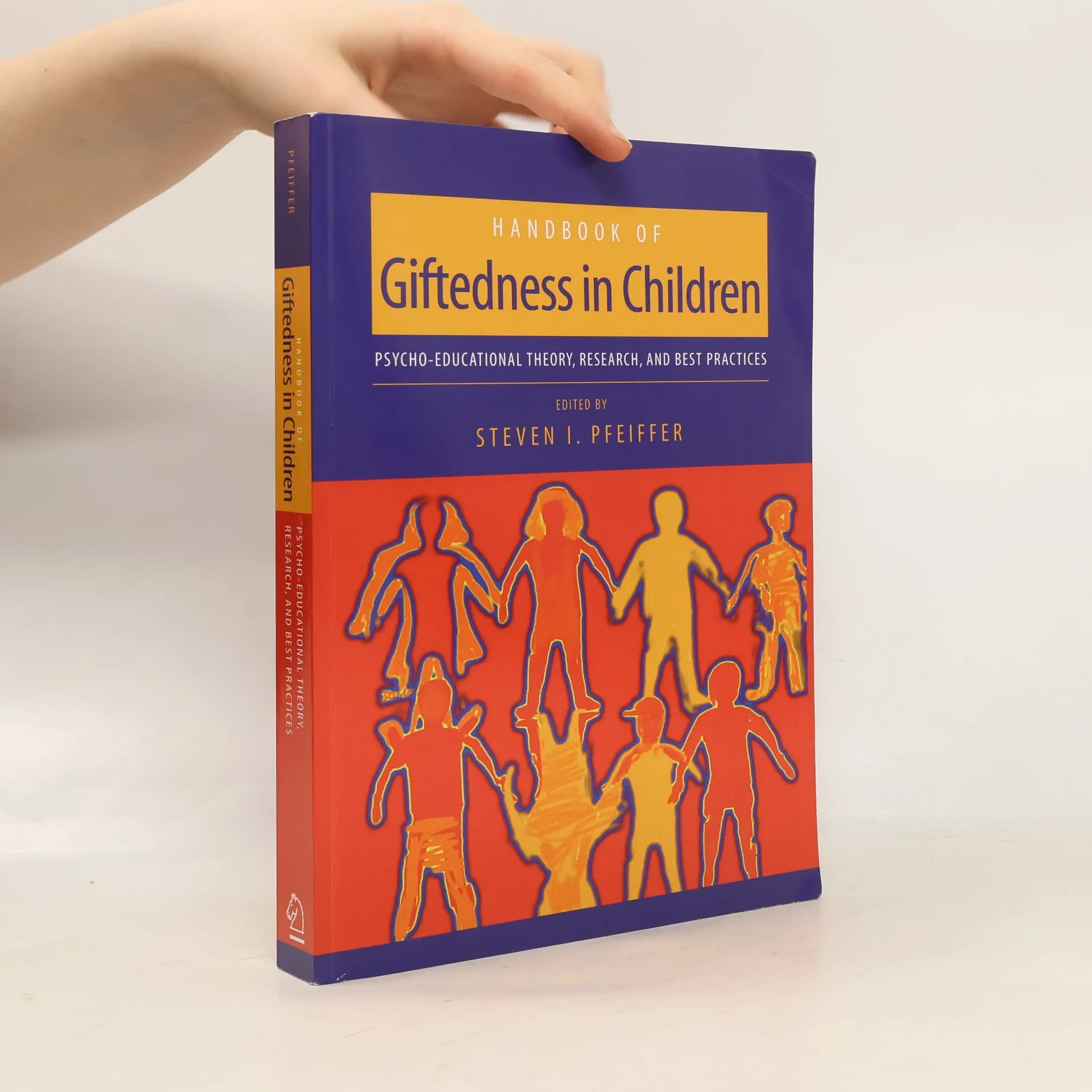


Handbook of Giftedness in Children
Psychoeducational Theory, Research, and Best Practices
Authors
Book rating
Parameters
- 420 pages
- 15 hours of reading
More about the book
Most leaders in American society recognize gifted children as valuable resources. Following the Soviet Union's Sputnik launch in the 1960s, the U.S. prioritized identifying and nurturing intellectually gifted youth. However, within a decade, this group became an overlooked special-needs population due to various socio-cultural, political, and economic factors. American psychology has also largely neglected the unmet needs of these promising individuals, who represent approximately 5% to 20% of school-age children, depending on definitions and diagnostic criteria. This gifted population is significant, both in numbers and potential impact on the nation's future. A survey of international experts published in Professional Psychology: Research & Practice highlighted crucial areas where professional psychology can effectively serve the gifted. Key implications include leading the screening and identification of gifted children, consulting on talent development in schools, and providing counseling services for gifted individuals and their families. The proposed volume aims to equip psychologists, graduate students, and allied professionals with a definitive resource for addressing these practice implications. It will serve as a scholarly guide for practitioners in psychology and related fields, including school psychology, clinical child psychology, and social work. Each chapter will present relevant theory and empirical research,
Book purchase
Handbook of Giftedness in Children, Steven I Pfeiffer
- Language

- Released
- 2009
- Binding
- (Paperback)
Payment methods
We’re missing your review here.
- Title
- Handbook of Giftedness in Children
- Subtitle
- Psychoeducational Theory, Research, and Best Practices
- Language
- English
- Authors
- Steven I Pfeiffer
- Publisher
- Springer
- Released
- 2009
- Format
- Paperback
- Pages
- 420
- ISBN10
- 1441945016
- ISBN13
- 9781441945013
- Series
- Tags
- Psychological Topics, References & Manuals, USA, Education & School System, Professional Literature, Development, Educational Psychology, Developmental Psychology, Clinical Psychology
- Rating
- 3 out of 5
- Description
- Most leaders in American society recognize gifted children as valuable resources. Following the Soviet Union's Sputnik launch in the 1960s, the U.S. prioritized identifying and nurturing intellectually gifted youth. However, within a decade, this group became an overlooked special-needs population due to various socio-cultural, political, and economic factors. American psychology has also largely neglected the unmet needs of these promising individuals, who represent approximately 5% to 20% of school-age children, depending on definitions and diagnostic criteria. This gifted population is significant, both in numbers and potential impact on the nation's future. A survey of international experts published in Professional Psychology: Research & Practice highlighted crucial areas where professional psychology can effectively serve the gifted. Key implications include leading the screening and identification of gifted children, consulting on talent development in schools, and providing counseling services for gifted individuals and their families. The proposed volume aims to equip psychologists, graduate students, and allied professionals with a definitive resource for addressing these practice implications. It will serve as a scholarly guide for practitioners in psychology and related fields, including school psychology, clinical child psychology, and social work. Each chapter will present relevant theory and empirical research,